Why more radiologists are reconsidering practice structure
Radiologists are making career decisions in a different environment than they were a few years ago. Flexibility matters more. Practice structure matters more too. Many still want meaningful casework, strong professional standards, and a team they trust, but they may also want more control over schedule, location, overnight responsibilities, or the balance between on-site and remote work.
That shift is one reason more radiologists are looking closely at full-service teleradiology groups.
Flexibility is now part of the value proposition
The American College of Radiology’s 2026 workforce update described flexibility and hybrid work as a meaningful factor for healthcare professionals and pointed to a radiology shortage that is likely to remain relatively static without intervention. The same report noted rising attrition and higher attrition in practices serving rural sites.
In practical terms, that leaves many facilities needing dependable coverage and many radiologists looking for practice models that feel sustainable over time. A full-service group can meet both needs when it is built with intention.
Remote work is only part of the picture
Many radiologists are drawn to the flexibility of remote work, while others value a model that blends remote and on-site coverage without losing clinical connection. Career preferences also vary by workload and stage of life, whether that means overnight coverage, daytime reads, subspecialty interpretation, or a more balanced schedule.
A broad practice model creates room for those preferences while still serving hospitals, imaging centers, and physician groups that need dependable support.
Modality mix and workflow still matter
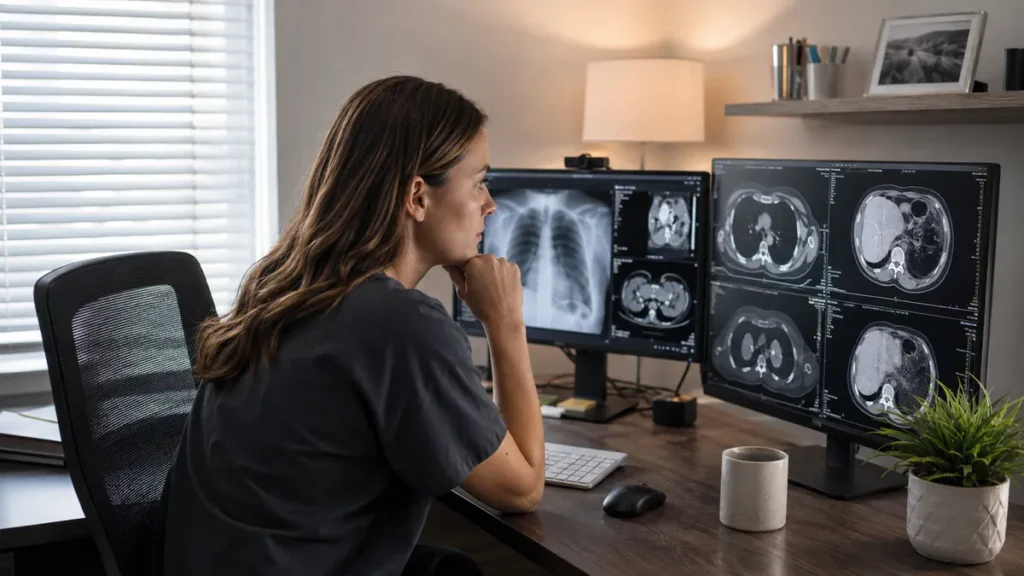
Facilities are not just asking for X-ray and ultrasound reads. Demand for advanced imaging continues to rise, and that changes what a radiology group needs to offer. Vizient’s imaging outlook projected sustained growth in advanced imaging and emphasized how CT, PET, and other modalities are shaping imaging strategy across care settings.
For radiologists, that means partnership opportunities are increasingly tied to groups that can support a wider range of studies and case types. It also means workflow matters. Physicians do not want fragmented systems, poor communication, or tools that slow them down. They want a professional environment where urgent findings are handled appropriately and support tools improve prioritization rather than adding friction.
Why full-service groups stand out
The FDA continues to expand its list of AI-enabled medical devices, with radiology prominently represented. Still, most radiologists are not looking for hype. They are looking for support that fits the work. If AI-assisted tools are part of the model, they should make the day more manageable and fit within established reading workflow.
That is part of the appeal of a full-service teleradiology group. The conversation is not just about remote reads. Radiologists want to know whether there is dependable case volume, meaningful subspecialty support, thoughtfully structured overnight work, and real opportunities across both on-site and remote coverage.
A stronger partnership model for the long term
The American Hospital Association has also pointed to instability in some rural radiology arrangements, including retirements, consolidation, and abrupt contract changes, while encouraging hospitals to integrate radiology partners into the care team. That matters to radiologists as well. Groups that build deeper, more collaborative partnerships with client facilities are often more attractive to physicians who want their work to feel connected and valued.
The strongest radiology partnerships today offer more than convenience. They offer flexibility with structure, remote work with support, and coverage models that still feel like real practice.
FAQs
Why are more radiologists interested in hybrid or remote coverage models? Many are looking for better schedule flexibility, sustainable workload, and practice environments that support long-term career goals.
What makes a full-service teleradiology group appealing to radiologists? A broader range of modalities, flexible coverage options, professional support, and relationships with hospitals and imaging centers can make the role more stable and rewarding.
Do radiologists still value on-site opportunities? Yes. Some radiologists want a mix of remote and on-site work, especially when it creates stronger clinical connection and more variety in practice.
Partner with Vesta
For radiologists exploring what comes next, partnering with Vesta Teleradiology offers the opportunity to join a group that values flexibility, professional support, and high-quality care. Whether the goal is remote work, on-site coverage, or a combination of both, Vesta provides a practice model designed to support radiologists and the facilities they serve.