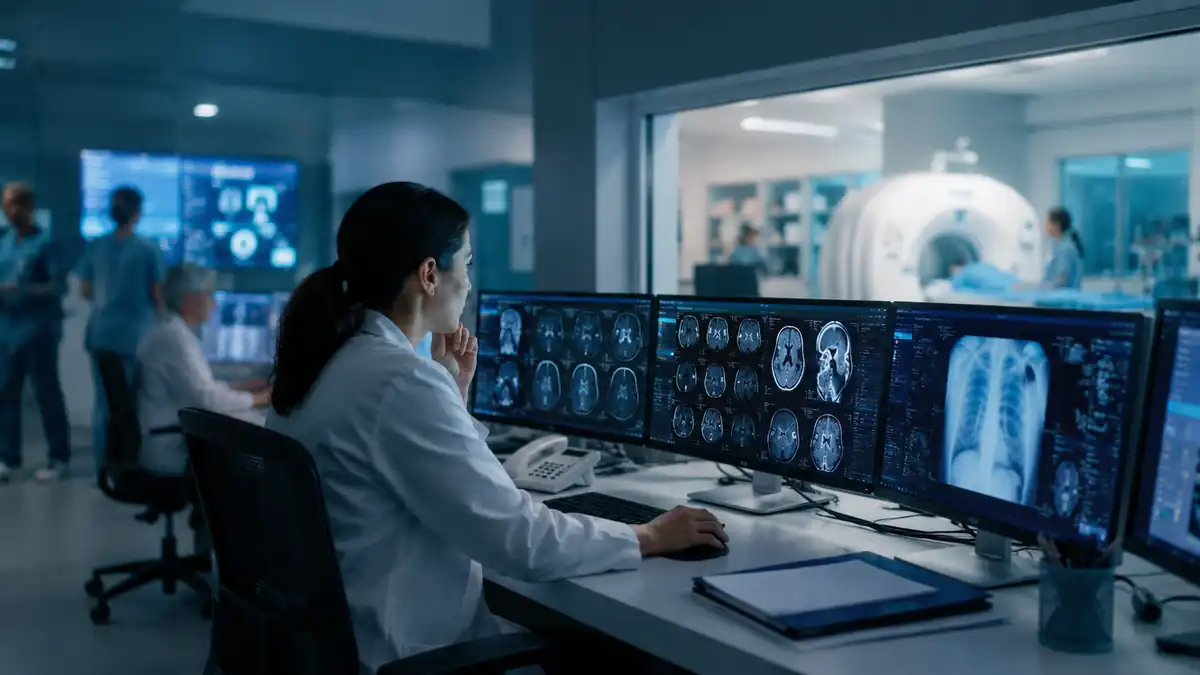
What Hospitals Risk When Subspecialty Radiology Reads Are Not Available After Hours

After-hours radiology coverage is about more than getting a study read overnight. For many hospitals, the bigger challenge is making sure the right expertise is available when a complex case comes in.

The American College of Radiology notes that teleradiology has become an important part of care delivery, especially where access to radiology expertise is limited. The ACR’s teleradiology guidance supports the value of expanding access to radiology expertise across care settings. When subspecialty radiology reads are not available after hours, hospitals can face workflow, quality, and care coordination risks that extend beyond the radiology department.

Why after-hours subspecialty access matters

Not every imaging study carries the same level of complexity. A routine case may be manageable with general coverage, but some exams benefit from deeper expertise in areas such as neuroradiology, musculoskeletal imaging, body imaging, or emergency radiology.

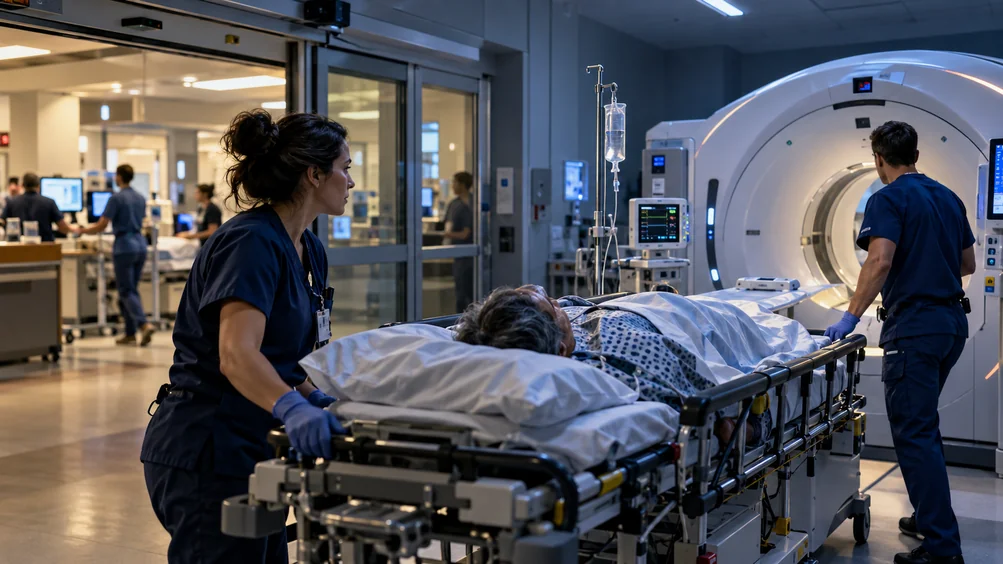
That matters at night, on weekends, and during holidays because urgent clinical decisions still need to be made. Hospitals may be managing possible stroke, trauma, subtle fractures, postoperative complications, or complex abdominal findings long after regular business hours. When the available after-hours read lacks subspecialty depth, the hospital may still get an interpretation, but it may lose confidence, speed, or both.
What hospitals risk without after-hours subspecialty reads

Slower decision-making for complex cases

When clinicians are waiting on a more definitive interpretation, treatment decisions can slow down. That can affect emergency department throughput, transfers, admissions, and follow-up planning.

Greater dependence on callbacks or next-day review

If a complex study needs another look in the morning, the overnight read may function more like a temporary bridge than a complete answer. That can create inefficiency for both the care team and the radiology department.

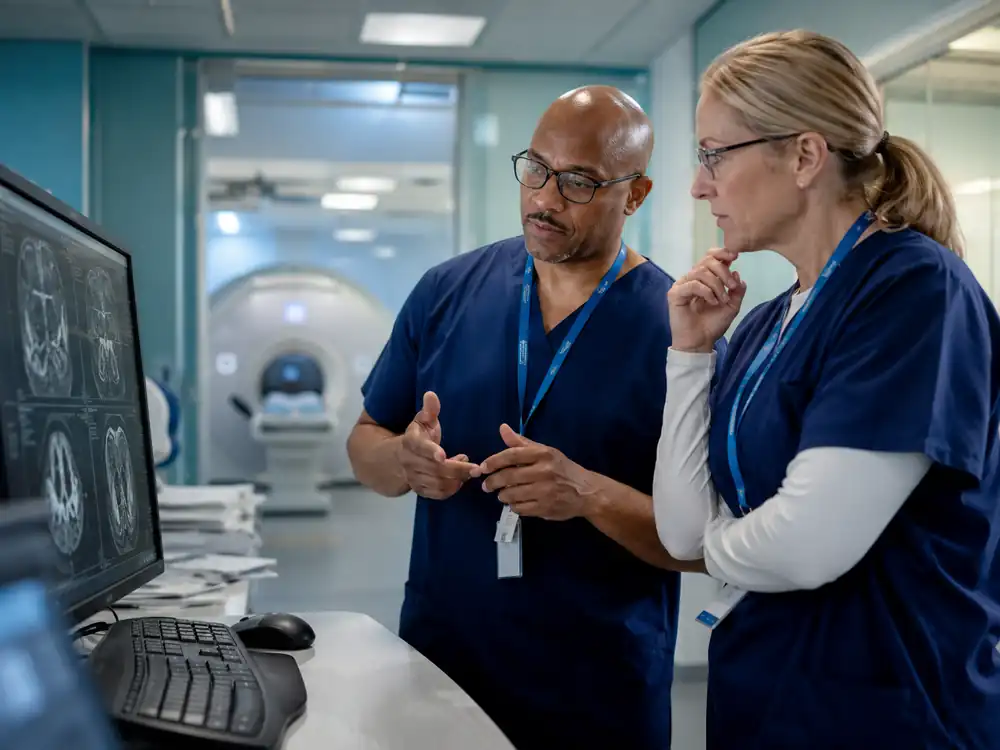
a radiology reviews head x-rayMore strain on internal radiologists

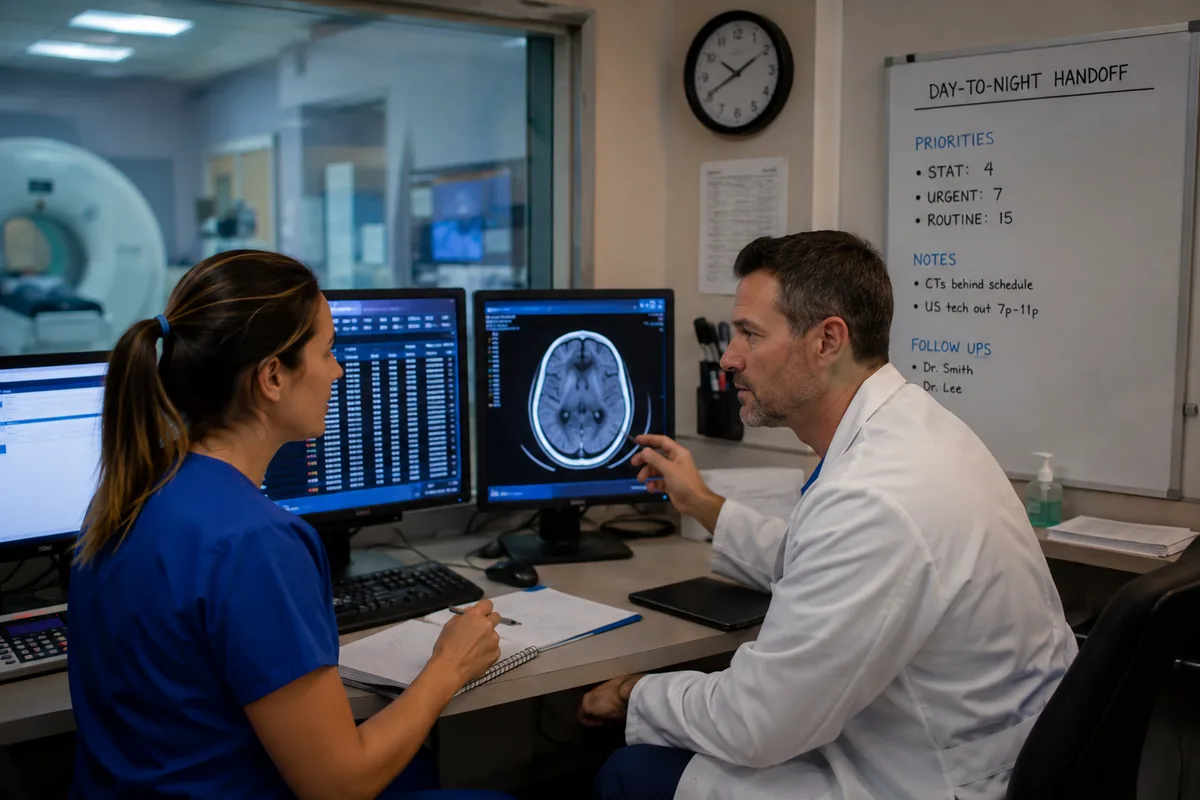
Without dependable subspecialty support after hours, hospitals may rely heavily on internal radiologists to take more call, review edge cases, or resolve uncertainty the next day. Over time, that can add pressure to staffing and scheduling.

Reduced confidence in high-acuity moments

Hospitals want consistency when cases are urgent. The Joint Commission’s hospital safety framework emphasizes timely reporting of critical results of tests and diagnostic procedures, including defining who reports them and how quickly they must be communicated. If expertise is limited after hours, confidence in that process can weaken at the exact time it matters most.

The operational impact goes beyond radiology

A gap in after-hours subspecialty access does not stay isolated in imaging. It can affect:

  • emergency department flow
  • inpatient care coordination
  • communication between clinicians
  • overnight treatment planning
  • next-day workload for radiology teams

In other words, this is not only a radiologist staffing issue. It is a hospital operations issue.

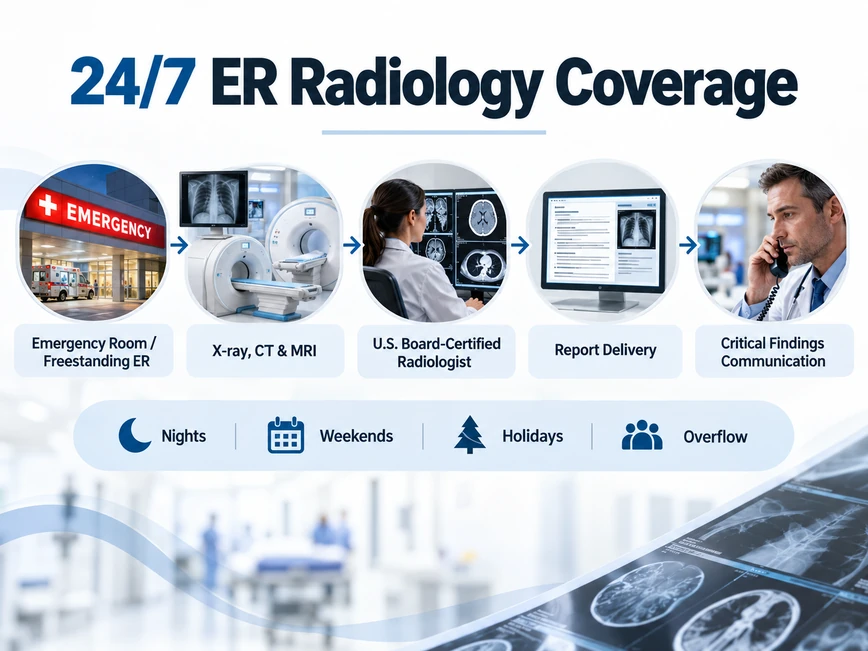
That is one reason many facilities look for a teleradiology partner that can provide after-hours coverage backed by subspecialty expertise, not just general availability.

How teleradiology helps reduce the risk

A strong teleradiology model helps hospitals maintain access to the right expertise when internal coverage is limited. This can support:

  • more confident overnight interpretations
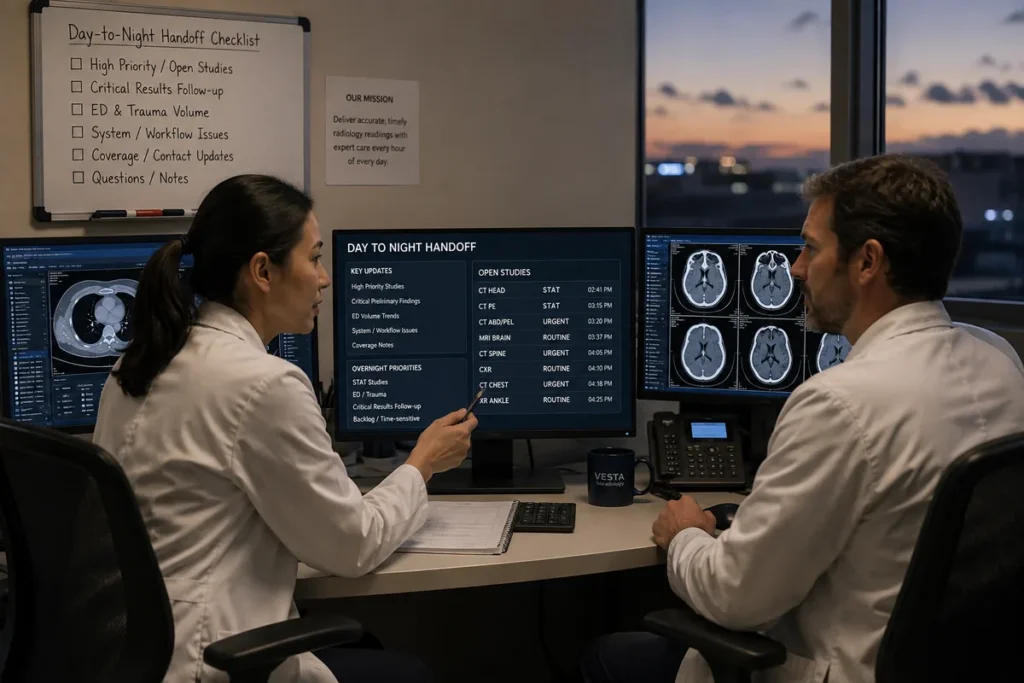
  • stronger continuity between after-hours and daytime workflow
  • less pressure on internal teams
  • better support for complex imaging cases
  • more reliable communication on urgent findings


For hospitals that need overnight support, the goal is not simply to keep reads moving. It is to keep the quality and level of support aligned with the clinical demands of the case.

What to look for in an after-hours radiology partner

Are subspecialty reads available after hours?

Not every provider offers the same depth of expertise overnight.

Are radiologists U.S. board-certified?

Credentials and hospital readiness matter.

Is critical-results communication clearly defined?

Hospitals need dependable processes, especially overnight.

Does the provider fit into the existing workflow?

Smooth implementation matters if the service is going to support operations rather than complicate them.

FAQ

Why are subspecialty radiology reads important after hours? Some imaging studies are more complex and benefit from expertise in a specific area of radiology. After hours, that expertise can help support faster and more confident clinical decisions.

What can happen if a hospital only has general overnight coverage?
The hospital may still receive a read, but complex cases may require additional review, create uncertainty, or slow treatment and workflow decisions.

Does this mainly affect emergency departments?

No. It can also affect inpatient care, overnight coordination, next-day radiology workload, and broader hospital operations.

How does teleradiology help with subspecialty gaps?

Teleradiology can give hospitals access to subspecialty-trained radiologists after hours, helping extend expertise beyond what is available on site overnight.

Strengthen after-hours coverage with the right expertise

When subspecialty radiology reads are not available after hours, hospitals risk slower decisions, more workflow friction, and added strain on internal teams. Vesta helps hospitals strengthen after-hours imaging support with 24/7 nationwide teleradiology, U.S. board-certified radiologists, and subspecialty reads designed to support real hospital workflows. If your facility needs a more dependable radiology partner for nights, weekends, holidays, or overflow volume, contact Vesta to learn how we can help.

No. It can also affect inpatient care, overnight coordination, next-day radiology workload, and broader hospital operations.

How does teleradiology help with subspecialty gaps?
Teleradiology can give hospitals access to subspecialty-trained radiologists after hours, helping extend expertise beyond what is available on site overnight.

Strengthen after-hours coverage with the right expertise

When subspecialty radiology reads are not available after hours, hospitals risk slower decisions, more workflow friction, and added strain on internal teams. Vesta helps hospitals strengthen after-hours imaging support with 24/7 nationwide teleradiology, U.S. board-certified radiologists, and subspecialty reads designed to support real hospital workflows. If your facility needs a more dependable radiology partner for nights, weekends, holidays, or overflow volume, contact Vesta to learn how we can help.

24/7 Teleradiology Coverage: What Hospitals Should Look for in a Radiology Partner

Hospitals need imaging support at all hours, not just during the day. Emergency departments, inpatient units, and urgent care settings all depend on timely radiology interpretation to keep care moving. That is why choosing a 24/7 teleradiology partner is about more than covering overnight shifts. It is about finding a team that can support patient care, reduce delays, and work smoothly within hospital operations.

When evaluating providers, hospitals should look for a partner that brings clinical quality, consistent communication, and dependable operational support. The American College of Radiology emphasizes that safe and effective radiology depends on appropriate training, skills, and techniques. The Joint Commission also highlights the value of structured telehealth standards that support quality, consistency, documentation, and credentialing.

Coverage That Matches Real Hospital Needs

A true 24/7 radiology partner should be able to support more than basic overnight reads. Hospitals should ask whether the provider can handle nights, weekends, holidays, daytime overflow, and unexpected spikes in imaging volume. Coverage should feel reliable whether the facility is dealing with a trauma case at 2 a.m. or a busy Sunday of inpatient studies.

It is also important to ask how the provider handles staffing depth. If case volume surges or a radiologist becomes unavailable, the partner should have backup systems in place so service does not suffer.

Qualified Radiologists and Subspecialty Support

One of the most important questions is who is actually reading the studies. Hospitals should look for U.S. board-certified radiologists and ask whether subspecialty support is available when needed. Complex cases may require deeper expertise in areas such as neuroradiology, musculoskeletal imaging, body imaging, or chest imaging.

A provider that offers only general coverage may not be the best fit for every hospital. The right partner should align with the hospital’s patient population, clinical demands, and study mix. Access to subspecialty interpretation can help support greater diagnostic confidence and better care decisions.

Clear Turnaround Expectations

Fast reads matter, but general promises are not enough. Hospitals should ask for clear turnaround expectations for STAT, urgent, and routine studies. A provider should be able to explain what clients can expect during regular overnight coverage, high-volume periods, holidays, and other demanding situations.

Consistency matters just as much as speed. A radiology partner that performs well only under normal conditions may create problems when the workload increases. Hospitals should look for stable service, not just best-case turnaround numbers.

Strong Communication and Reporting

A timely report only helps if important findings reach the care team quickly. Hospitals should ask how critical findings are communicated, who receives the notification, and how that communication is documented.

Reporting quality matters too. The Radiological Society of North America notes that standardized reporting practices can improve efficiency, consistency, and diagnostic quality. For hospitals, that means reports should be clear, actionable, and easy for referring clinicians to use in real time. A good teleradiology partner should support communication workflows that reduce confusion instead of adding extra friction.

Quality Assurance Should Be Part of the Service

Hospitals should never assume quality. They should ask what type of peer review, discrepancy tracking, and internal quality assurance processes the provider uses. A strong radiology partner should have systems in place to monitor performance, review errors, and improve over time.

This matters because hospitals are not simply outsourcing image reads. They are relying on an external team to support clinical decisions. Quality assurance should be built into the service from the beginning.

Credentialing, Compliance, and Workflow Integration

Operational readiness is just as important as clinical support. Hospitals should ask how credentialing is managed, how quickly radiologists can be onboarded, and how the provider supports licensure and compliance requirements. These details become even more important for health systems with multiple facilities or broader geographic coverage.

Technology should also fit into the hospital’s existing workflow. A good partner should work effectively with the facility’s PACS, RIS, and communication systems. The goal is to make the process easier for hospital staff, not more complicated.

A Partner, Not Just a Vendor

The best teleradiology relationships feel collaborative. Hospitals should look for a provider that is responsive, flexible, and prepared to adapt as needs change. That could mean helping during staffing shortages, supporting growth, or providing coverage during periods of unusually high demand.

A strong 24/7 radiology partner should help the hospital deliver timely, consistent care around the clock. When the relationship is built on quality, communication, and operational fit, teleradiology becomes more than after-hours support. It becomes part of a stronger long-term imaging strategy.

Frequently Asked Questions

What is 24/7 teleradiology coverage?

It is continuous radiology interpretation support for hospitals and imaging facilities during nights, weekends, holidays, and other hours when onsite coverage may be limited.

Why do hospitals use teleradiology partners?

Hospitals use teleradiology to maintain timely imaging interpretation, support emergency and inpatient workflows, reduce delays, and expand access to radiology expertise after hours.

What should hospitals ask before signing with a teleradiology provider?

They should ask about radiologist credentials, subspecialty availability, turnaround times, communication protocols for critical findings, quality assurance processes, and credentialing support.

Does subspecialty radiology support matter?

Yes. Some studies benefit from deeper expertise in areas like neuroradiology, musculoskeletal imaging, or body imaging, especially in more complex cases.

Does accreditation matter when choosing a radiology partner?

It can. Accreditation may reflect stronger standards for documentation, credentialing, and operational consistency.

Vesta Teleradiology

Looking for a 24/7 radiology partner that supports your hospital with dependable coverage, fast communication, and subspecialty expertise? Contact Vesta Teleradiology to learn how our team helps facilities strengthen imaging support around the clock.

National Doctors’ Day: How Teleradiology Supports Physicians Behind the Scenes

Every year on March 30, National Doctors’ Day recognizes the skill, commitment, and daily impact of physicians across the country. The American Medical Association describes it as an annual observance honoring physicians’ dedication to delivering high-quality care. In 2026, that recognition feels especially important as hospitals and health systems continue to manage physician shortages, growing imaging demand, and the pressure to maintain fast, high-quality care across every hour of the day.

When people think about physicians on the front lines, they often picture emergency medicine doctors, hospitalists, surgeons, and specialists seeing patients in person. But radiologists are physicians too, and behind the scenes, they play a major role in helping those care teams move patient care forward. Through teleradiology, that expertise can reach hospitals, imaging centers, and providers whenever it is needed most.

fda-cleared xray

For many hospitals, especially those needing overnight, weekend, holiday, or subspecialty coverage, teleradiology is one of the support systems that helps physicians make timely decisions with greater confidence. Vesta Teleradiology positions itself as a Joint Commission-accredited, 24/7/365 provider serving hospitals, imaging centers, and health systems nationwide with U.S. board-certified radiologists and subspecialty support.

Helping Physicians Get Answers Faster

For emergency physicians and inpatient teams, waiting on an imaging interpretation can slow down patient flow, delay treatment decisions, and add pressure to an already demanding shift. That is one reason teleradiology matters so much behind the scenes. The right partner helps make sure studies are read promptly, critical findings are surfaced quickly, and referring physicians have the information they need when they need it.

This support is even more meaningful today because physician workforce strain is not easing. AAMC says the United States is projected to face a physician shortage of between 13,500 and 86,000 physicians by 2036, and ACR recently highlighted radiology workforce shortages and rising imaging volumes as a continuing challenge for the field.

Supporting Physicians Beyond After-Hours Coverage

Modern teleradiology is about more than reading cases at night. Hospitals increasingly need dependable coverage models that support physician teams around the clock, fill subspecialty gaps, and integrate smoothly into existing operations. That can mean helping a hospitalist get a faster final interpretation, supporting an ED physician with urgent reads overnight, or giving a facility access to subspecialty expertise that may not be available locally. RSNA has noted that radiology demand continues to outpace radiologist capacity, which adds to the importance of scalable support models.

Vesta’s service positioning reflects that broader support role. The company highlights 24/7 coverage, subspecialty interpretations, support for hospitals and imaging centers, and service across all 50 states.

Why This Matters for Rural and Underserved Communities

National Doctors’ Day is also a good time to recognize the physicians serving rural and underserved communities, where access challenges can be even more severe. Federal telehealth guidance continues to emphasize how telehealth can expand access in rural settings, and HRSA’s telehealth office exists specifically to improve access to quality care through integrated telehealth services.

For imaging, that can translate into meaningful operational support. Teleradiology can help hospitals maintain coverage when local recruiting is difficult, when internal teams need backup, or when subspecialty interpretation is not available onsite. Vesta also specifically connects its AI-assisted imaging strategy to benefits for both large health systems and rural or underserved communities.

The 2026 Angle: AI as a Support Tool, Not a Substitute

Another meaningful part of this discussion is the growing role of AI in helping physicians and radiologists manage workload. In 2026, hospital leaders are asking more practical questions about AI: Can it help prioritize worklists? Can it support faster review? Can it improve workflow without compromising physician oversight?

Powering Quality and Efficiency Through AI

That is the right way to approach it. AI is most useful when it works in support of physicians rather than trying to replace clinical judgment


A Good Time to Recognize the Physicians Behind the Images

Doctors’ Day is not only about the physicians patients see face-to-face. It is also a reminder to appreciate the many physicians working behind the scenes to help every care decision happen. Radiologists, subspecialists, and the teleradiology teams supporting hospital operations are part of that story.

For hospitals in 2026, one of the most practical ways to support physicians is to strengthen the systems around them. Reliable teleradiology coverage, subspecialty access, and AI-enhanced workflow can help reduce bottlenecks, improve responsiveness, and make it easier for physicians to focus on patient care. On National Doctors’ Day, that is a worthwhile reminder: supporting doctors does not only mean celebrating them. It also means giving them the tools, coverage, and partnerships that help them do their jobs well.


Top Qualities to Look for in a Teleradiology Company in the USA in 2026

In 2026, hospitals and imaging providers are looking beyond a vendor that can read studies after hours. They are looking for a teleradiology partner that can help protect turnaround times, expand subspecialty access, support strained radiology teams, and use AI responsibly to improve workflow without replacing radiologist judgment. That shift matters because radiology demand and workforce strain are still real, and healthcare organizations need solutions that are both scalable and clinically reliable. AAMC continues to project a broad U.S. physician shortage by 2036, while RSNA has highlighted ongoing radiologist workforce pressure and rising imaging volume.

So what should modern hospitals look for in a teleradiology company in the USA in 2026?

  1. U.S.-Based, Board-Certified Radiologists

The foundation still matters most. A strong teleradiology company should offer U.S.-based, board-certified radiologists who understand clinical expectations, communication standards, and the realities of American hospital workflows. In a market where speed matters, quality cannot become an afterthought. Vesta partners with U.S. board-certified radiologists, nationwide coverage, and support for hospitals, imaging centers, and urgent care facilities.

  1. Real Subspecialty Coverage, Not Just General Overflow

In 2026, hospitals should look beyond basic overnight reading coverage. They should ask whether a teleradiology company can support subspecialty interpretation when complexity rises. Neuro, body imaging, MSK, emergency imaging, and other focused reads can affect confidence, consistency, and downstream care decisions. Radiology workforce pressure is not evenly distributed, and subspecialty gaps can be especially difficult to fill.

That is why a modern teleradiology partner should be able to deliver both routine coverage and access to deeper expertise when needed.

  1. 24/7/365 Coverage That Holds Up Under Stress

Plenty of companies say they offer around-the-clock service. The better question is whether that coverage remains dependable on nights, weekends, holidays, and during sudden surges in volume. Hospitals should look for a partner with a proven operating model for continuous coverage, not just marketing language about availability. Vesta is proud to offer 24/7/365 support, preliminary and final interpretations, and scalable coverage across the U.S.

That kind of consistency matters because radiology delays can affect ED throughput, inpatient flow, and clinician satisfaction.

  1. AI-Enhanced Workflow That Supports Radiologists

In 2026, AI is no longer a futuristic talking point. It is part of the decision set. But hospitals should be careful about how they evaluate it. The best teleradiology companies use AI to support workflow, triage, prioritization, consistency, and operational efficiency while keeping radiologists in control of interpretation. RSNA publications have noted that AI can improve productivity and support report generation and workflow efficiency, but they also stress that safe deployment, validation, and thoughtful integration are essential. FDA resources likewise show a growing U.S. landscape of AI-enabled medical devices and active regulatory guidance around lifecycle management and safety.

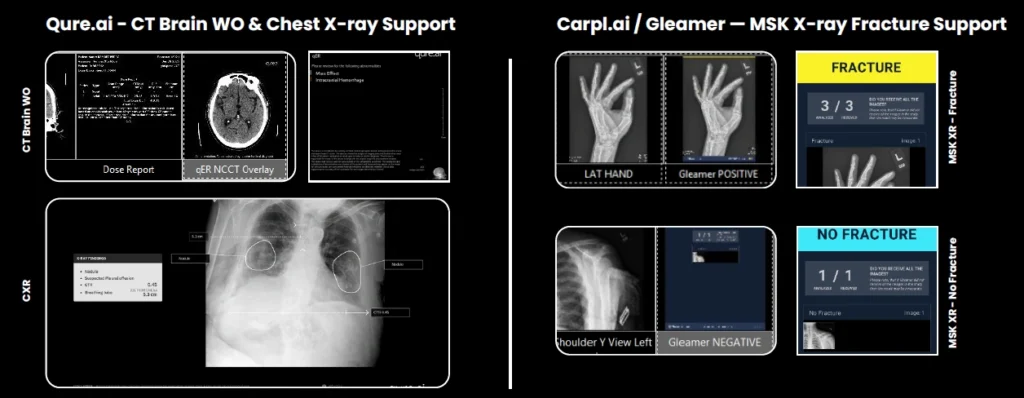
Grayscale radiology AI hero image showing imaging screens and a neural circuit concept representing governance, workflow, and qualityVesta has invested in AI-assisted imaging and workflow partnerships, including Qure.ai, Carpl.ai, and RadPair, as well as internal AI-based support tools that help staff retrieve protocols, schedules, credentialing information, and specialty details more efficiently. Vesta also states that it uses AI-driven prioritization and cloud-based workflow tools to help radiologists surface critical findings faster and return reports without delay.

For hospitals, the takeaway is simple: do not ask whether a teleradiology company uses AI. Ask how it uses AI, where it fits into workflow, and whether it strengthens speed and quality without weakening oversight.

  1. Seamless Integration With Existing Systems

A teleradiology relationship should make operations easier, not harder. That means the company should be able to integrate with PACS, RIS, HL7, and related workflow infrastructure in a way that minimizes friction for staff. Fast onboarding, dependable communication, and technology compatibility should all be part of the evaluation process. Vesta offers HL7 integration, infrastructure support, managed implementation capabilities, and customizable IT solutions as part of its service mix.

The more seamless the operational fit, the faster a facility can realize value.

  1. Support for Rural and Underserved Facilities

Hospitals in rural and underserved areas often feel imaging access problems first. AHRQ has noted that rural communities face provider shortages and may benefit significantly from telehealth-supported care models. Teleradiology can be especially valuable when geography and staffing limitations make local subspecialty access difficult.

Vesta uses AI-enabled radiology expansion as a way to support hospitals of every size, including rural and underserved communities.

  1. Accreditation, Reliability, and Communication

Hospitals should also look for proof of organizational maturity. Accreditation, dependable service, and direct communication pathways all matter. Vesta is a Joint Commission-accredited provider and emphasizes timely, secure interpretations and direct service support.

In practical terms, a strong teleradiology company should be able to answer these questions clearly:

How fast can you onboard us?
Who reads our cases?
What subspecialties do you cover?
How do you handle critical findings?
How does your AI fit into workflow?
How do your radiologists communicate with our team?

The Bottom Line

In 2026, the top qualities to look for in a teleradiology company in the USA go well beyond basic night coverage. Hospitals should prioritize clinical quality, subspecialty depth, dependable 24/7/365 service, strong integration, and AI-enhanced workflow that improves efficiency while preserving radiologist oversight. For organizations trying to protect patient flow, reduce coverage risk, and modernize imaging operations, those qualities are no longer optional. They are the standard modern hospitals should expect from a serious teleradiology partner.


MSK Teleradiology in 2026: How Hospitals Can Reduce MRI Backlogs Without Slowing Ortho and ED Throughput


Overview

  • RSNA’s 2025 MSK trends spotlight rising complexity: opportunistic imaging, body composition, AI use, and advancing MSK applications.
  • For hospitals, the pain point is practical: MSK MRI backlogs delay ortho decision-making and clog scheduling.
  • Workforce strain remains a headwind, with the ACR describing ongoing supply–demand imbalance.
  • The fix is operational: tighter protocol discipline, realistic SLAs, and subspecialty coverage that protects peak windows.
  • MSK teleradiology works best when it’s service-line aligned (ortho + ED) and measured (TAT, discrepancy tracking, escalation).

Why MSK MRI feels harder lately

MSK imaging is not “just knee MRIs” anymore. RSNA’s 2025 MSK coverage highlights how rapidly the field is evolving, including opportunistic imaging and body composition analysis showing up in routine workstreams, plus expanding AI utilization. Even when your department isn’t formally reporting every opportunistic metric, the trend reflects an underlying reality: MSK studies increasingly carry higher expectations for nuance, consistency, and clinical usefulness.

At the same time, staffing constraints haven’t loosened. The ACR’s workforce update describes a persistent shortage environment where the system doesn’t automatically “bounce back” without deliberate changes. That’s why backlogs can appear suddenly: one vacancy, one vacation block, one surge week in sports medicine referrals—and your TAT drifts.

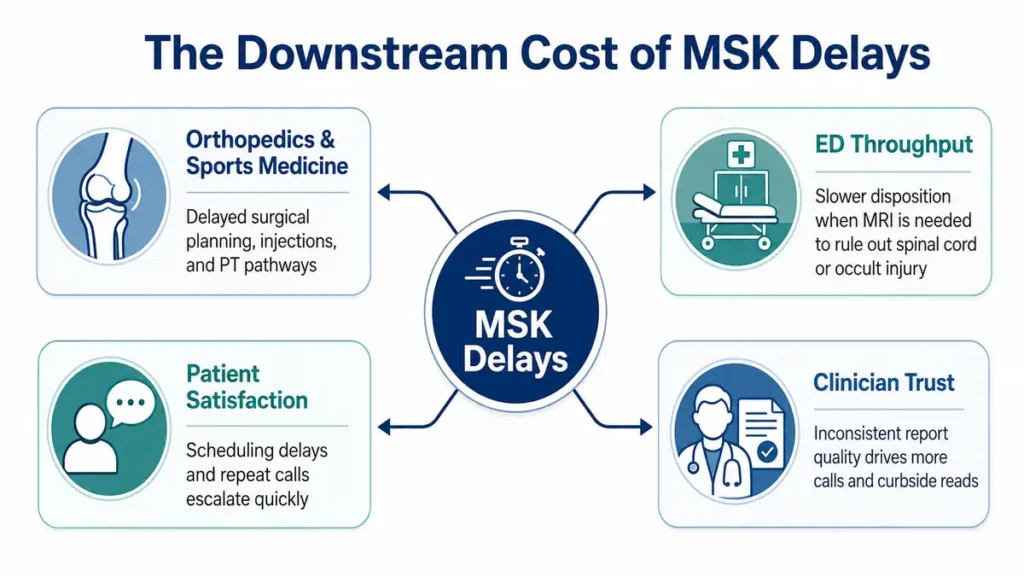
The downstream cost of MSK delays

MRI backlog isn’t just a radiology KPI. It hits:

  • Orthopedics and sports medicine: delayed surgical planning, delayed injections, delayed PT pathways.
  • ED throughput: delayed disposition when MRI is needed to rule out spinal cord or occult injury.
  • Patient satisfaction: scheduling delays and repeat calls escalate quickly.
  • Clinician trust: inconsistent report quality drives more phone calls and “curbside reads.”

What an MSK backlog reduction plan looks like (that doesn’t burn out your team)

1) Separate “needs MSK subspecialty” from “can be safely generalized”

Not every MSK study is equal. Create a simple classification:

  • Tier A (MSK subspecialty preferred): complex post-op, tumor, infection, cartilage, multi-ligament injuries, nuanced shoulder/hip.
  • Tier B (standard MSK): high-volume bread-and-butter (meniscus, ACL, simple rotator cuff).
  • Tier C (general): studies where general radiology reads are appropriate by policy.

This prevents the common mistake of routing everything to the same limited pool.

2) Align SLAs to the ortho service line calendar

Ortho doesn’t spike randomly. It spikes around:

  • Clinic days
  • OR block schedules
  • Weekend injury surges
  • Sports seasons

Build coverage to protect those windows. An MSK teleradiology partner can be most valuable as a predictable buffer during peak days rather than as “panic coverage” after the backlog is already visible.

3) Standardize MSK protocols to reduce rework

Rework is hidden backlog. Common causes:

  • Wrong sequence sets
  • Inconsistent contrast usage
  • Missing views for certain joints
  • Post-op artifacts without mitigation sequences

Your best backlog reduction lever is often “less repeat scanning,” not “faster reading.”

4) Use quality signals, not just speed

If you only optimize TAT, report quality often suffers, and calls increase. Use at least two quality metrics:

  • Discrepancy/peer review trend (by modality/type)
  • Clinician callback volume or addendum rate

5) Measure the right time intervals

Instead of one TAT number, track:

  • scan complete → read started
  • read started → signed
  • signed → critical communicated (when applicable)

That reveals whether your bottleneck is worklist management, staffing, or reporting.

Where MSK teleradiology fits best

MSK teleradiology is most effective when it’s positioned as:

  • Subspecialty access for complex studies (Tier A)
  • Backlog prevention during predictable peaks
  • Nights/weekends coverage for ED MSK needs
  • Consistency for multi-site health systems

The goal isn’t to “outsource MSK.” It’s to stabilize the service line so ortho and ED leaders can trust the imaging pipeline.

FAQ (high-intent keywords)

How do you reduce MSK MRI backlog quickly?
Start by tiering studies, protecting peak windows with planned coverage, and removing rework from protocol inconsistencies.

Is AI the answer for MSK workload?
AI is expanding in MSK, but operational wins still come from workflow discipline and coverage design—especially while workforce constraints persist.

How Vesta fits
Vesta Teleradiology supports hospitals with MSK-capable reads, surge buffering, and SLA-driven throughput—built to protect ortho and ED decision-making when volume spikes. Contact Vesta today to learn more about our tailored radiology services.


Subspecialty Night & Weekend Coverage: A Redundancy Model for Neuro + Body Imaging Reads

Overview

  • Nights/weekends are where imaging systems “stress test” themselves—coverage gaps show up first in neuro and body.
  • ACR’s workforce update underscores sustained supply–demand pressure and rising attrition trends.
  • Vizient highlights continued imaging demand growth drivers that affect hospital capacity planning.
  • Redundancy isn’t just “more reads.” It’s minimum viable coverage, SLA tiers, and escalation rules that trigger backup automatically.
  • The best model blends onsite teams with subspecialty teleradiology as a structured backstop (not a last-minute scramble).

Why nights/weekends fail differently

During the day, you can usually see trouble coming—lists get longer, inboxes fill up, and someone calls a meeting. At night or on weekends, issues don’t announce themselves. They creep in, and the first sign is often a delay in care or a bottleneck in the Emergency Department.

  • delayed inpatient management decisions
  • missed or late critical communications
  • inconsistent subspecialty interpretation when generalists are stretched

Neuro and body imaging become the pressure points because they’re high-impact (stroke, hemorrhage, acute abdomen, PE) and high-volume (CT utilization doesn’t sleep).

Trend reality: demand up, staffing tight

The ACR describes a shortage environment that isn’t expected to resolve on its own without deliberate interventions, pointing to concerning attrition dynamics over recent years. At the same time, imaging demand growth continues to be a strategic planning topic for health systems, influenced by aging populations, shifting care settings, and technology-driven utilization.

This is why “we’ll figure it out on call” stops working. You need a model.

A redundancy model you can implement (without rebuilding your department)

1) Define minimum viable coverage by shift

Write down what must be protected:

  • ED CT head + stroke pathway imaging (neuro)
  • CT A/P for acute abdomen, high-risk oncology complications (body)
  • CTA chest for suspected PE when it changes disposition
  • critical result communication expectations

This becomes the baseline against which you measure risk.

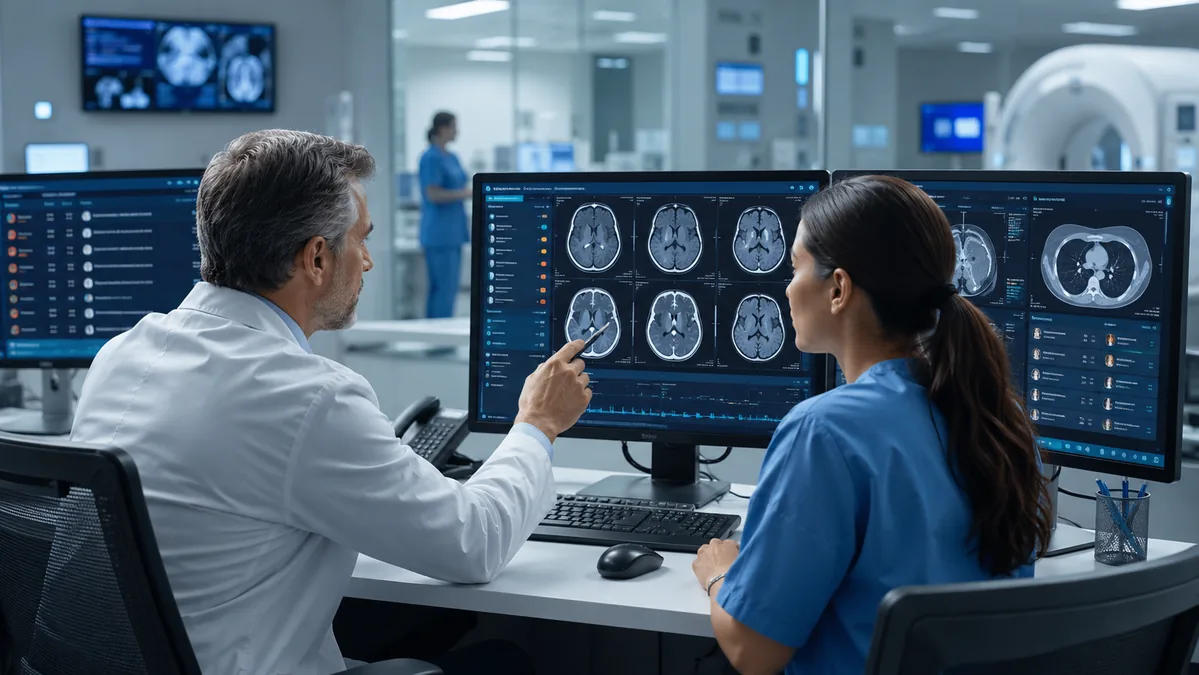
Radiologist reviewing ED CT head scans for stroke pathway imaging on dual monitors to support rapid diagnosis and treatment decisions.2) Build priority tiers that match clinical urgency

Example structure:

  • Priority 1: stroke activation, suspected hemorrhage, PE, acute abdomen with sepsis concern
  • Priority 2: urgent inpatient/ED studies that guide immediate treatment
  • Priority 3: routine reads that can safely phase in

Then attach SLAs to each tier.

3) Put escalation into policy (not personality)

A strong escalation plan answers:

  • What is the trigger? (minutes past SLA, volume threshold, or specific study types)
  • Who is the backup? (named role, not “someone”)
  • How is the handoff documented?
  • How do critical findings get communicated if systems are stressed?

If escalation depends on a single person noticing a problem, you don’t have redundancy—you have hope.

4) Use subspecialty teleradiology as “coverage insurance” for the riskiest windows

The riskiest windows are predictable:

  • 7 p.m.–2 a.m. ED spikes
  • weekend daytime when staffing is lean
  • holiday stretches
  • periods of planned PTO or vacancies

Build a standing model where neuro/body backup activates under defined conditions. That keeps your onsite team from being overloaded and protects quality.

5) Measure the outcome that leadership cares about

Beyond “radiology TAT,” track:

  • ED disposition time impacts (where possible)
  • percent of Priority 1 studies meeting SLA
  • critical results closed-loop compliance
  • discrepancy trends for high-risk study types

These translate into patient flow and risk reduction—language administrators understand.

FAQ

What’s the best overnight radiology coverage model?
For most hospitals, a hybrid model works: onsite general coverage plus defined subspecialty backup for neuro/body studies with strict SLAs and escalation triggers.

How do we justify redundancy spend?
Tie the model to ED throughput, avoided diversion, reduced overtime/burnout, and risk reduction—then measure Priority 1 SLA compliance.

How Vesta fits
Vesta Teleradiology supports continuity with subspecialty depth for neuro and body imaging, SLA-driven coverage, and escalation-ready redundancy designed for nights, weekends, and surge periods.


Radiologist Attrition Is Rising—And Subspecialty Coverage Feels It First


  • Attrition (radiologists leaving clinical practice) rose from 1.1% in 2014 to 2.5% in 2022 in a national analysis of 41,432 radiologists.
  • Subspecialists were more likely to exit than generalists (adjusted OR 1.37), which can widen gaps in high-demand service lines.
  • Rural-linked practices and nonacademic settings showed higher attrition signals—often where backup coverage is hardest to source.

What the new AJR study found (and why leaders should care)

A 2026 AJR study analyzed CMS National Downloadable Files (2014–2022) and linked them with claims datasets to identify when radiologists were no longer clinically active—i.e., attrition. The topline result is simple but operationally huge: radiologist attrition increased steadily over the period, reaching 2.5% by 2022 (unadjusted).

For imaging leaders, attrition isn’t just a workforce statistic. It shows up as:

  • Harder scheduling and more uncovered shifts
  • More frequent “thin coverage” windows (nights/weekends/holidays)
  • Longer turnaround time risk when volumes surge
  • Greater dependence on a smaller bench of subspecialty readers

The subspecialty problem: “more demand, fewer experts”

The study’s most concerning signal for many hospitals is who is leaving. After adjusting for multiple factors, subspecialists had higher odds of exiting than generalists (OR 1.37).

Why this matters: subspecialty reads aren’t evenly interchangeable. When the local bench thins, the first pain points tend to be:

  • Neuro (stroke pathways, head/neck CTA/CTP, complex MRI)
  • MSK (trauma MRI, occult fractures, postop complications)
  • Body (oncology staging, complex abdomen/pelvis CT/MR)
  • Chest/cardiothoracic (PE, ILD, oncology follow-up, CTA)

In practical terms, a smaller share of subspecialists can lead to more “general coverage” during peak times—and that often creates inconsistency in reporting, more clarification calls, and slower decision loops.

Attrition isn’t evenly distributed across settings

The AJR analysis also found higher adjusted odds of attrition for:

  • Nonacademic vs academic radiologists (OR 1.34)
  • Radiologists in practices with at least one rural site (OR 1.16)

That matters because rural and community facilities often have:

  • smaller groups,
  • fewer redundant subspecialists,
  • limited ability to recruit quickly,
  • and higher sensitivity to coverage gaps (one vacancy can shift everything).

Separately, the ACR’s workforce update highlights consolidation and changing practice structures as part of the broader environment imaging leaders are navigating.

Two radiologists reviewing imaging studies together at a workstation, illustrating collaboration to maintain subspecialty coverage amid workforce attrition.What hospitals can do now (short-term, operations-first)

A 2024 AJR paper on short-term strategies argues that no single fix solves supply vs demand—so leaders should combine workflow efficiency moves with coverage planning.

A hospital-ready approach often looks like this:

1) Protect “minimum viable coverage”

Define what must be covered to keep patient flow safe (ED CT, stroke imaging, critical inpatient STATs, weekend lists). Put it in writing so you can activate a plan quickly when staffing flexes.

2) Separate urgency tiers

If everything is “STAT,” nothing is. Clear categories + escalation paths reduce noise and protect turnaround time for truly time-sensitive studies.

3) Build redundancy for the riskiest windows

Overnights and weekends are where small cracks become big delays. Redundancy can be internal (cross-coverage) or external (a vetted partner).

4) Treat subspecialty access as a service line

If neuro/MSK/body reads are crucial to downstream programs (stroke center, ortho service, oncology), plan coverage like a core capability—not a nice-to-have.

Where Vesta Teleradiology fits

Vesta supports hospitals and imaging centers with reliable coverage and subspecialty-capable interpretation to reduce the operational risk that comes when local staffing gets stretched. When attrition disproportionately affects subspecialists, a flexible teleradiology partner can help you:

  • maintain consistent subspecialty reads,
  • protect night/weekend coverage,
  • stabilize turnaround time during spikes,
  • and keep clinical teams moving from imaging to decision without delay.

Learn more at vestarad.com.


When Radiology Groups Lose Capacity: How Hospitals Can Protect Coverage, Turnaround Times, and Patient Flow

The quiet risk hospitals don’t plan for: capacity collapse

Radiology coverage doesn’t always fail with a formal termination or an obvious “we’re done” message. More often, it erodes. A radiology group loses key radiologists, experiences unexpected attrition, can’t recruit fast enough, or faces scheduling strain that turns into missed commitments. The hospital still has the same ED demand, the same inpatient needs, and the same responsibility to keep care moving—yet turnaround times slip, subspecialty availability narrows, and internal teams get stretched thin.

From an operational standpoint, the impact can look like an “implosion,” even if the root cause is simply capacity mismatch.


What capacity loss looks like in real hospital workflows

When a radiology group is underwater, the warning signs typically show up as workflow symptoms before anyone names the problem:

  • Growing backlogs during evenings, nights, or weekends
  • Longer final-report turnaround times, especially for CT and MR
  • Reduced subspecialty coverage (neuro, MSK, body, breast)
  • More “wet reads,” delayed overreads, or inconsistent staffing patterns
  • Slower critical result communication and more escalations to leadership
  • Increasing reliance on a small number of radiologists to “save the shift”

None of these are just radiology issues. They affect ED throughput, length of stay, patient satisfaction, and clinician trust.


A continuity playbook for imaging leaders infographic with five steps: define minimum viable coverage by shift, separate must-read now from can phase in, set SLAs and escalation, build redundancy for nights/weekends/subspecialty reads, and plan rapid onboarding.

Hospitals are seeing pressure from multiple directions at once: staffing shortages, increasing exam complexity, heavier after-hours demand, and rising expectations for consistent turn times. One indicator the market is under strain: a Neiman Health Policy Institute analysis found that from 2014–2023, the number of practices with affiliated radiologists fell 14.7% while the number of radiologists grew 17.3%, reflecting ongoing consolidation and shifting coverage capacity.” When a group loses even a few radiologists—especially subspecialists—the coverage math can break quickly. Recruiting is rarely immediate, and internal coverage often becomes a patchwork of short-term fixes.


The important takeaway is this: a capacity disruption doesn’t require bad intent to create real clinical and operational risk. That’s why continuity planning matters.


A continuity playbook for imaging leaders

If you suspect your group is approaching a capacity shortfall, the best time to act is before turn times become a crisis. These steps can help protect operations and reduce disruption:

1) Define minimum viable coverage by shift

Document what must be covered on each shift to protect patient flow (e.g., ED CT, inpatient stat, stroke pathways, weekend coverage). This gives you a clear baseline if you need a stopgap plan.


2) Separate “must-read now” from “can phase in”

Not every study needs the same priority level. Align with ED and hospital leadership on what requires immediate final reads vs. what can be scheduled with acceptable delay.

3) Get specific about SLAs and escalation

If turn times are drifting, vague expectations won’t fix it. Define turnaround targets by priority category and document critical-result escalation pathways so the burden doesn’t land on one manager’s phone.

4) Build redundancy for nights, weekends, and subspecialty reads

Capacity collapses often reveal the weakest links first: overnight coverage, weekend staffing, and subspecialty depth. Even if you don’t outsource everything, having a backup partner for the riskiest windows can stabilize operations.

5) Plan for rapid onboarding before you need it

The fastest transitions happen when leadership has already identified what they’d need for an emergency coverage start: modality volumes, hours, PACS/RIS details, dictation preferences, and communication protocols.


How Vesta supports hospitals when coverage is strained or service is disrupted

When a radiology group can’t keep up, hospitals need dependable coverage that restores momentum—not another layer of complexity. Vesta Teleradiology helps facilities stabilize quickly with a continuity-first approach:

  • Scalable capacity to absorb surges and protect turn times
  • Subspecialty interpretation options aligned to case complexity
  • Clear expectations for turnaround and critical results communication
  • Rapid onboarding pathways designed for real hospital workflows

Whether you need temporary stabilization, overflow coverage, nights/weekends support, or a longer-term solution, we can tailor coverage so your imaging team isn’t forced into constant triage mode.


Every staffing disruption has context. The point isn’t to assign blame—it’s to protect continuity of care and keep clinical operations stable. If your facility is seeing warning signs of coverage strain, we can help you assess options and timelines without speculation about any third party.

After-Hours Imaging Backlogs: Faster Reads, Shorter ED Length of Stay

Radiology leaders have learned something uncomfortable: even if you have radiologist coverage, you can still have imaging gridlock. The reason is increasingly upstream—technologist staffing and capacity.

A widely cited ASRT survey highlighted a radiologic technologist vacancy rate of 18.1%, up from 6.2% only three years earlier, with real impact on patient scheduling and inpatient length of stay. Source: RSNA overview.


A separate summary for imaging executives echoed the same 18.1% vacancy figure and trend.

The practical takeaway: “radiology staffing” is no longer just a radiologist conversation. Here’s a leader-focused playbook to reduce delays without lowering standards.

How the tech shortage shows up in real metrics

You’ll usually see it in one (or all) of these:

  • Longer time-to-scan (schedule access deteriorates)
  • Higher no-show / reschedule rates (patients can’t find workable slots)
  • More repeats (fatigue + rushing increases error risk)
  • Backlogs that “mysteriously” worsen after holidays, flu surges, or PTO season

A 6-step action plan to reduce delays fast

1) Separate “demand” from “avoidable demand”

Not all imaging volume is equally necessary.

  • Review repeats, protocol errors, and “wrong exam” orders.
  • Tighten ordering pathways with clinicians (standardize indications and exam selection).

Even a small drop in repeat imaging can return capacity.

2) Standardize protocols to reduce tech time per exam

Protocol sprawl increases cognitive load and exam duration.

  • Build a lean “default” protocol set for top 20 exams.
  • Use tech-friendly checklists for complex exams (MRI safety, contrast workflows).
  • Reduce variations across sites in a system.

man operating an MRI machine3) Smooth scheduling around your true capacity

Stop scheduling to an ideal world.

  • Build schedules around realistic staffing (including breaks, transport delays, and room turnover).
  • Protect blocks for ED/inpatient add-ons so outpatient doesn’t implode daily.
  • If you have multiple scanners, assign “quick win” exams to specific rooms to reduce reset time.

4) Use role design to protect your scarce talent

If your MRI tech is doing tasks that don’t require MRI training, you lose throughput.

  • Shift non-licensed tasks away from techs where possible (transport coordination, documentation steps, room prep).
  • Cross-train strategically (don’t cross-train everyone on everything—target the biggest bottlenecks).

5) Measure the right bottleneck metrics

Leaders often track report turnaround time but miss the upstream constraint.
Add:

  • order-to-scan time
  • scan-to-dictation start time
  • exams per tech hour
  • repeat rate (by modality and shift)

6) Backstop interpretation capacity so tech gains don’t get wasted

When tech workflows improve, volume rises—and the next bottleneck becomes reading capacity.


This is where flexible interpretation support helps protect throughput:

  • prevent end-of-day reading pileups
  • keep ED reads moving after-hours
  • maintain consistency when staffing fluctuates

7) Make backlog reduction a burnout intervention

Overnight backlog doesn’t only harm metrics—it burns people out. A calmer, more predictable workflow improves clinician experience and decreases error risk.


Where Vesta fits


Vesta Teleradiology supports hospitals and imaging programs that want to keep overnight and weekend imaging moving—with dependable coverage and consistent interpretation quality. The goal is simple: fewer backlogs, steadier turnaround times, and smoother ED throughput.


Radiology AI in 2026: From “Cool Tools” to Governance, Workflow & Quality

In 2026, the radiology AI conversation is shifting from “Which algorithm is best?” to “How do we run AI in production without creating new risks or new bottlenecks?” Hospitals and imaging leaders are under pressure to improve turnaround times, reduce backlogs, and keep quality consistent—yet everyone knows that technology layered onto an already complex workflow can backfire if it isn’t governed properly.

The most successful AI programs aren’t defined by a single tool. They’re defined by governance, interoperability, and measurable performance—and by a workflow design that supports radiologists rather than fragmenting their attention.

Why AI success looks different in 2026

Early AI adoption often focused on point solutions: a triage tool here, a detection aid there. Today, organizations want outcomes: faster reads, fewer misses, more consistent reporting, and fewer operational disruptions. That’s why governance is taking center stage. The American College of Radiology (ACR) has emphasized the need for formal AI governance and oversight structures to keep patient safety and reliability at the forefront.

At the same time, the industry is pushing hard on interoperability—making sure AI tools integrate into PACS/RIS and clinical communication rather than living in “yet another dashboard.” RSNA has showcased how workflow integration and standards can reduce friction points and help AI support real clinical scenarios.

The 2026 AI governance checklist (simple, practical, usable)

Whether you’re adopting your first tool or scaling across modalities, governance doesn’t need to be complicated—but it does need to be real. A strong governance model typically includes:

1) Clear clinical ownership

AI cannot be “owned by IT.” Radiology leaders should define:

  • Where AI is allowed to influence priority or interpretation

  • When radiologists can override AI outputs (and how overrides are documented)

  • What happens when AI and clinical suspicion conflict

2) Validation before scale

Before broad rollout, validate performance in your setting:

  • Scanner/protocol differences

  • Patient population differences

  • Volume and study mix differences

Even a great algorithm can underperform when protocols change or volumes surge.

3) Ongoing monitoring for drift

AI isn’t “install and forget.” Real-world performance changes over time—new scanners, new protocols, and shifting patient demographics can all cause drift. That’s why long-term monitoring is a growing focus in radiology AI standards efforts. For example, ACR has discussed practice parameters and programs aimed at integrating AI safely into clinical practice.

4) Operational metrics that matter

Track the metrics your hospital actually feels:

  • ED and inpatient turnaround time (TAT)

  • Backlog hours by modality

  • Discrepancy rates and peer-review signals

  • Percentage of cases escalated via triage

  • Radiologist interruption load (alerts, worklist reshuffles)

If AI improves one metric by harming another, it’s not a net win.

Where Vesta fits: AI + subspecialty reads + QA

For many hospitals, the most practical 2026 strategy isn’t “AI replaces humans.” It’s AI improves routing and prioritization, while subspecialty radiologists deliver the interpretation quality that clinical teams depend on.

A common best-practice workflow looks like this:

  • AI supports triage and worklist prioritization (especially for time-sensitive pathways)

  • Subspecialty radiologists provide consistent, high-confidence reads

  • QA processes (peer review, discrepancy tracking, feedback loops) ensure reliability over time

That combination is how you get the real goal: speed and confidence together—not speed at the expense of quality.

What to do next

If you’re building or refining an AI program in 2026, start with your workflow map—then add tools where they reduce friction. And make sure governance is designed before adoption accelerates.

If your team needs scalable subspecialty coverage to support operational goals (nights/weekends, overflow, or targeted service lines), Vesta Teleradiology can help you build a coverage model that keeps reads moving without sacrificing consistency. Learn more at https://vestarad.com.