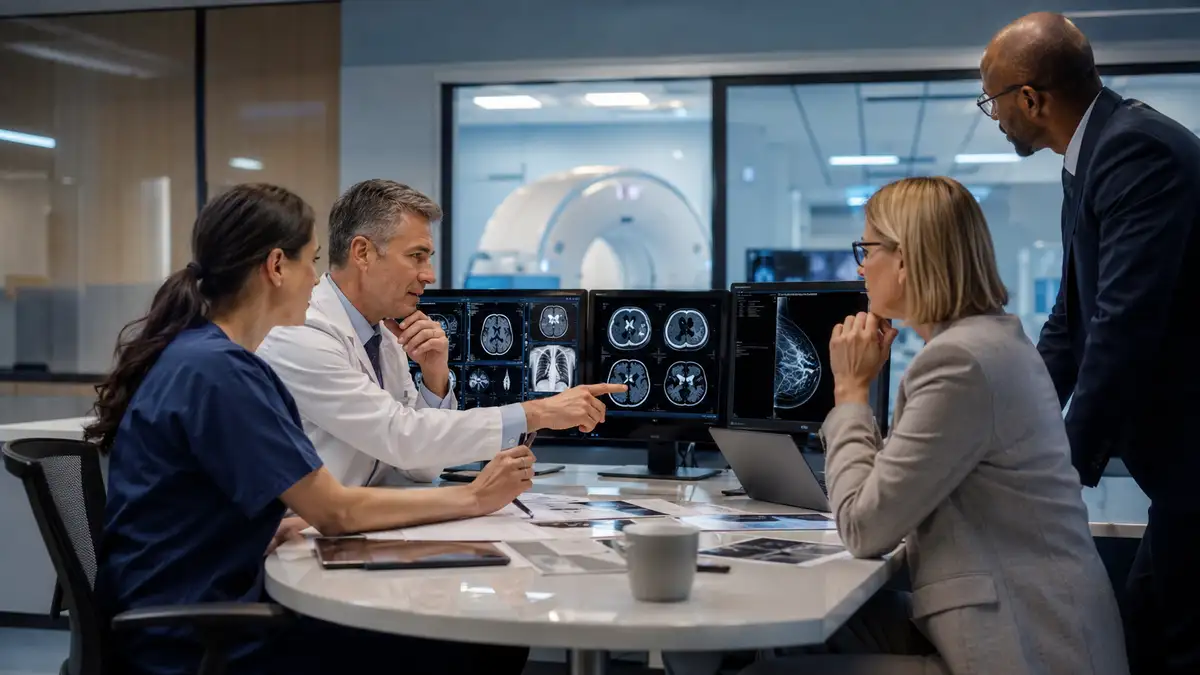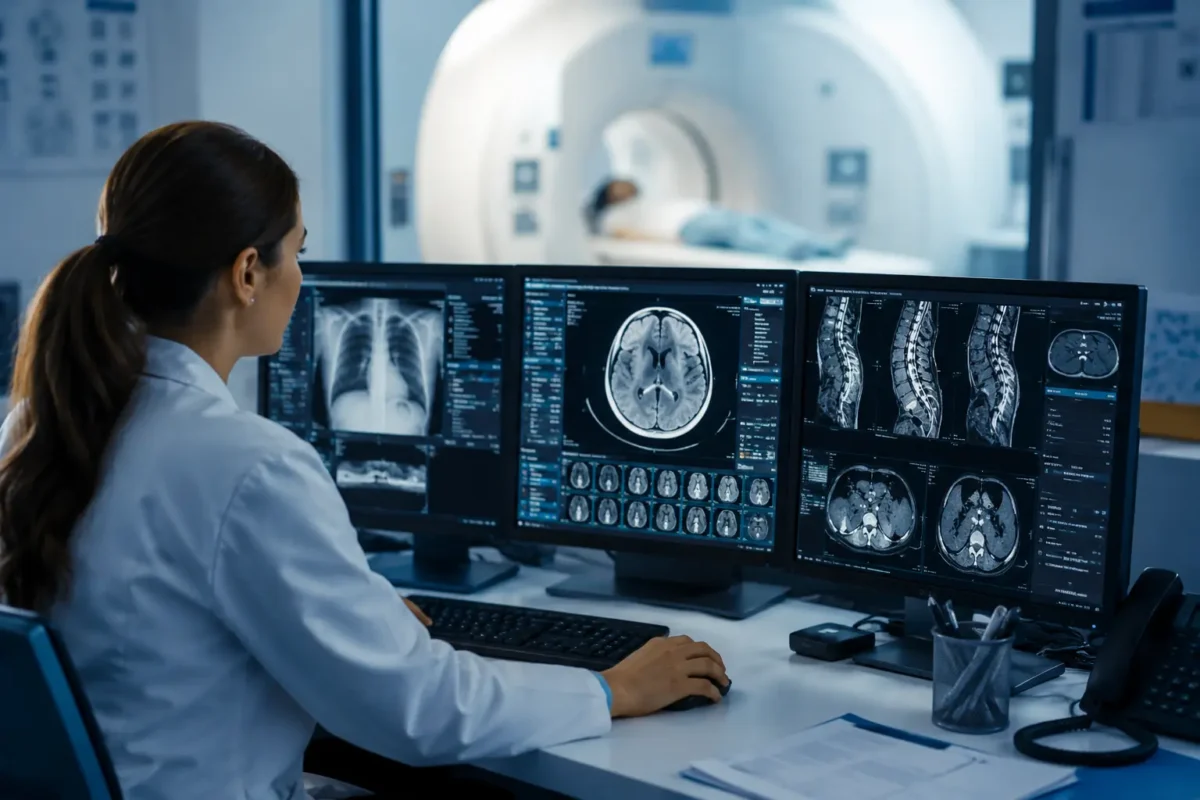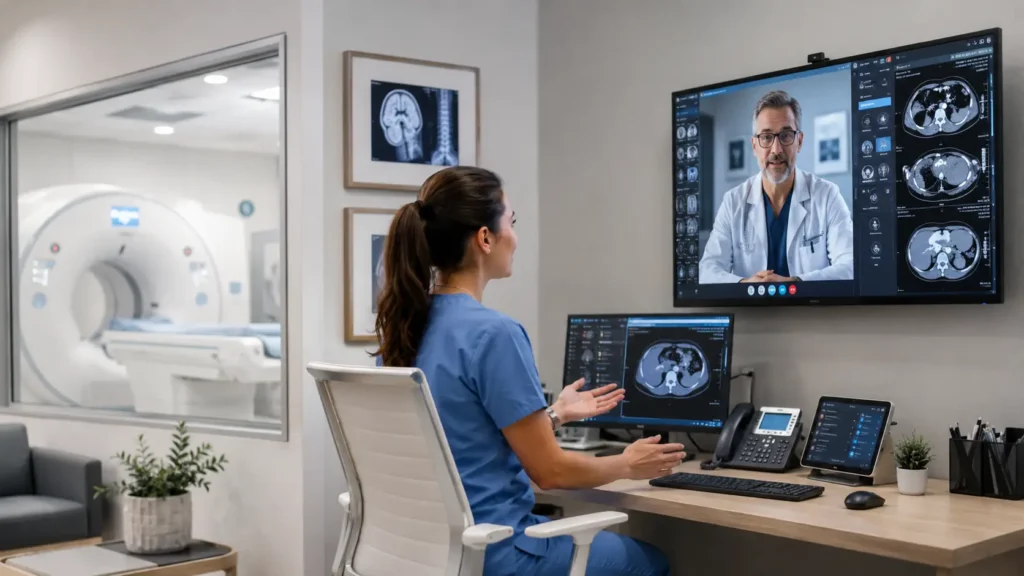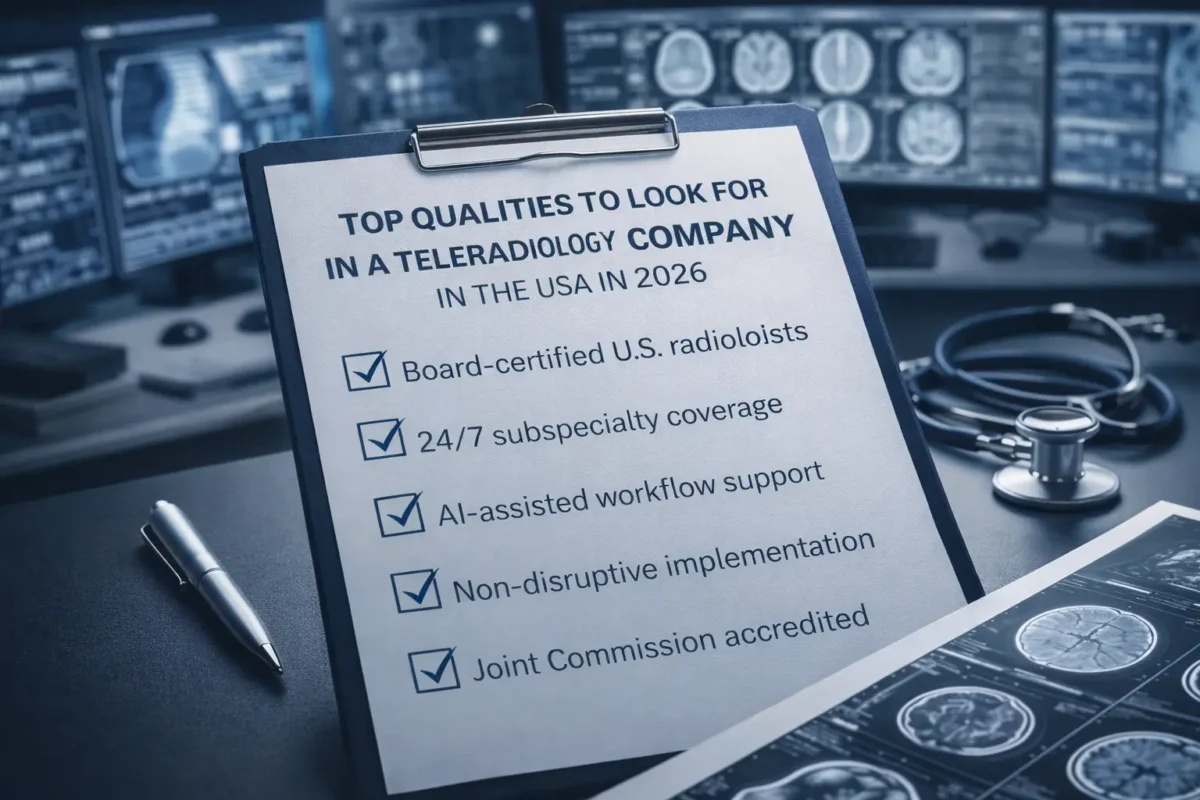
What Hospitals Risk When Subspecialty Radiology Reads Are Not Available After Hours

After-hours radiology coverage is about more than getting a study read overnight. For many hospitals, the bigger challenge is making sure the right expertise is available when a complex case comes in.

The American College of Radiology notes that teleradiology has become an important part of care delivery, especially where access to radiology expertise is limited. The ACR’s teleradiology guidance supports the value of expanding access to radiology expertise across care settings. When subspecialty radiology reads are not available after hours, hospitals can face workflow, quality, and care coordination risks that extend beyond the radiology department.

Why after-hours subspecialty access matters

Not every imaging study carries the same level of complexity. A routine case may be manageable with general coverage, but some exams benefit from deeper expertise in areas such as neuroradiology, musculoskeletal imaging, body imaging, or emergency radiology.

That matters at night, on weekends, and during holidays because urgent clinical decisions still need to be made. Hospitals may be managing possible stroke, trauma, subtle fractures, postoperative complications, or complex abdominal findings long after regular business hours. When the available after-hours read lacks subspecialty depth, the hospital may still get an interpretation, but it may lose confidence, speed, or both.
What hospitals risk without after-hours subspecialty reads

Slower decision-making for complex cases

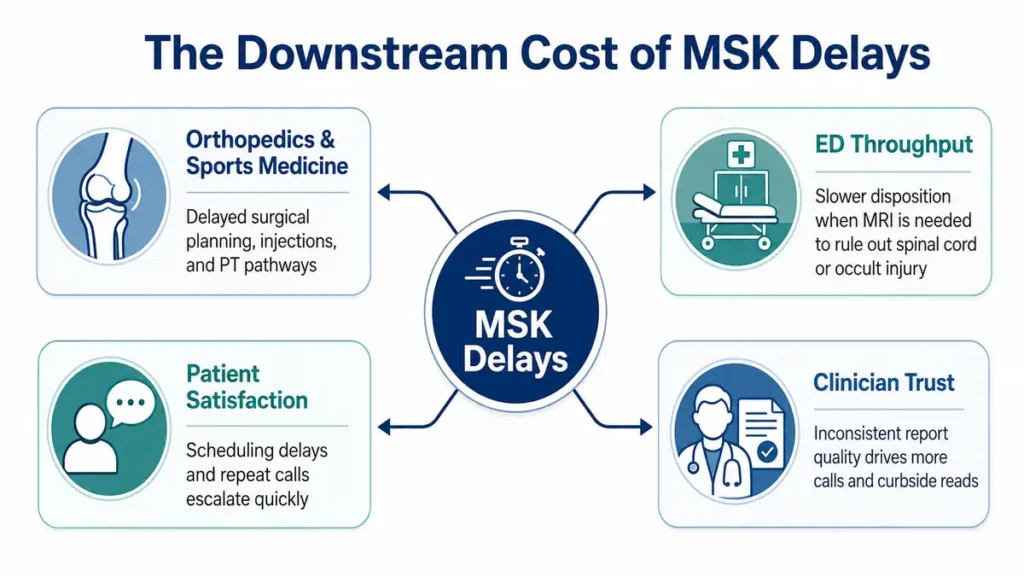
When clinicians are waiting on a more definitive interpretation, treatment decisions can slow down. That can affect emergency department throughput, transfers, admissions, and follow-up planning.

Greater dependence on callbacks or next-day review

If a complex study needs another look in the morning, the overnight read may function more like a temporary bridge than a complete answer. That can create inefficiency for both the care team and the radiology department.

a radiology reviews head x-rayMore strain on internal radiologists

Without dependable subspecialty support after hours, hospitals may rely heavily on internal radiologists to take more call, review edge cases, or resolve uncertainty the next day. Over time, that can add pressure to staffing and scheduling.

Reduced confidence in high-acuity moments

Hospitals want consistency when cases are urgent. The Joint Commission’s hospital safety framework emphasizes timely reporting of critical results of tests and diagnostic procedures, including defining who reports them and how quickly they must be communicated. If expertise is limited after hours, confidence in that process can weaken at the exact time it matters most.

The operational impact goes beyond radiology

A gap in after-hours subspecialty access does not stay isolated in imaging. It can affect:

  • emergency department flow
  • inpatient care coordination
  • communication between clinicians
  • overnight treatment planning
  • next-day workload for radiology teams

In other words, this is not only a radiologist staffing issue. It is a hospital operations issue.

That is one reason many facilities look for a teleradiology partner that can provide after-hours coverage backed by subspecialty expertise, not just general availability.

How teleradiology helps reduce the risk

A strong teleradiology model helps hospitals maintain access to the right expertise when internal coverage is limited. This can support:

  • more confident overnight interpretations
  • stronger continuity between after-hours and daytime workflow
  • less pressure on internal teams
  • better support for complex imaging cases
  • more reliable communication on urgent findings


For hospitals that need overnight support, the goal is not simply to keep reads moving. It is to keep the quality and level of support aligned with the clinical demands of the case.

What to look for in an after-hours radiology partner

Are subspecialty reads available after hours?

Not every provider offers the same depth of expertise overnight.

Are radiologists U.S. board-certified?

Credentials and hospital readiness matter.

Is critical-results communication clearly defined?

Hospitals need dependable processes, especially overnight.

Does the provider fit into the existing workflow?

Smooth implementation matters if the service is going to support operations rather than complicate them.

FAQ

Why are subspecialty radiology reads important after hours? Some imaging studies are more complex and benefit from expertise in a specific area of radiology. After hours, that expertise can help support faster and more confident clinical decisions.

What can happen if a hospital only has general overnight coverage?
The hospital may still receive a read, but complex cases may require additional review, create uncertainty, or slow treatment and workflow decisions.

Does this mainly affect emergency departments?

No. It can also affect inpatient care, overnight coordination, next-day radiology workload, and broader hospital operations.

How does teleradiology help with subspecialty gaps?

Teleradiology can give hospitals access to subspecialty-trained radiologists after hours, helping extend expertise beyond what is available on site overnight.

Strengthen after-hours coverage with the right expertise

When subspecialty radiology reads are not available after hours, hospitals risk slower decisions, more workflow friction, and added strain on internal teams. Vesta helps hospitals strengthen after-hours imaging support with 24/7 nationwide teleradiology, U.S. board-certified radiologists, and subspecialty reads designed to support real hospital workflows. If your facility needs a more dependable radiology partner for nights, weekends, holidays, or overflow volume, contact Vesta to learn how we can help.

No. It can also affect inpatient care, overnight coordination, next-day radiology workload, and broader hospital operations.

How does teleradiology help with subspecialty gaps?
Teleradiology can give hospitals access to subspecialty-trained radiologists after hours, helping extend expertise beyond what is available on site overnight.

Strengthen after-hours coverage with the right expertise

When subspecialty radiology reads are not available after hours, hospitals risk slower decisions, more workflow friction, and added strain on internal teams. Vesta helps hospitals strengthen after-hours imaging support with 24/7 nationwide teleradiology, U.S. board-certified radiologists, and subspecialty reads designed to support real hospital workflows. If your facility needs a more dependable radiology partner for nights, weekends, holidays, or overflow volume, contact Vesta to learn how we can help.

24/7 Teleradiology Coverage: What Hospitals Should Look for in a Radiology Partner

Hospitals need imaging support at all hours, not just during the day. Emergency departments, inpatient units, and urgent care settings all depend on timely radiology interpretation to keep care moving. That is why choosing a 24/7 teleradiology partner is about more than covering overnight shifts. It is about finding a team that can support patient care, reduce delays, and work smoothly within hospital operations.

When evaluating providers, hospitals should look for a partner that brings clinical quality, consistent communication, and dependable operational support. The American College of Radiology emphasizes that safe and effective radiology depends on appropriate training, skills, and techniques. The Joint Commission also highlights the value of structured telehealth standards that support quality, consistency, documentation, and credentialing.

Coverage That Matches Real Hospital Needs

A true 24/7 radiology partner should be able to support more than basic overnight reads. Hospitals should ask whether the provider can handle nights, weekends, holidays, daytime overflow, and unexpected spikes in imaging volume. Coverage should feel reliable whether the facility is dealing with a trauma case at 2 a.m. or a busy Sunday of inpatient studies.

It is also important to ask how the provider handles staffing depth. If case volume surges or a radiologist becomes unavailable, the partner should have backup systems in place so service does not suffer.

Qualified Radiologists and Subspecialty Support

One of the most important questions is who is actually reading the studies. Hospitals should look for U.S. board-certified radiologists and ask whether subspecialty support is available when needed. Complex cases may require deeper expertise in areas such as neuroradiology, musculoskeletal imaging, body imaging, or chest imaging.

A provider that offers only general coverage may not be the best fit for every hospital. The right partner should align with the hospital’s patient population, clinical demands, and study mix. Access to subspecialty interpretation can help support greater diagnostic confidence and better care decisions.

Clear Turnaround Expectations

Fast reads matter, but general promises are not enough. Hospitals should ask for clear turnaround expectations for STAT, urgent, and routine studies. A provider should be able to explain what clients can expect during regular overnight coverage, high-volume periods, holidays, and other demanding situations.

Consistency matters just as much as speed. A radiology partner that performs well only under normal conditions may create problems when the workload increases. Hospitals should look for stable service, not just best-case turnaround numbers.

Strong Communication and Reporting

A timely report only helps if important findings reach the care team quickly. Hospitals should ask how critical findings are communicated, who receives the notification, and how that communication is documented.

Reporting quality matters too. The Radiological Society of North America notes that standardized reporting practices can improve efficiency, consistency, and diagnostic quality. For hospitals, that means reports should be clear, actionable, and easy for referring clinicians to use in real time. A good teleradiology partner should support communication workflows that reduce confusion instead of adding extra friction.

Quality Assurance Should Be Part of the Service

Hospitals should never assume quality. They should ask what type of peer review, discrepancy tracking, and internal quality assurance processes the provider uses. A strong radiology partner should have systems in place to monitor performance, review errors, and improve over time.

This matters because hospitals are not simply outsourcing image reads. They are relying on an external team to support clinical decisions. Quality assurance should be built into the service from the beginning.

Credentialing, Compliance, and Workflow Integration

Operational readiness is just as important as clinical support. Hospitals should ask how credentialing is managed, how quickly radiologists can be onboarded, and how the provider supports licensure and compliance requirements. These details become even more important for health systems with multiple facilities or broader geographic coverage.

Technology should also fit into the hospital’s existing workflow. A good partner should work effectively with the facility’s PACS, RIS, and communication systems. The goal is to make the process easier for hospital staff, not more complicated.

A Partner, Not Just a Vendor

The best teleradiology relationships feel collaborative. Hospitals should look for a provider that is responsive, flexible, and prepared to adapt as needs change. That could mean helping during staffing shortages, supporting growth, or providing coverage during periods of unusually high demand.

A strong 24/7 radiology partner should help the hospital deliver timely, consistent care around the clock. When the relationship is built on quality, communication, and operational fit, teleradiology becomes more than after-hours support. It becomes part of a stronger long-term imaging strategy.

Frequently Asked Questions

What is 24/7 teleradiology coverage?

It is continuous radiology interpretation support for hospitals and imaging facilities during nights, weekends, holidays, and other hours when onsite coverage may be limited.

Why do hospitals use teleradiology partners?

Hospitals use teleradiology to maintain timely imaging interpretation, support emergency and inpatient workflows, reduce delays, and expand access to radiology expertise after hours.

What should hospitals ask before signing with a teleradiology provider?

They should ask about radiologist credentials, subspecialty availability, turnaround times, communication protocols for critical findings, quality assurance processes, and credentialing support.

Does subspecialty radiology support matter?

Yes. Some studies benefit from deeper expertise in areas like neuroradiology, musculoskeletal imaging, or body imaging, especially in more complex cases.

Does accreditation matter when choosing a radiology partner?

It can. Accreditation may reflect stronger standards for documentation, credentialing, and operational consistency.

Vesta Teleradiology

Looking for a 24/7 radiology partner that supports your hospital with dependable coverage, fast communication, and subspecialty expertise? Contact Vesta Teleradiology to learn how our team helps facilities strengthen imaging support around the clock.

National Doctors’ Day: How Teleradiology Supports Physicians Behind the Scenes

Every year on March 30, National Doctors’ Day recognizes the skill, commitment, and daily impact of physicians across the country. The American Medical Association describes it as an annual observance honoring physicians’ dedication to delivering high-quality care. In 2026, that recognition feels especially important as hospitals and health systems continue to manage physician shortages, growing imaging demand, and the pressure to maintain fast, high-quality care across every hour of the day.

When people think about physicians on the front lines, they often picture emergency medicine doctors, hospitalists, surgeons, and specialists seeing patients in person. But radiologists are physicians too, and behind the scenes, they play a major role in helping those care teams move patient care forward. Through teleradiology, that expertise can reach hospitals, imaging centers, and providers whenever it is needed most.

fda-cleared xray

For many hospitals, especially those needing overnight, weekend, holiday, or subspecialty coverage, teleradiology is one of the support systems that helps physicians make timely decisions with greater confidence. Vesta Teleradiology positions itself as a Joint Commission-accredited, 24/7/365 provider serving hospitals, imaging centers, and health systems nationwide with U.S. board-certified radiologists and subspecialty support.

Helping Physicians Get Answers Faster

For emergency physicians and inpatient teams, waiting on an imaging interpretation can slow down patient flow, delay treatment decisions, and add pressure to an already demanding shift. That is one reason teleradiology matters so much behind the scenes. The right partner helps make sure studies are read promptly, critical findings are surfaced quickly, and referring physicians have the information they need when they need it.

This support is even more meaningful today because physician workforce strain is not easing. AAMC says the United States is projected to face a physician shortage of between 13,500 and 86,000 physicians by 2036, and ACR recently highlighted radiology workforce shortages and rising imaging volumes as a continuing challenge for the field.

Supporting Physicians Beyond After-Hours Coverage

Modern teleradiology is about more than reading cases at night. Hospitals increasingly need dependable coverage models that support physician teams around the clock, fill subspecialty gaps, and integrate smoothly into existing operations. That can mean helping a hospitalist get a faster final interpretation, supporting an ED physician with urgent reads overnight, or giving a facility access to subspecialty expertise that may not be available locally. RSNA has noted that radiology demand continues to outpace radiologist capacity, which adds to the importance of scalable support models.

Vesta’s service positioning reflects that broader support role. The company highlights 24/7 coverage, subspecialty interpretations, support for hospitals and imaging centers, and service across all 50 states.

Why This Matters for Rural and Underserved Communities

National Doctors’ Day is also a good time to recognize the physicians serving rural and underserved communities, where access challenges can be even more severe. Federal telehealth guidance continues to emphasize how telehealth can expand access in rural settings, and HRSA’s telehealth office exists specifically to improve access to quality care through integrated telehealth services.

For imaging, that can translate into meaningful operational support. Teleradiology can help hospitals maintain coverage when local recruiting is difficult, when internal teams need backup, or when subspecialty interpretation is not available onsite. Vesta also specifically connects its AI-assisted imaging strategy to benefits for both large health systems and rural or underserved communities.

The 2026 Angle: AI as a Support Tool, Not a Substitute

Another meaningful part of this discussion is the growing role of AI in helping physicians and radiologists manage workload. In 2026, hospital leaders are asking more practical questions about AI: Can it help prioritize worklists? Can it support faster review? Can it improve workflow without compromising physician oversight?

Powering Quality and Efficiency Through AI

That is the right way to approach it. AI is most useful when it works in support of physicians rather than trying to replace clinical judgment


A Good Time to Recognize the Physicians Behind the Images

Doctors’ Day is not only about the physicians patients see face-to-face. It is also a reminder to appreciate the many physicians working behind the scenes to help every care decision happen. Radiologists, subspecialists, and the teleradiology teams supporting hospital operations are part of that story.

For hospitals in 2026, one of the most practical ways to support physicians is to strengthen the systems around them. Reliable teleradiology coverage, subspecialty access, and AI-enhanced workflow can help reduce bottlenecks, improve responsiveness, and make it easier for physicians to focus on patient care. On National Doctors’ Day, that is a worthwhile reminder: supporting doctors does not only mean celebrating them. It also means giving them the tools, coverage, and partnerships that help them do their jobs well.


Radiologist Attrition Is Rising—And Subspecialty Coverage Feels It First


  • Attrition (radiologists leaving clinical practice) rose from 1.1% in 2014 to 2.5% in 2022 in a national analysis of 41,432 radiologists.
  • Subspecialists were more likely to exit than generalists (adjusted OR 1.37), which can widen gaps in high-demand service lines.
  • Rural-linked practices and nonacademic settings showed higher attrition signals—often where backup coverage is hardest to source.

What the new AJR study found (and why leaders should care)

A 2026 AJR study analyzed CMS National Downloadable Files (2014–2022) and linked them with claims datasets to identify when radiologists were no longer clinically active—i.e., attrition. The topline result is simple but operationally huge: radiologist attrition increased steadily over the period, reaching 2.5% by 2022 (unadjusted).

For imaging leaders, attrition isn’t just a workforce statistic. It shows up as:

  • Harder scheduling and more uncovered shifts
  • More frequent “thin coverage” windows (nights/weekends/holidays)
  • Longer turnaround time risk when volumes surge
  • Greater dependence on a smaller bench of subspecialty readers

The subspecialty problem: “more demand, fewer experts”

The study’s most concerning signal for many hospitals is who is leaving. After adjusting for multiple factors, subspecialists had higher odds of exiting than generalists (OR 1.37).

Why this matters: subspecialty reads aren’t evenly interchangeable. When the local bench thins, the first pain points tend to be:

  • Neuro (stroke pathways, head/neck CTA/CTP, complex MRI)
  • MSK (trauma MRI, occult fractures, postop complications)
  • Body (oncology staging, complex abdomen/pelvis CT/MR)
  • Chest/cardiothoracic (PE, ILD, oncology follow-up, CTA)

In practical terms, a smaller share of subspecialists can lead to more “general coverage” during peak times—and that often creates inconsistency in reporting, more clarification calls, and slower decision loops.

Attrition isn’t evenly distributed across settings

The AJR analysis also found higher adjusted odds of attrition for:

  • Nonacademic vs academic radiologists (OR 1.34)
  • Radiologists in practices with at least one rural site (OR 1.16)

That matters because rural and community facilities often have:

  • smaller groups,
  • fewer redundant subspecialists,
  • limited ability to recruit quickly,
  • and higher sensitivity to coverage gaps (one vacancy can shift everything).

Separately, the ACR’s workforce update highlights consolidation and changing practice structures as part of the broader environment imaging leaders are navigating.

Two radiologists reviewing imaging studies together at a workstation, illustrating collaboration to maintain subspecialty coverage amid workforce attrition.What hospitals can do now (short-term, operations-first)

A 2024 AJR paper on short-term strategies argues that no single fix solves supply vs demand—so leaders should combine workflow efficiency moves with coverage planning.

A hospital-ready approach often looks like this:

1) Protect “minimum viable coverage”

Define what must be covered to keep patient flow safe (ED CT, stroke imaging, critical inpatient STATs, weekend lists). Put it in writing so you can activate a plan quickly when staffing flexes.

2) Separate urgency tiers

If everything is “STAT,” nothing is. Clear categories + escalation paths reduce noise and protect turnaround time for truly time-sensitive studies.

3) Build redundancy for the riskiest windows

Overnights and weekends are where small cracks become big delays. Redundancy can be internal (cross-coverage) or external (a vetted partner).

4) Treat subspecialty access as a service line

If neuro/MSK/body reads are crucial to downstream programs (stroke center, ortho service, oncology), plan coverage like a core capability—not a nice-to-have.

Where Vesta Teleradiology fits

Vesta supports hospitals and imaging centers with reliable coverage and subspecialty-capable interpretation to reduce the operational risk that comes when local staffing gets stretched. When attrition disproportionately affects subspecialists, a flexible teleradiology partner can help you:

  • maintain consistent subspecialty reads,
  • protect night/weekend coverage,
  • stabilize turnaround time during spikes,
  • and keep clinical teams moving from imaging to decision without delay.

Learn more at vestarad.com.


Radiology AI in 2026: From “Cool Tools” to Governance, Workflow & Quality

In 2026, the radiology AI conversation is shifting from “Which algorithm is best?” to “How do we run AI in production without creating new risks or new bottlenecks?” Hospitals and imaging leaders are under pressure to improve turnaround times, reduce backlogs, and keep quality consistent—yet everyone knows that technology layered onto an already complex workflow can backfire if it isn’t governed properly.

The most successful AI programs aren’t defined by a single tool. They’re defined by governance, interoperability, and measurable performance—and by a workflow design that supports radiologists rather than fragmenting their attention.

Why AI success looks different in 2026

Early AI adoption often focused on point solutions: a triage tool here, a detection aid there. Today, organizations want outcomes: faster reads, fewer misses, more consistent reporting, and fewer operational disruptions. That’s why governance is taking center stage. The American College of Radiology (ACR) has emphasized the need for formal AI governance and oversight structures to keep patient safety and reliability at the forefront.

At the same time, the industry is pushing hard on interoperability—making sure AI tools integrate into PACS/RIS and clinical communication rather than living in “yet another dashboard.” RSNA has showcased how workflow integration and standards can reduce friction points and help AI support real clinical scenarios.

The 2026 AI governance checklist (simple, practical, usable)

Whether you’re adopting your first tool or scaling across modalities, governance doesn’t need to be complicated—but it does need to be real. A strong governance model typically includes:

1) Clear clinical ownership

AI cannot be “owned by IT.” Radiology leaders should define:

  • Where AI is allowed to influence priority or interpretation

  • When radiologists can override AI outputs (and how overrides are documented)

  • What happens when AI and clinical suspicion conflict

2) Validation before scale

Before broad rollout, validate performance in your setting:

  • Scanner/protocol differences

  • Patient population differences

  • Volume and study mix differences

Even a great algorithm can underperform when protocols change or volumes surge.

3) Ongoing monitoring for drift

AI isn’t “install and forget.” Real-world performance changes over time—new scanners, new protocols, and shifting patient demographics can all cause drift. That’s why long-term monitoring is a growing focus in radiology AI standards efforts. For example, ACR has discussed practice parameters and programs aimed at integrating AI safely into clinical practice.

4) Operational metrics that matter

Track the metrics your hospital actually feels:

  • ED and inpatient turnaround time (TAT)

  • Backlog hours by modality

  • Discrepancy rates and peer-review signals

  • Percentage of cases escalated via triage

  • Radiologist interruption load (alerts, worklist reshuffles)

If AI improves one metric by harming another, it’s not a net win.

Where Vesta fits: AI + subspecialty reads + QA

For many hospitals, the most practical 2026 strategy isn’t “AI replaces humans.” It’s AI improves routing and prioritization, while subspecialty radiologists deliver the interpretation quality that clinical teams depend on.

A common best-practice workflow looks like this:

  • AI supports triage and worklist prioritization (especially for time-sensitive pathways)

  • Subspecialty radiologists provide consistent, high-confidence reads

  • QA processes (peer review, discrepancy tracking, feedback loops) ensure reliability over time

That combination is how you get the real goal: speed and confidence together—not speed at the expense of quality.

What to do next

If you’re building or refining an AI program in 2026, start with your workflow map—then add tools where they reduce friction. And make sure governance is designed before adoption accelerates.

If your team needs scalable subspecialty coverage to support operational goals (nights/weekends, overflow, or targeted service lines), Vesta Teleradiology can help you build a coverage model that keeps reads moving without sacrificing consistency. Learn more at https://vestarad.com.

What Is Medality—and Why a One-Year Membership Is a Big Win for Radiologists

If you’ve heard colleagues mention “MRI Online,” you’ve already met Medality—the platform’s new name and broader vision for case-based radiology education and CME. Medality

Medality offers a large, searchable library of subspecialty courses and real cases designed for busy readers. The program is ACCME-accredited to provide AMA PRA Category 1 Credits™, with 700+ hours available to claim—so credits count toward common licensure, MOC, and credentialing needs. (For context on AMA PRA Category 1 Credit™ and ACCME alignment, see AMA/ACCME guidance.) American Medical Association


What makes Medality valuable in day-to-day practice

Case-based, time-efficient learning. The library is built around short, expert-led “microlearning” lessons you can fit between cases—so you steadily upskill without disrupting coverage.

Hands-on practice with scrollable DICOMs. Medality’s case archive includes fully scrollable CT/MR studies plus brief video explanations and quizzes, helping sharpen detection speed and reporting confidence on high-yield findings.

Depth across subspecialties. From neuro and MSK to breast, cardiac, ED and beyond, courses and case sets let you target the areas your case mix demands most.

Accredited CME you’ll actually use. With 700+ AMA PRA Category 1 Credits™ available (and more added regularly), radiologists can chip away at requirements continuously rather than scrambling at renewal time.

MEDALITY CMEWhy this RSNA prize matters for teams—not just individuals

Training without lost coverage. Because lessons are on-demand and bite-sized, radiologists can learn after hours or between reads, preserving TAT while still building subspecialty confidence.

Goal-aligned upskilling. If your facility is seeing more chest pain workups, stroke alerts, or MSK injuries, you can steer readers to focused tracks and track progress via CME claims over the year.

Credentialing peace of mind. AMA PRA Category 1 Credit™ is widely accepted across hospitals and state boards, making a one-year membership a practical asset for QA plans and reappointments. (See the AMA/ACCME alignment noted above.) American Medical Association

“Is it really a $1,500 value?”

Medality’s public promos frequently reference savings or membership values up to $1,500 on premium or multi-year packages—useful as a benchmark for how substantial a full-year membership is compared with typical online CME.

Where Medality complements Vesta’s AI-enabled reading

Vesta blends subspecialty expertise with a pragmatic partner-plus-platform AI approach—dictation, PACS/VNA, and algorithm marketplaces—to deliver predictable quality and TAT. Continuous learning via Medality strengthens the skills behind that workflow, while Vesta’s operations and AI strengthen the throughput—a combined, durable path to better patient care.

How to enter the giveaway
Stop by RSNA 2025 Booth 1346 (South Hall) or email info@vestarad.com with subject “Medality CME Giveaway.” One entry per attendee; winner announced after RSNA.

About Vesta Teleradiology

Vesta provides 24/7 subspecialty reads, customizable coverage models, and seamless workflow integration for health systems, imaging centers, and rural hospitals nationwide. Learn more at vestarad.com.

Prostate Cancer Awareness Month: Be Prepared for the Influx of Patients

As Prostate Cancer Awareness Month approaches this September, healthcare providers across the country will see an uptick in patient visits, screenings, and diagnostic imaging requests. Prostate cancer is one of the most common cancers among men, with the American Cancer Society estimating over 299,000 new cases in the U.S. in 2024 alone. Early detection remains the most effective tool for improving patient outcomes, and advanced imaging—particularly prostate MRI—has become an essential part of that process.

For hospitals, imaging centers, and clinics, this influx of patients means one thing: the demand for timely, accurate imaging reads will rise significantly. Facilities that aren’t fully staffed with subspecialty-trained radiologists may struggle to keep up. That’s where teleradiology solutions play a vital role.

The Growing Role of Imaging in Prostate Cancer Care

In recent years, multiparametric MRI (mpMRI) has become a preferred method for detecting and staging prostate cancer. Compared to traditional biopsies alone, MRI provides greater accuracy in identifying clinically significant cancers while reducing unnecessary procedures.

For urologists and oncologists, having access to radiologists who are experienced in prostate MRI interpretation is critical. Accurate reads directly impact treatment planning, guiding whether patients undergo biopsy, surgery, radiation, or active surveillance. Without access to subspecialty-trained radiologists, facilities risk delays and diagnostic errors—two challenges that can have serious consequences for patient care.

Why Facilities Struggle During Awareness Campaigns

Awareness campaigns like Prostate Cancer Awareness Month are crucial for encouraging men to get screened, but they often create short-term spikes in demand for imaging services. Facilities may find themselves in one of several common situations:

  • Limited staffing: Not every hospital has fellowship-trained genitourinary radiologists available around the clock.

  • Backlogged imaging reads: A sudden rise in prostate MRI requests can overwhelm even well-staffed radiology departments.

  • After-hours gaps: Many facilities struggle to cover night and weekend shifts, when urgent cases still require prompt reads.

These challenges can lead to slower turnaround times, delayed treatment decisions, and increased stress on healthcare teams.


How Teleradiology Bridges the Gap

Teleradiology offers a practical and scalable solution to these pressures. At Vesta Teleradiology, our network of subspecialty radiologists is available 24/7/365 to support facilities with prostate MRI interpretation and other critical imaging reads. By partnering with a trusted teleradiology provider, hospitals and clinics can:

  • Expand subspecialty access: Even if your in-house team lacks fellowship-trained radiologists, you can still deliver high-level care.

  • Maintain fast turnaround times: Handle spikes in imaging volume without increasing wait times for results.

  • Ensure accuracy: Reduce diagnostic errors by relying on subspecialists trained in genitourinary imaging.

  • Stay fully staffed after-hours: Provide continuous coverage during nights, weekends, and holidays.

Preparing Now for September

As September approaches, healthcare providers should take proactive steps to ensure they can handle the expected rise in prostate cancer screenings and imaging studies. Partnering with a teleradiology provider like Vesta ensures your team is ready—not only for the annual awareness campaign, but also for ongoing patient needs throughout the year.

Prostate cancer care depends on early, accurate, and timely diagnosis. With more men taking action during Prostate Cancer Awareness Month, your facility has an opportunity to make a significant difference in patient outcomes. Don’t let limited staffing or subspecialty gaps slow you down—be prepared with the support of experienced teleradiologists.

Why Multiparametric MRI (mpMRI) Is Changing Prostate Cancer Detection

Prostate cancer remains one of the most common cancers among men in the United States, with hundreds of thousands of new cases diagnosed each year. For decades, detection relied heavily on PSA blood tests and systematic biopsies, both of which have limitations. Biopsies can miss clinically significant cancers or, conversely, identify low-risk cancers that may never cause harm.

Today, a new standard has emerged in prostate cancer detection and management: the multiparametric MRI (mpMRI). This advanced imaging approach is transforming how providers detect, stage, and monitor prostate cancer — and it is driving a growing demand for specialized radiology expertise.

What Is Multiparametric MRI (mpMRI)?

Unlike traditional MRI, which produces detailed anatomical images, mpMRI combines several different imaging sequences to create a comprehensive picture of the prostate. These typically include:

  • T2‑weighted imaging — Shows detailed prostate anatomy and identifies suspicious lesions.
  • Diffusion‑weighted imaging (DWI) — Detects how water molecules move within tissue, which helps highlight cancerous areas.
  • Dynamic contrast‑enhanced imaging (DCE) — Tracks blood flow within the prostate, as cancerous tissue often has abnormal vascular patterns.

By integrating these parameters, mpMRI provides a clearer, more accurate view of the prostate and its surrounding structures.

Why mpMRI Is Becoming the Standard of Care

Major clinical guidelines, including those from the
American Urological Association (AUA)
and the
National Comprehensive Cancer Network (NCCN),
now recommend mpMRI for men with elevated PSA levels, prior negative biopsies, or suspected prostate cancer.

Advantages of mpMRI

  • Improved accuracy: mpMRI can better identify clinically significant cancers while reducing overdiagnosis of low‑risk cancers.
  • Fewer unnecessary biopsies: Patients can often avoid invasive procedures if mpMRI results do not show suspicious lesions.
  • Better treatment planning: mpMRI helps urologists and oncologists decide whether to recommend surgery, radiation, or active surveillance.
  • Ongoing monitoring: mpMRI is also valuable in tracking disease progression over time.

Doctors reviewing multiparametric MRI scans to guide prostate cancer treatment decisionsThe Growing Demand for Subspecialty Reads

As mpMRI use expands, hospitals and imaging centers face a challenge: many general radiologists are not trained in prostate mpMRI interpretation. These studies require subspecialty‑level expertise in genitourinary imaging to ensure accuracy and consistency.

Common Pressure Points for Facilities

  • Longer turnaround times for mpMRI results
  • Increased risk of missed or mischaracterized cancers
  • Strain on radiology teams during peak demand (e.g., Prostate Cancer Awareness Month)

How Teleradiology Helps Providers Offer mpMRI

This is where teleradiology solutions come in. At Vesta Teleradiology, our network of subspecialty‑trained radiologists includes experts in genitourinary imaging, ensuring that your patients receive accurate, high‑quality prostate mpMRI interpretations.

What Facilities Gain with Vesta

  • Expanded access to subspecialty reads without needing in‑house GU radiologists
  • Capacity to handle volume surges during awareness campaigns and screening pushes
  • Faster turnaround times for both routine and urgent cases
  • Improved patient safety and outcomes through accurate and consistent reporting

Staying Ahead of the Curve

As prostate cancer screening practices evolve, mpMRI is no longer “nice to have” — it’s quickly becoming an essential diagnostic tool. Facilities that adapt now by ensuring access to subspecialty radiology support will be best positioned to deliver timely, accurate, and patient‑centered care.

If your team is preparing for Prostate Cancer Awareness Month or simply looking to expand imaging capabilities, partnering with Vesta ensures you have the expertise to interpret even the most advanced imaging studies.

Prostate Cancer Awareness Month – teleradiology support for prostate MRI reads

Photon-Counting CT: What Healthcare Facilities Need to Know Now

Photon-counting computed tomography (PCCT) is one of the most exciting breakthroughs in diagnostic imaging technology in recent years. Offering greater spatial resolution, reduced radiation dose, and improved tissue characterization, PCCT is quickly gaining attention from radiologists, imaging directors, and healthcare systems looking to stay ahead.

As the healthcare landscape evolves, staying informed about how new imaging technologies integrate with workflows and diagnostic goals is critical. Here’s what facilities need to know now about photon-counting CT—and how teleradiology can help maximize its impact.

What Is Photon-Counting CT?

Unlike conventional CT, which measures the total X-ray energy reaching the detector, photon-counting CT counts individual photons and measures their energy levels. This allows for:

  • Sharper images with better spatial resolution
  • Lower noise, especially in soft tissue
  • Multi-energy imaging from a single scan
  • Reduced radiation exposure

Siemens Healthineers introduced the first FDA-approved photon-counting CT system (NAEOTOM Alpha) in 2021, and adoption has slowly grown among academic and high-volume centers.

Clinical Benefits of PCCT

Photon-counting CT provides enhanced detail for a range of applications, including:

  • Cardiac imaging: Better visualization of stents and plaques
  • Pulmonary imaging: Improved nodule detection and perfusion data
  • Neuroimaging: Greater contrast at lower doses for brain scans
  • MSK imaging: Superior resolution for joint, bone, and soft tissue analysis

The ability to perform multi-energy imaging without dual-source CT equipment allows radiologists to generate virtual non-contrast images, improve lesion characterization, and reduce contrast agent use—benefiting both patients and providers.

Multi-energy CT image showing high-resolution internal anatomy used for virtual non-contrast imaging
Growing Market and Adoption

While still early in widespread adoption, the global photon-counting CT market is projected to grow rapidly. According to a recent report from Research and Markets, the global PCCT market is expected to reach over $800 million by 2030, driven by increasing demand for advanced diagnostic tools and a growing focus on radiation dose reduction.

As more vendors develop photon-counting detectors and more clinical use cases are validated, experts anticipate broader adoption beyond academic centers and into regional hospitals and imaging centers.

Source: Research and Markets, “Photon Counting CT Market – Forecast 2030”

How Teleradiology Supports Advanced CT Adoption

Deploying a photon-counting CT system requires more than just the hardware. Facilities must ensure they have access to radiologists who are:

  • Trained in multi-energy CT interpretation
  • Familiar with new artifact patterns and reconstructions
  • Able to optimize clinical workflows using new scan data types

That’s where teleradiology plays a critical role.

At Vesta Teleradiology, our radiologists stay at the forefront of imaging advances. With experience in multi-energy and advanced CT post-processing, we help facilities take full advantage of what photon-counting CT offers—delivering fast, accurate interpretations backed by subspecialty insight.

Integration and Workflow Considerations

Facilities considering photon-counting CT should think about:

  • PACS/RIS compatibility with new data formats
  • Training staff to understand and use spectral data
  • Building protocols for when and how to use PCCT scans
  • Collaborating with teleradiology teams for consistent interpretations

While the learning curve is real, the payoff is significant. Early adopters report better diagnostic confidence, fewer repeat scans, and more comprehensive patient evaluations.

Conclusion: Prepare for the Future of CT Imaging

Photon-counting CT represents the next leap in diagnostic precision. As this technology becomes more accessible, imaging leaders must evaluate how it fits into their long-term strategy. For facilities looking to stay competitive, offer premium diagnostics, and improve patient care, PCCT should be on the radar now—not later.

Partnering with a forward-thinking teleradiology provider like Vesta ensures you’re equipped with the expertise to unlock its full potential.


Celebrating National Health Center Week: The Frontline of Community Care

Every August, National Health Center Week (August 3-9 2025) recognizes the critical role community health centers play in delivering affordable, high-quality healthcare across the United States. These centers serve more than 30 million patients annually, many of whom live in medically underserved or rural regions. But as demand for comprehensive care grows, so does the need for accessible diagnostic imaging—an area where teleradiology is helping bridge the gap.

The Imaging Gap in Rural and Underserved Areas

Access to diagnostic imaging remains a persistent challenge for many community health centers. Facilities in rural or low-resource areas often face:

  • Limited access to on-site radiologists
  • Delays in turnaround times for imaging reads
  • Difficulty recruiting or retaining subspecialty radiologists
  • Rising imaging volumes due to expanded preventive care

These barriers can compromise patient outcomes, especially in time-sensitive cases involving stroke, cancer screening, or trauma. Imaging is a critical step in diagnosis—and delays in radiology reports can delay treatment.

Teleradiology: A Scalable Solution for Imaging Access

Teleradiology enables healthcare facilities to send medical images (like X-rays, CT scans, MRIs, and mammograms) electronically to off-site, board-certified radiologists for interpretation. For community health centers, this technology is transformative.

Here’s how teleradiology supports health centers during National Health Center Week and year-round:

  1. 24/7 Coverage, Including Nights and Holidays
    Teleradiology ensures that community health centers can offer imaging services around the clock—even if there’s no radiologist physically on-site. This is especially important for urgent care and emergency settings in rural hospitals.

  2. Access to Subspecialty Reads
    Facilities may not always have access to neuroradiologists, MSK radiologists, or breast imaging specialists. Vesta Teleradiology offers access to subspecialty reads, ensuring every case is interpreted by the right expert.

  3. Faster Turnaround Times
    With cloud-based image transfer and structured reporting, teleradiology reduces delays and improves turnaround times. That means faster results, quicker clinical decisions, and better patient care.

  4. Support for Preventive Imaging Initiatives
    Community health centers are expanding their use of imaging for preventive care—particularly for breast cancer screening, lung health, and cardiovascular risk. Teleradiology provides scalable support during screening campaigns or high-volume periods.

    Female patient undergoing a mammogram with a radiologic technologist in a medical exam room

  5. Cost-Effective Radiology Staffing
    Teleradiology helps optimize budgets by supplementing in-house radiologists or replacing expensive on-call coverage. Flexible pricing models ensure services align with facility needs and patient volume.

Why Imaging Access Matters More Than Ever

The need for diagnostic imaging continues to rise in 2025. According to recent projections from the Harvey L. Neiman Health Policy Institute, demand for imaging will grow at a faster rate than the radiologist workforce through 2055. In rural and medically underserved areas, the shortage is even more pronounced.

Community health centers are on the front lines of closing this gap. But without reliable imaging access, they face limitations in diagnosis, monitoring, and treatment planning.

How Vesta Teleradiology Helps Health Centers Thrive

At Vesta, we understand the pressures community health centers face. That’s why we offer:

  • Fully customizable radiology services tailored to your patient population
  • Rapid onboarding and seamless PACS integration
  • Weekend, holiday, and night coverage
  • A team of U.S.-based, board-certified radiologists
  • Subspecialty interpretations across all major imaging fields

Whether you’re a rural clinic needing full radiology coverage or a mid-sized health center looking for overflow support, our teleradiology solutions are built to help you scale—without compromising care quality.

Join the Movement: National Health Center Week

National Health Center Week is more than a celebration. It’s a reminder that access, equity, and quality care start with supporting the providers who serve our most vulnerable populations. Teleradiology is a powerful tool to help meet that mission.

If your health center is planning to expand imaging services or looking for reliable radiology coverage, Vesta is here to help.

Let’s build healthier communities—one accurate read at a time.