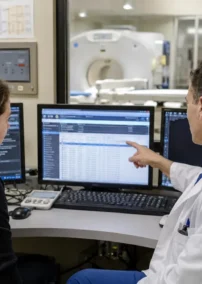
Radiology demand rarely follows a perfectly predictable schedule. A hospital may have adequate coverage during normal operations, then face a sudden increase in imaging volume, multiple radiologist vacations, an open position, or a new service line that changes the daily workload.
Overflow teleradiology coverage gives hospitals and imaging facilities additional reading capacity when their internal team needs support. It can be used temporarily, seasonally, after hours, or as part of a longer-term coverage strategy.
Why Overflow Coverage Matters Now
Radiology departments continue to manage a difficult balance between increasing imaging demand and limited physician capacity. A 2026 American College of Radiology workforce update reported that imaging volumes have grown faster than the number of radiologists, while attrition and subspecialty shortages continue to affect practices across the country. The same report projected imaging growth through 2055 ranging from 17% for MRI to 25% for CT.
These pressures make proactive capacity planning increasingly important. Waiting until a worklist becomes unmanageable can affect turnaround times, referring-provider communication, and the workload placed on the existing radiology team.
Common Reasons Hospitals Add Overflow Teleradiology
Radiologist PTO and Scheduled Leave
Vacations, conferences, parental leave, and other planned absences can create predictable coverage gaps. Overflow support allows the internal team to maintain planned time away while helping the facility keep imaging reports moving.
This is especially helpful during summer, holiday periods, and other times when several team members may request leave.
Staffing Vacancies and Recruitment Delays
Recruiting a qualified radiologist, particularly one with specific subspecialty expertise, can take time. Temporary remote radiology coverage can provide continuity while a hospital completes recruitment, credentialing, and onboarding.
An overflow partner may also help stabilize coverage after a resignation, retirement, or unexpected leave.
Sudden Volume Surges
Emergency department activity, seasonal illness, trauma cases, local events, and referral growth can quickly increase study volume.
Overflow coverage gives a hospital access to additional reading capacity without requiring the internal group to permanently staff for the highest possible volume every day.
New Modalities or Service Lines
Adding MRI, expanding CT availability, opening an outpatient imaging location, or launching a new clinical program can change the mix and complexity of incoming studies.
A remote radiology partner can support the transition by providing coverage for selected modalities, time periods, or subspecialties while the facility evaluates its long-term staffing needs.
Nights, Weekends, and Holidays
After-hours volume can be challenging for smaller teams, especially when urgent examinations require subspecialty review.
Vesta provides 24/7 nationwide teleradiology coverage, including Nighthawk services, weekend and holiday support, and subspecialty interpretations by U.S. board-certified radiologists.
 Plan Before the Backlog Develops
The strongest overflow strategies begin before turnaround times deteriorate.
Hospitals should review historical study volume, peak arrival times, modality mix, staffing schedules, subspecialty requirements, and expected growth. This helps determine where added support will provide the most operational value.
A 2026 ACR article on workforce economics described how flexible coverage models and centralized subspecialty pools helped one radiology group improve access, create more predictable turnaround times, and increase effective capacity without adding headcount.
Recent ACR leadership coverage has also emphasized closer collaboration between radiologists and health-system administrators to improve efficiency, protect quality, and redesign workflows around changing clinical demands.
What to Look for in an Overflow Radiology Partner
A dependable radiology partner should offer more than extra readers. Hospitals should evaluate:
- Coverage hours and scalability
- U.S. board-certified radiologist availability
- Subspecialty expertise
- Turnaround-time expectations
- Quality and credentialing processes
- Communication procedures
- Technology integration
- Reporting and performance visibility
Vesta Teleradiology is Joint Commission accredited and provides flexible remote radiology support for hospitals, urgent care centers, physician offices, and imaging facilities throughout most of the United States.
Coverage can be structured around after-hours demand, temporary staffing gaps, overflow volume, subspecialty needs, or ongoing operational support.
Build Capacity Before It Becomes Urgent
Overflow teleradiology works best as part of a planned coverage strategy. Establishing the relationship, workflow, and technical connection in advance allows a facility to activate additional support when demand changes.
With the right plan, hospitals can protect turnaround performance, support their internal radiologists, and maintain dependable imaging coverage through both expected and unexpected volume changes.
American College of Radiology, The Radiologist Shortage: A Workforce Update from HPI
American College of Radiology, Workforce Economics: How Imaging Practices Are Adapting
American College of Radiology, A Time of Transformation for Radiologists and Administrators