How Does Mobile Imaging Help Improve Patient Care at an Assisted Living Facility?

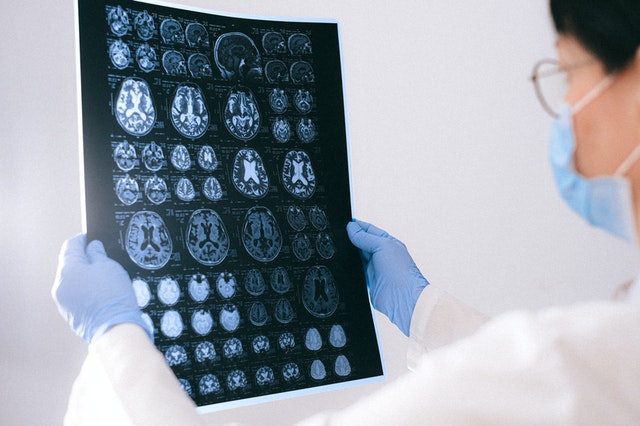
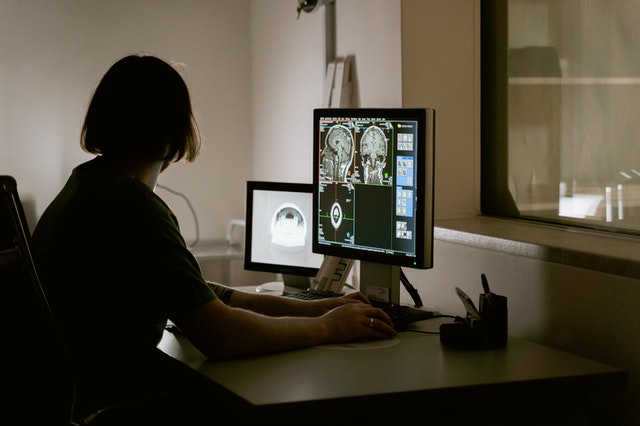
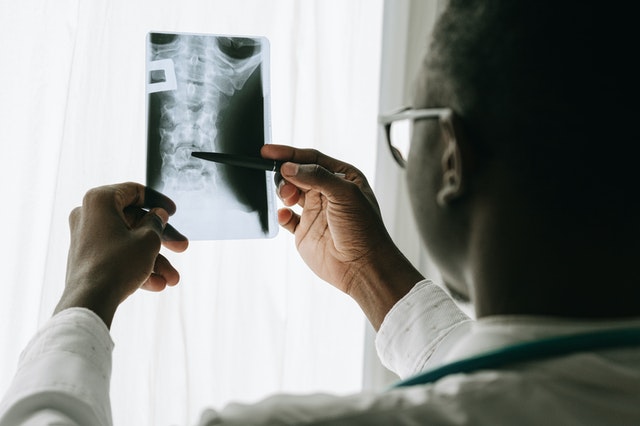
As radiography technology has evolved, so has the experience of the typical resident in a nursing home or assisted living facility. X-rays, CT scans, and ultrasounds are commonly needed to help diagnose residents of these communities with an appropriate treatment plan. The availability of mobile imaging improves patient care and quality of life in a multitude of ways.

assisted living teleradiology
Mobile imaging provides easier access for residents requiring these services.

1. Improved Access

With the immediate availability of mobile imaging onsite, more patients can access this type of diagnostic care. In a study conducted by BMC Health Services, researchers found that without mobile access, the use of diagnostic imaging for nursing home patients decreased by almost a third, from 14,500 to only 10,305. This data suggests that the ease of access to mobile radiography ensures that more patients receive the diagnostic care they need.

2. Fewer Transfers

Many risks are associated with transferring the elderly, especially those with mobility issues. By keeping radiology onsite, fewer transfers to hospitals and other centers will need to occur. A study in Norway found that transfers to a hospital’s radiology department were avoided in 71 percent of cases. This dramatic difference makes patient care simpler and more streamlined, and more importantly, it affords fewer opportunities for the elderly to sustain injuries, thereby increasing patient safety.

teleradiology for nursing home
There are risks associated with transferring the elderly, especially those who have mobility issues.

3. Reduced Spread of Contagious Diseases

The use of mobile imaging can help reduce the spread of contagious diseases like COVID-19. Rather than transferring patients out to imaging centers and increasing the number of people they come into contact with, a nursing home can have in-house imaging staff. A study out of Italy showed the potential for mobile imaging to reduce the spread of COVID-19 when certain safety protocols were followed.

4. Faster Imaging Results

A study conducted in Norway by BMC Health Services Research looked at the results of mobile imaging and found it to be of the same quality as hospital imaging. This research also concluded mobile radiography leads to a faster diagnosis. Offsite imaging can equate to days or weeks of wait time for interpreting results. If a scan is faulty and a patient needs to return for another scan, this wait time can become detrimentally long. With faster results, doctors can work quickly to begin treatment and improve outcomes. 

5. Better Treatment Plans

By having radiology staff on-site, doctors can better prescribe treatment plans specific to a patient’s needs. The aforementioned study in Norway also found that access to treatments improved with onsite mobile imaging in addition to patients receiving more specialized care.

Teleradiology Company that Fits Your Needs

teleradiology services
Vesta has been providing stellar teleradiology services for over 15 years.

For these reasons and more, it is imperative that nursing homes and assisted living communities work with an experienced teleradiology company to improve the quality of care for residents. Vesta Teleradiology provides nighthawk services with expert and customizable interpretations, thereby improving health outcomes for your entire community. Quality patient care is our top priority as well as giving assisted living facility or nursing home operators flexible and cost-effective, expert service.

Sarcoma & Bone Cancer Awareness Month: Newest Technology in Imaging

July is Bone Cancer and Sarcoma Awareness Month. According to the American Association for Cancer Research, in 2021, around 13,000 Americans will be diagnosed with soft tissue sarcoma, while 3,600 will be diagnosed with bone cancer. Luckily, the 5-year survival rate of both types of cancer is fairly high (65 for soft tissue and 66.8 for bone). In a comprehensive study from 1978 to 2004, the survival rate of these types of cancers has improved dramatically, thanks in part to improvements in imaging and early detection.

bone cancer
Sarcoma is a broad term for a group of cancers found in the bone.

Advances in Radiography

While x-ray technology has been used in a health context since 1899, many features surrounding it have changed. X-rays are now more defined with higher resolution, allowing doctors to zoom in to see smaller tumors and other issues. In fact, this past year, scientists at the University of Erlangen-Nuremberg have broken the record for x-ray resolution, down to under 10 nanometers. Furthermore, the process of obtaining can now be digitized, rather than having to use a darkroom to develop scans. These developments make radiology more accessible to patients and provide more immediate results, which helps bone cancer and sarcoma patients get diagnosed earlier when time is of the essence. There are multiple types of radiography used in diagnosing these types of cancer, and specific advances have emerged and evolved the diagnostic process for each type.


Bone Scans

During bone scans, a patient is injected with a tracer that allows oncologists to see abnormalities. Recent changes in bone scans allow doctors to quantify the metastasis of a bone from a scan. Bone scans can sometimes occur as a diagnostic tool before a CT scan, PET scan, or MRI.


CT Scans

CT scans can be ordered with “contrast,” where the patient swallows or takes an IV containing a dye. This can help doctors see certain organs more clearly. These scans can also help doctors see a cross-section of parts of the body and different perspectives of organs than they’d be able to see with a typical x-ray. The latest advancements in CT scans now offerlower radiation exposure by splitting the x-ray beams, making these procedures safer than ever.


PET Scans 

Positron emission tomography (PET) imaging is an emerging tool for bone cancer patients receiving radiation treatments. This tool is now being used increasingly by doctors to monitor tumors between treatments. These advanced scans allow more doctors to receive more information, including receptor expression and metabolism of a tumor. This information helps doctors to understand whether or not a particular type of treatment is working to shrink tumors and to help assess the appropriate dosage.


MRI Scans

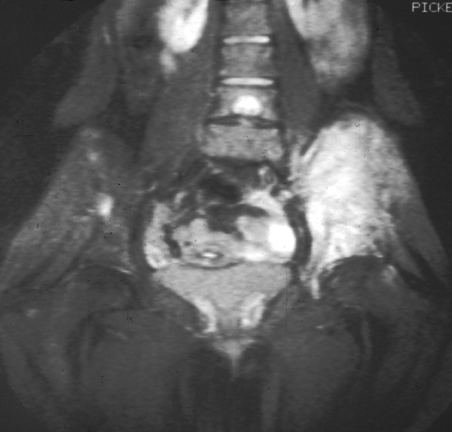
Magnetic resonance imaging or MRI scans help oncologists to see the extent of bone and soft tissue cancers by taking cross-sections of affected organs and allowing them to be displayed at different angles. These are taken around a patient while a patient lies still inside a long tube. The most recent changes in MRI technologyhave occurred on the software side. One relevant change includes faster scan times, thereby reducing costs and discomfort for the patient. Furthermore, multiple layers of contrast can now be taken from a single scan, allowing doctors to highlight different issues easily.

bone cancer imaging
Magnetic resonance imaging (MRI) image of human skeleton. MRI diagnoses Ewing’s sarcoma of the right hip. Source: National Cancer Institute

While bone and soft tissue cancers affect many Americans, advancement in imaging tools helps provide clarity and hope for these patients.

Tech Innovation in Teleradiology

Vesta Teleradiology prides itself in being a top innovator in technology and was even awarded this recognition in 2020 by Technology Innovators. We truly understand the importance of keeping up with medical and technological advancements in radiology, imaging and health.


Come to us for teleradiology services for your outpatient imaging centers, nursing homes, hospitals, mobile imaging, wellness centers and urgent care facilities. Expect flexible yet speedy service, with quality interpretations and customizable reports. Please contact us for a quote.