Benefits of Teleradiology Services for Urgent Care Facilities

Urgent care facility service use has increased substantially in recent years. Urgent care services’ popularity has provided conveniences and cost reductions of medical care needs.

When a patient enters an urgent care facility, the treating provider determines if radiology services will aid in the diagnosis and treatment plan for the patient. A medical assistant or radiology technician will then use the equipment to produce the radiological images.  

Once the technician creates the radiological images, the treating provider will view and diagnose or send the images to an expert at the teleradiology service contracted with the facility.

Broken bones are not the only reason an urgent care patient may access care at a convenient, local care medical facility. Patients arrive at the facilities for possible strokes, abdominal obstructions, complex pediatric ailments, and other health conditions. Expert radiological assessments can be crucial in practical and immediate treatment.

When a patient who needs radiology services accesses an urgent care facility, fast and professional analysis is essential for effective treatment. 

Teleradiology services have fit in nicely with the goals and objectives of the urgent care facilities for various reasons. Not all patients accessing urgent care need radiology services. Although the service can be life-saving if required, the low rate of use does not warrant the staffing of a full-time radiologist at each facility.

Contracting radiology services for these facilities allows a full-time expert to be available at all times, and these cost savings of a full-time employee are significant.

Teleradiology services allow a physician to access experts anywhere in the country. The pool of providers is not only available at any time, but a radiology expert’s conclusive reports can be sent securely and quickly. 

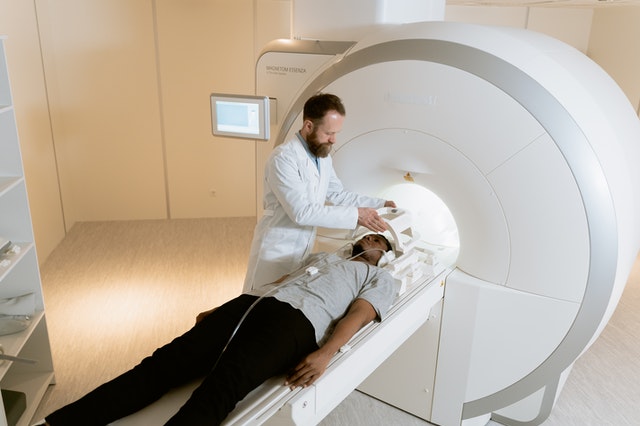
radiology company
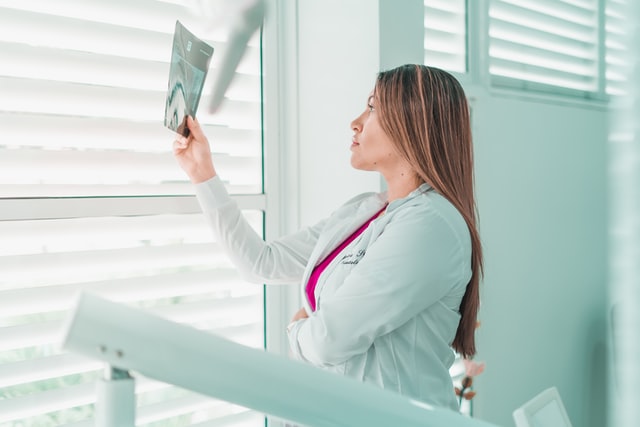
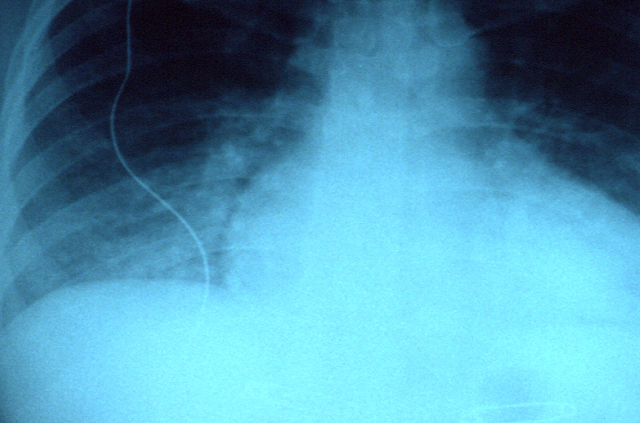
A radiologist reviews an x-ray

If the treating physician has questions about any findings, the radiology expert is easy to reach. This convenience is also possible if the patient or physician requests a second opinion on the results.

With the convenience of radiological expertise availability, urgent care providers can also reduce their professional liability. Providers creating treatment plans for various injuries and symptoms can benefit an urgent care facility contracted with a teleradiological service. Many teleradiology service companies provide a resource for physician consultation. 

Choosing a Teleradiology Company for Your Hospital

Contracting with a teleradiology service can reduce liability for the urgent care facility while increasing and maintaining an excellent public reputation.

The medical care profession has changed drastically over the years, and so have the healthcare consumers. Consumers expect better service, insurance companies expect more conservative costs, and treating physicians need fast results with less liability.

Teleradiology fits nicely into the niche of urgent care facilities because it fits all the criteria of a rapidly changing medical system structure. Teleradiology can be a crucial component for a clinic to provide an ideal service of expert care at an exceptional value.

Teleradiology: Best Providers

Vesta has been providing expert radiology services for over 15 years. We use state of the art technology to streamline your workflow and provide stat readings whenever required. Whether you operate an urgent care center or a private practice our US Board Certified Radiologists are here to help you literally 24×7, even on weekends and nights.


teleradiology services
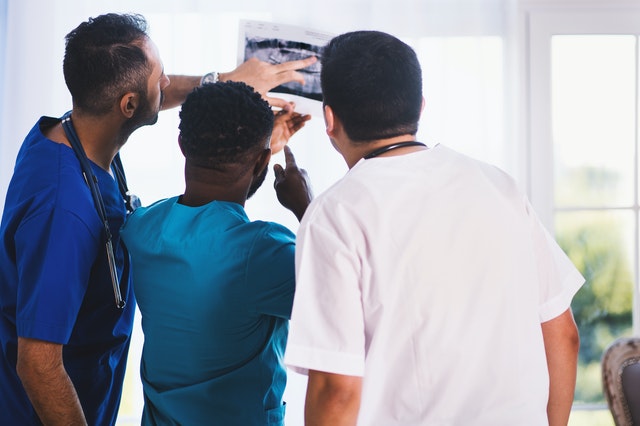
Teleradiologists review an x-ray


Please contact us for a custom proposal and a complimentary overview of our services and technology.

Professional Healthcare Workers: Overcoming Burnout

Healthcare workers on the brink of burnout often feel overwhelmed and out of control. It is difficult for them to describe the exhaustion and fatigue they experience–even at the beginning of a work shift. These feelings intensify as the relentless weeks continue. 

burnout radiologist

A worker’s burnout symptoms can surface in many ways. It can be recognized by a worker’s inability to identify with their job, feelings of inadequacy in their profession, and a weariness that blankets their personal and professional lives. 

Front line health workers have little relief from the expectations of their jobs, and they experience constant requests from people in pain and with desperate needs. Also, staff shortages plague the industry, spreading the work responsibilities to a minimal amount of workers. 


Most health care professionals enter the field with a sincere desire to help other people, but the extreme emotional pressure of the profession can drain even the most dedicated individuals.

Every person’s strategy to get through difficult times is as different as the circumstances that perpetuated the feelings of burnout. Taking just a few minutes to evaluate what has worked in the past is helpful in realizing a starting point for an individualized healing plan.


As a healthcare team or individual, it is constructive to prepare a list of self-care evaluations and strategies to tailor healing plans. Healthcare workers rarely consider self-care at the top of their list of things to do. 


A written checklist reduces the need for a person to think about how to fix yet another problem and provides an avenue to an instant action plan when a healthcare worker’s emotions and nerves are frayed. 


Checklist Suggestions

  • Would a walk or run be helpful right now? 
  • Do you need a safe distance between yourself and others?
  • Sit down, close your eyes and breathe in to the count of 4 and breathe out to the count of 4. Continue until you can relax your shoulders.
  • Would exercise before work be helpful? Maybe walking or riding your bike to work might give you emotional preparation time for the shift? 
  • Do you need fun activities like dancing, singing, camping, or anything else that may give you pleasure? Schedule the time to do that right now.
  • Are you eating healthy food?
  • Are you drinking enough fluids to stay hydrated?
  • Are you sleeping well? If not, what will help you sleep 7 to 9 needed hours? 
  • Are you increasing the use of alcohol and other drugs? If so, do you need help?
  • Are you staying in contact with family and friends for added support?
  • Do you need a friend? Remember, you are part of a team–you are not alone. Many others are working alongside you with similar circumstances or feelings.
  • Do you need additional emotional support?
  • Would journaling about your feelings be helpful to you?

burnout healthcare

The purpose of this checklist is to allow ideas to flow and assist a person in defining the individual needs at any given time. This process also allows healthcare workers to remain in control of their decisions for change.


Management can be instrumental in providing their Healthcare Workers with the needed support to avoid staff burnout. Management can provide added recognition to staff members for the work they do and structure a work environment that encourages self-care.

Vesta Teleradiology: here for you, even on weekends

Vesta – an tech-driven, patient-centered radiology solutions provider–understands the importance of giving healthcare workers the time they need to recharge and rest. That’s why our radiologists work day, nights, weekends and holidays. Look to Vesta for reliable, outsourced radiology interpretations and customized reports for your patients.

Innovations in Cardiac Imaging

In 1895, Wilhelm Rontgen accidentally discovered X-rays. Since then, imaging technology has drastically advanced in all areas of healthcare, including cardiac imaging.

Medical professionals in the 1960s were using ultrasound imaging, and technicians developed Magnetic Resonance Imaging (MRI) and Computed Tomography in the 1970s. With these tools, the advancement of cardiac imaging escalated, creating real-time diagnosis of cardiovascular disease.

Advancing technology allowed cardiac physicians to perform diagnostic cardiac imaging like echocardiography and myocardial perfusion imaging in their medical offices. The trend for in-office imaging moved more to hospital settings because of the reduction of reimbursement rates in 2005 and the rapid technological changes in the industry.

Innovative technology advancement has needed to be a conglomeration of industrial, government, and academic research for cardiac imagery development to advance. Engineers, industry clinicians, and scientists have all participated in any advancements.

Two technology areas in cardiac imaging have had significant development over the past 15 years–nuclear cardiology and echocardiography. 

Nuclear Cardiology

Nuclear Cardiology uses noninvasive techniques to assess and evaluate blood flow and define the internal location of a heart attack. 

Commonly called positron emissions tomography (PET scans) or Computed X-ray tomography (CT scans), physicians can use this technology to discover the extent of heart muscle damage and the heart’s pumping function. 

Nuclear Cardiology has proven to be a superior method for safe and cost-effective diagnosis. Technicians have upgraded cameras, giving physicians higher sensitivity and resolution views than the previous models used.

Echocardiography

Echocardiography uses sound waves to display moving pictures of how heart chambers and valves work. This process can define areas where the heart muscles are not receiving adequate blood flow.

Physicians use echocardiography to locate possible blood clots within the heart and problems with the aorta. Physicians can also detect fluid buildup in the heart’s surrounding sac using echocardiography.

Echocardiography helps detect pediatric heart conditions because of the painless efficiency of the study.

The Future of Cardiac Imagery

Specialists have improved every technological aspect of cardiovascular practice within the past 50 years. Superior refinements in resolutions, measurement processes, and efficiency improve existing processes.

As with most technology-based sciences, the miniaturization of electrocardiography equipment will be the trend. Pocket-sized devices and combining diagnostic modalities through apps and computer applications will keep pace with changing health care practices.

Software development to capture real-time cardiac function and define the health of myocardial tissue is part of the newer developments in the field. Technicians are also refining more affordable methods of Cardiac MRI (Magnetic Resonance Imaging) through research.

A shift in diagnostic technology is advancing in identifying and decreasing cardiovascular risk in patients. Improved imagery will better equip physicians in preventing adverse outcomes. Physicians can more easily define patients’ risk of cardiac issues during exercise and stress-induced blood flow issues.


Another benefit to early detection and assessment of the cardiac disease process through imagery will be a better understanding of all the cardiac elements involved, leading to the development of new pharmaceutical drugs to prolong patient lives. 

cardiac imaging tech
New innovations in cardiac imaging

Cardiac Imagery will always be one of the best diagnostic tools available. Physicians and research teams assessing the cost-effectiveness and better patient outcomes will define the best approaches and safety in patient care management.

Outsourced Radiology

Vesta Radiologists are versed a cardiac imaging reading and a variety of other subspecialties. Further, we work nights and weekends so your staff can get the needed rest they require.

Please contact Vesta for outsourced radiology needs at 1-877-55-VESTA

ICD-10 coding system has been the talk of the town for quite a while. The latest deadline for its hospitals and practices to upgrade from ICD-9 to ICD-10…

4 Key Items For Radiologists Preparing For ICD-10 Implementation Starting

ICD-10 coding system has been the talk of the town for quite a while. The latest deadline for its hospitals and practices to upgrade from ICD-9 to ICD-10 is October 01, 2015. Despite the deadline being delayed a

Vesta Teleradiology (http://www.vestarad.com) has announced it has entered into a contract with Doctors Hospital of the Bahamas to provide sub-specialty radiology services.

Vesta Teleradiology Signs a New Contract with Doctors Hospital of the Bahamas

Vesta Teleradiology has announced it has entered into a contract with Doctors Hospital of the Bahamas to provide sub-specialty radiology services. Vesta Radiology is a pioneer in quality of care and sub specialty radiology medical innovations keeping the medical services of our clients the best in the industry.

Doctors Hospital in Nassau,


Doctors Hospital in Nassau, Bahamas, prides itself on providing acute care services as well as latest medical technology. The hospital provides primary, specialty and sub specialty care both on an in-patient and out-patient basis for medical issues including laboratory services and the latest imaging technology.


Today, the 72-bed Doctors Hospital with over 400 personnel is the highest state of the art acute care privately owned hospital facility in the Bahamas. The Emergency Room at Doctors Hospital is open 24/7 in order to provide patients with the best emergency services. Doctors and nurses on the Emergency Medical Services (EMS) staff must possess Advanced Cardiac Life Support certification.


The contract of Doctors Hospital with Vesta Radiology is testament to the dedication and thrust of Doctors Hospital to continue providing patients with state of the art technology and medical innovations keeping their quality of care rating the best in the islands.

Board-certified radiologists at Vesta Teleradiology will be available to provide sub-specialty radiology readings for the Bahamian hospital in musculoskeletal radiology, neuro, cardiac CT, pediatric, vascular, breast imaging and general radiology. Cynthia Sawyers, Vice President of Operations at Doctors Hospital, advises that the Vesta Teleradiology contract with Doctors Hospital assures the people of the Bahamas have access to the most up to date and specialized radiology services.

Vijay Vonguru, President, Vesta Teleradiology, says, “The ability to provide top innovations in subspecialty medical services to patients no matter where they are located is here and Vesta is proud to be a pioneer in bringing these services to the hospitals even in remote areas.” Along with sub-specialty and night-hawk coverage to hospitals, Vesta provides 24x7x365 radiology coverage to Imaging centers, Portable X-Ray and Ultrasound companies, specialty doctor’s offices and Urgent care centers.

Please visit https://www.vestarad.com or send email at “sales@vestarad.com” for any further queries.