What to Expect at RSNA 2026: Speakers, AI Innovations, Exhibits, and More

If you’re heading to Chicago for RSNA 2026, you’ll have plenty to explore, from emerging medical imaging technologies and artificial intelligence to educational sessions led by some of radiology’s most respected professionals. With hundreds of exhibitors and thousands of industry professionals gathering under one roof, deciding where to spend your time may be one of the biggest challenges.

RSNA 2026 takes place November 29 through December 3 at McCormick Place in Chicago. This year’s theme, At the Center of Care, highlights the important role radiology plays in diagnosis, treatment, and patient care.

Here’s a look at some of the speakers, programs, and innovations worth adding to your schedule.
RSNA 2026

More Than 700 Exhibitors Showcasing Radiology Technology

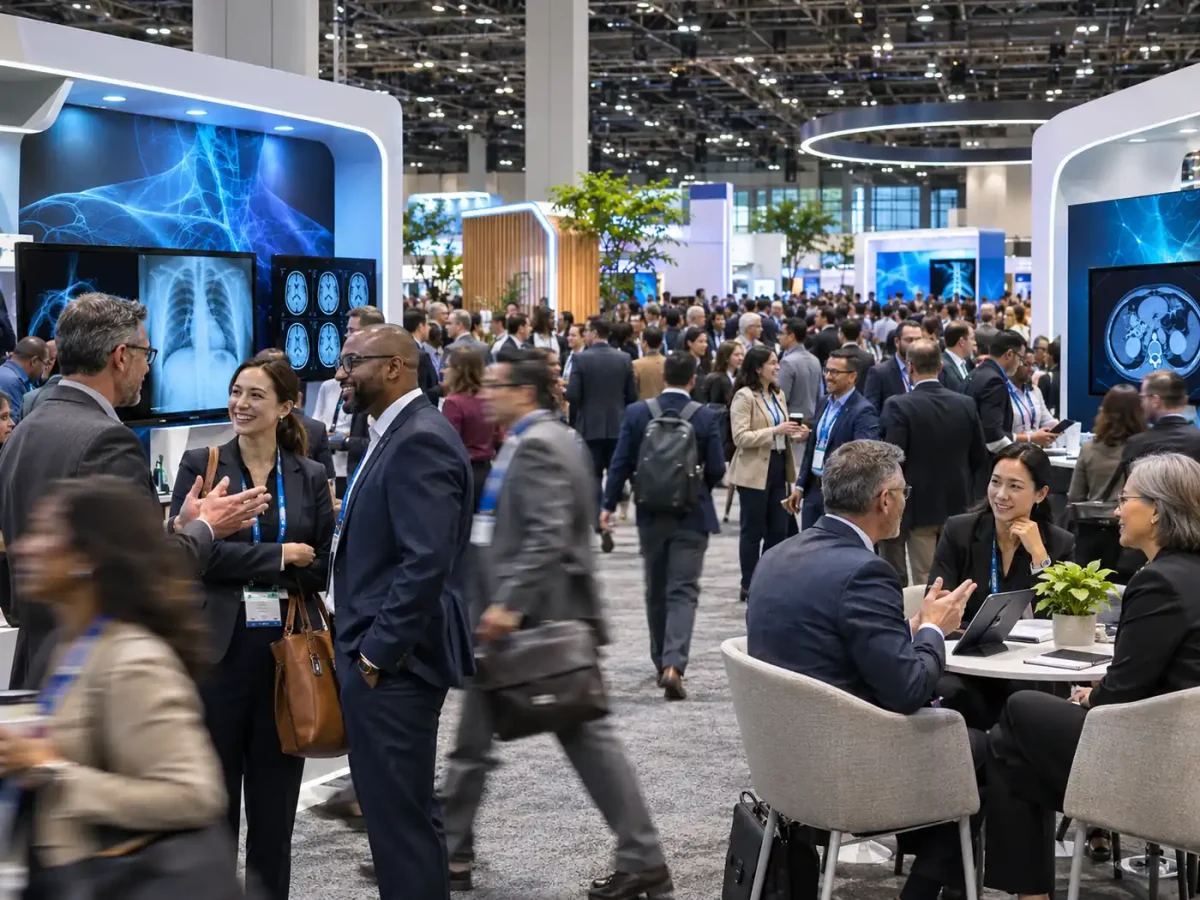
The Technical Exhibits are among the biggest attractions at RSNA, featuring more than 700 companies across approximately 421,000 square feet of exhibition space.

Attendees can explore advancements in CT, MRI, ultrasound, image processing, radiology reporting, and technologies designed to improve clinical operations. More than 120 first-time exhibitors are also expected, providing opportunities to discover newer companies and emerging solutions.

For hospital administrators and radiology directors, the exhibit floor offers a chance to compare technologies, meet service providers, and discuss how different solutions may integrate with existing imaging workflows.

Technical Exhibit Hours: November 29–December 2, 10 a.m.–5 p.m. CT.

AI Showcase and Emerging Imaging Technologies

Artificial intelligence continues to attract considerable attention in radiology, and RSNA 2026 will provide opportunities to explore how AI-assisted technologies are being developed and incorporated into clinical practice.

Located in South Hall A, the AI Showcase will feature companies demonstrating applications involving image analysis, workflow prioritization, reporting assistance, and other areas of diagnostic imaging.

Attendees can also visit Innovation Park, which includes a Startup Showcase, Innovation Theater, and First-Time Exhibitor Pavilion. These areas highlight emerging technologies and offer opportunities to meet developers working on new approaches to radiology.

Beyond the demonstrations, AI governance, clinical oversight, and system compatibility remain important considerations for healthcare organizations evaluating these technologies.

Notable Speakers at RSNA 2026

This year’s plenary sessions feature radiology leaders discussing clinical innovation, healthcare leadership, emergency preparedness, and patient-centered care.

Jeffrey S. Klein, MD — At the Center of Care

Sunday, November 29 | 4 p.m. CT

RSNA President Dr. Klein will deliver the President’s Address, exploring radiology’s evolving role in patient care, medical innovation, and multidisciplinary healthcare.

Jonathan S. Lewin, MD — Seeing Beyond the Image

Sunday, November 29 | Opening Session

Drawing on his experience as a radiologist and health system CEO, Dr. Lewin will discuss leadership lessons that extend from the reading room into healthcare administration.

Gwendolyn M. Bryant-Smith, MD — Breast Radiology at the Center of Care

Monday, November 30 | 11 a.m. CT

Dr. Bryant-Smith will examine advancements in breast imaging, multidisciplinary collaboration, and approaches to improving access to patient-centered care.

Mark P. Bernstein, MD — Mass Casualty Incidents: The Role of Radiology

Tuesday, December 1 | 11 a.m. CT

This presentation explores how radiology departments contribute during mass casualty incidents, including the challenges of coordinating emergency imaging services.

Janice M. Newsome, MD — From Pixels to People

Tuesday, December 1 | 1:30 p.m. CT

Dr. Newsome will discuss humanism, equity, and artificial intelligence in interventional radiology, examining how technological advancements intersect with patient care.

Interactive Sessions and Special Programs

Beyond the plenary presentations, RSNA 2026 includes interactive programs that allow attendees to test their diagnostic skills and explore complex clinical cases.

Image Interpretation Session — November 30

Moderated by Amy K. Patel, MD, this popular session challenges five imaging experts to interpret previously unseen cases across multiple radiology subspecialties.

RSNA/AAPM Symposium — December 1

From Concept to Clinic examines how collaboration between radiologists and medical physicists can advance musculoskeletal imaging.

It’s Complicated: Post-Treatment Cases — December 2

This returning game-show-style program features teams of radiologists competing to interpret challenging post-treatment cases, offering an engaging approach to diagnostic learning.

Networking and Radiology Workflow Discussions

RSNA also brings together radiologists, researchers, imaging technologists, hospital administrators, and healthcare technology professionals from around the world.

Alongside the educational sessions, attendees can participate in vendor workshops, industry presentations, and networking activities covering clinical workflows, imaging interoperability, radiologist availability, and operational efficiency.

For smaller hospitals and outpatient imaging centers, these discussions offer opportunities to explore practical approaches to managing imaging workloads and maintaining access to specialized expertise.

Visit Vesta Teleradiology at RSNA 2026!

Vesta Teleradiology is excited to join the radiology community in Chicago! As a nationwide provider of 24/7 teleradiology services, Vesta supports hospitals and imaging centers with Nighthawk coverage, overflow interpretations, subspecialty reads by U.S. board-certified radiologists, and radiologist-led AI-assisted imaging support.

Stop by Booth #1153 to meet our team, learn about our services, and enter our Ray-Ban Meta glasses giveaway. Visit the booth and have your badge scanned to enter.

We look forward to seeing you at RSNA 2026!

Plan Your RSNA 2026 Visit

With so many sessions, exhibits, and networking opportunities available, reviewing the schedule ahead of time can help you make the most of your visit.

Visit the official RSNA 2026 Annual Meeting website for registration, program details, and updates.

Sources

  1. RSNA — 2026 Annual Meeting
  2. RSNA — 2026 Technical Exhibits
  3. RSNA — 2026 Plenary Speakers and Special Programs
  4. RSNA — Annual Meeting FAQs


Emergency Room X-Ray Overread Services: Building Reliable Coverage Beyond Business Hours

Emergency rooms operate around the clock, and imaging demand does not slow down just because the daytime radiology schedule has ended.

A patient may arrive late at night with a suspected fracture, chest pain, shortness of breath, or another condition that requires imaging. Whether the facility is a hospital-affiliated emergency department or a freestanding emergency room, the care team needs dependable access to radiology interpretation without creating delays or unnecessary backlogs.

That is where emergency room X-ray overread and teleradiology services can become an important part of the imaging workflow.

Why After-Hours Emergency Radiology Coverage Matters

Emergency imaging volume can change quickly. Nights, weekends, holidays, trauma cases, respiratory illness, local events, and unexpected surges can all increase demand.

The broader radiology environment is also under pressure. In September 2026, the American College of Radiology noted that imaging utilization continues to grow and that simply asking radiologists to interpret more studies faster is reaching practical limits.

For emergency departments, that makes dependable access to interpreting physicians increasingly important. Remote radiology can provide additional capacity without requiring every facility to maintain full onsite radiology staffing around the clock.

What Is an X-Ray Overread Service?

An X-ray overread service provides physician interpretation of imaging performed at another clinical location. In emergency settings, the model can be structured in several ways.

A facility may need final reads for all X-rays performed overnight. Another may use remote radiology only during certain shifts. A hospital system may rely on teleradiology to support multiple emergency departments, while a freestanding emergency room may use remote coverage as a core part of its imaging model.

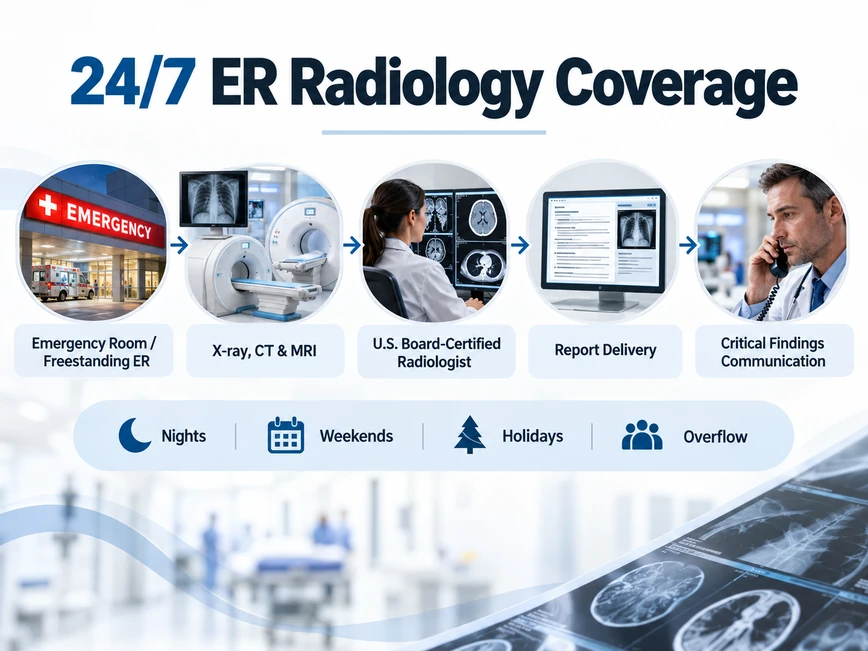
The right setup depends on operating hours, modality mix, staffing, volume, and clinical needs. The goal is to create a dependable path from image acquisition to radiologist interpretation, report delivery, and communication back to the treating team.

Coverage Should Match the Reality of Emergency Care

Emergency departments cannot rely on a traditional 9-to-5 radiology model. Imaging demand continues through evenings, overnight shifts, weekends, and holidays.

Vesta Teleradiology provides 24/7 nationwide teleradiology coverage, giving emergency departments access to U.S. board-certified radiologists during nights, weekends, holidays, and periods of increased demand.

That flexibility can be especially useful for health systems with multiple emergency departments as well as freestanding emergency rooms that need dependable interpretation without maintaining a full onsite radiology team at every location.

Multi-Site Emergency Coverage Requires Consistency

Hospital systems may operate several emergency departments across a region, while freestanding emergency room groups may manage multiple locations with different staffing and imaging volumes.

Without a centralized reading strategy, each site can develop its own process for routing studies, receiving reports, and handling communication.

A teleradiology model can help standardize those steps across locations. That may include:

  • Consistent report delivery
  • Centralized access to radiologists
  • Defined turnaround expectations
  • Standard escalation procedures
  • Coverage across multiple emergency locations
  • Flexible reading capacity during volume spikes

Consistency becomes increasingly important as emergency networks grow.

24/7 emergency radiology workflow for hospital and freestanding emergency rooms

Workflow Integration Matters Just as Much as Coverage

The interpretation itself is only one part of the process. Images need to move reliably from the emergency department to the radiologist, and reports need to return to the appropriate clinical system without creating another disconnected workflow.

Federal health IT initiatives continue to emphasize this issue. In its 2026 standards bulletin, the Office of the National Coordinator for Health Information Technology highlighted the importance of exchanging imaging references so clinicians can access relevant imaging and connect clinical systems with studies stored in PACS environments.

For emergency departments, the practical takeaway is straightforward: remote radiology should fit into the existing imaging and reporting workflow rather than create additional steps for clinical staff.

What About More Complex or Critical Findings?

Emergency imaging frequently involves findings that may require timely communication back to the treating team.

A fracture, pneumothorax, pneumonia, intracranial abnormality, bowel obstruction, or other clinically significant finding may need more than routine report delivery.

That is why emergency departments should evaluate more than turnaround time. They should also ask:

  • How are critical and important findings communicated?
  • Who is contacted after normal business hours?
  • What happens when an emergency physician needs to speak directly with the radiologist?
  • How are reports returned to the facility?
  • Can coverage scale when emergency imaging volume increases?

Those answers help determine whether the service truly supports emergency care rather than simply generating reports.

A Flexible Option for Freestanding and Hospital-Affiliated Emergency Rooms

Not every emergency department needs the same coverage model. Some facilities need overnight support. Others need full-time interpretation, weekend and holiday coverage, overflow capacity, backup coverage, or access to additional subspecialty expertise.

A flexible model allows radiology support to match the actual workload.

Vesta Teleradiology provides 24/7 nationwide coverage, Nighthawk services, overflow support, and subspecialty radiology services from U.S. board-certified radiologists, with workflows tailored to the needs of both hospital-affiliated emergency departments and freestanding emergency rooms.

Frequently Asked Questions

What is an emergency room X-ray overread?

An X-ray overread is a physician interpretation of an imaging study performed in an emergency department or freestanding emergency room. Depending on the coverage model, the radiologist may provide a final interpretation or another agreed-upon form of reporting.

Can teleradiology cover emergency departments overnight?

Yes. Teleradiology can be structured to provide overnight, weekend, holiday, overflow, backup, or continuous 24/7 coverage depending on the facility’s needs.

Can one teleradiology provider support multiple emergency room locations?

Yes. A centralized reading model can support multiple hospital-affiliated or freestanding emergency locations while helping standardize reporting, communication, and coverage procedures across the organization.

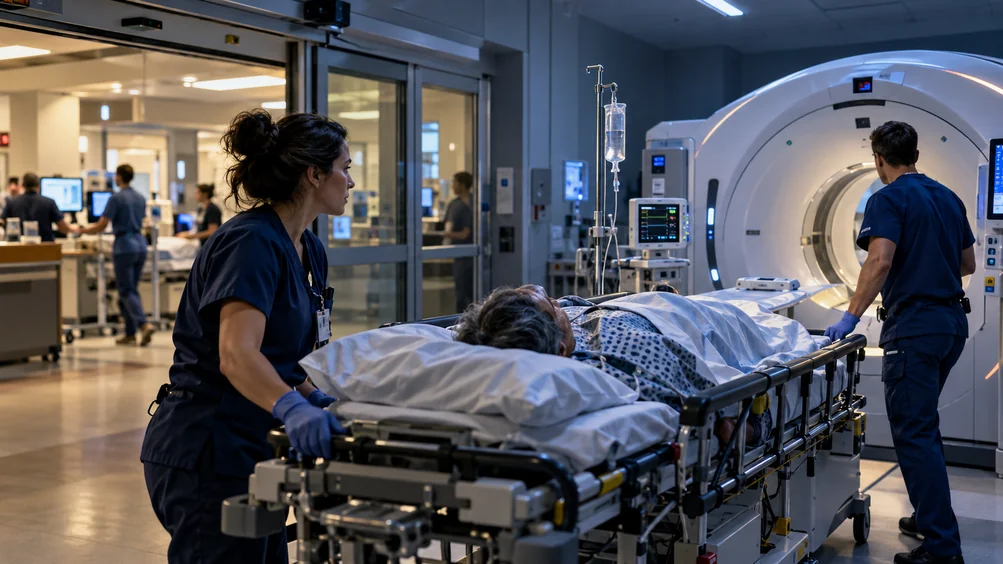
Can teleradiology support more than X-rays in theEmergency room patient being prepared for a CT scan during after-hours imaging emergency department?

Yes. Depending on the facility’s coverage model, teleradiology can support CT, MRI, X-ray, and other imaging modalities as well as access to subspecialty interpretation.

Need dependable radiology coverage for your emergency department or freestanding ER? Contact Vesta Teleradiology to discuss 24/7, Nighthawk, overflow, and customized radiology support.

Sources

Reduced Radiation Exposure in Imaging

Medical imaging is a powerful tool for diagnosing and treating medical conditions; however, it can also expose patients to excess radiation levels. Fortunately, recent technological advancements have resulted in the development of new ways to reduce radiation exposure during imaging.

Here are a few ways these advancements are helping patients receive the care they need while reducing their radiation exposure.

New Guidelines

Clinicians have always used guidelines for the use of CT scans. Still, they recently developed new guidelines for the benefit of CT scans on the head, neck, chest, and abdomen/pelvis areas of the body–especially in pediatric practice.

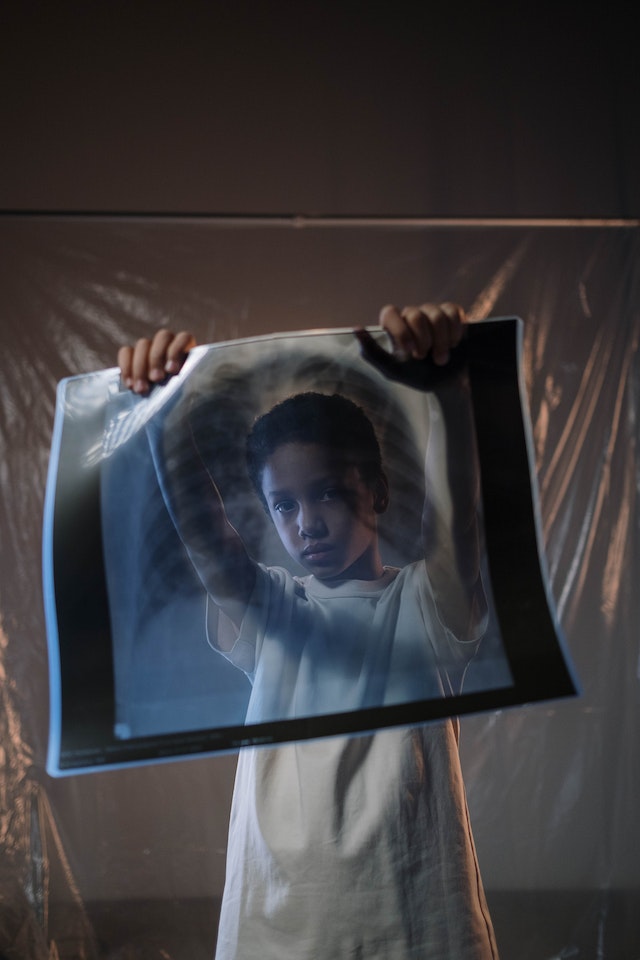
x-ray safety for kids
New guidelines for CT scans


Clinicians can reduce or eliminate the need for CT scans if the child is awake and alert, if the blood work is normal, and if the patient is not experiencing abdominal pain.

A study of 146 children not exposed to the excess CT scan radiation using the new guidelines showed no clinically significant missed injuries.

Smart Software

One of the most significant advancements in this area is using smart software to reduce radiation dose in computerized tomography (CT) scans. This software analyzes patient size, age, and other factors to determine the dosage necessary for an accurate scan that minimizes radiation exposure. In some cases, reducing radiation doses by up to 90 percent has been possible without any decrease in diagnostic accuracy.


Lower Radiation Levels in the New CT Machines

In addition to using innovative software to reduce doses, researchers are also looking at new technologies, such as low-dose CT machines, that can achieve similar results without any additional processing needed.


Technicians have designed these machines with unique components that limit X-ray emissions while still providing high-quality imaging. As a result, patients can receive the same level of care without worrying about unnecessary radiation exposure.


Reducing Radiation Exposure with Ultrasound

Finally, reducing radiation exposure through ultrasound technology is more progressive. For clinicians using sound waves instead of X-rays or other forms of energy, ultrasound technology can provide doctors with highly detailed imaging with no risk of exposing patients to dangerous radiation levels.

Ultrasound is an ideal option for pregnant women and children who may be more sensitive to the effects of radiation than adults.

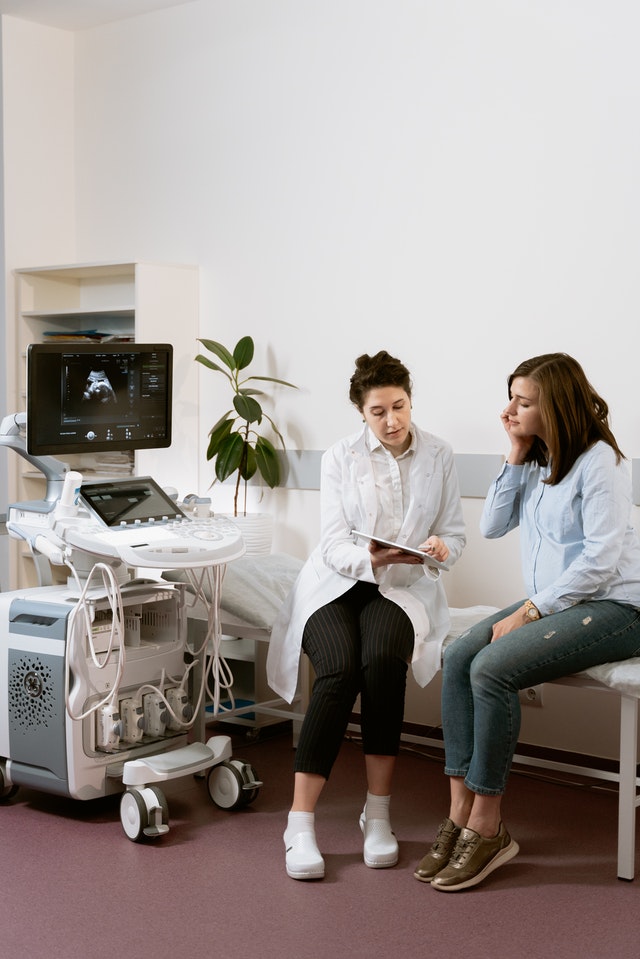
vesta teleradiology for women's wellness centers
An ultrasound tech consults a patient

Recent advancements have made it easier for medical professionals to provide high-quality care while minimizing their patients’ exposure to harmful radiation.

With the medical profession redefining the guidelines, using low-dose scans, better x-ray machinery, and more ultrasounds, many options are now available for reducing radiation exposures during imaging procedures—all without sacrificing diagnostic accuracy or quality care.

That’s great news for anyone who needs an imaging scan but wants to ensure they’re taking steps to protect their health and safety!