
CY 2026 Physician Fee Schedule: What Imaging Leaders Should Watch (and Why “Average” Doesn’t Apply)

Every year, the Medicare Physician Fee Schedule (PFS) creates ripple effects across imaging—often in ways that don’t show up in headlines. In late 2025, CMS released the CY 2026 PFS final rule, effective January 1, 2026. 

Here’s the most important operational truth for radiology leaders in 2026:

The revenue impact isn’t uniform—so “average change” isn’t actionable

Even if the overall conversion factor movement looks modest, imaging departments don’t bill an “average” service. You bill your mix of modalities, your setting, your patient population, and your staffing model.

That’s why the right response to the 2026 PFS is not a quick budget adjustment—it’s a targeted modeling exercise.

What to model first (a simple sequence that works)

Instead of trying to interpret every line of the rule at once, start by modeling what can materially impact decisions:

1) Modality mix

Break your radiology work into buckets that align with how your service lines actually function:

  • CT
  • MR
  • X-ray
  • Ultrasound
  • Nuclear Medicine / PET
  • Interventional (if applicable)

Then estimate the revenue shift by bucket based on your billed codes and volumes.

2) Code mix inside each modality

Within CT or MR, the mix matters:

  • ED-heavy vs outpatient-heavy patterns
  • Trauma and stroke volumes vs routine follow-ups
  • High-complexity oncology imaging vs general imaging

Small per-code shifts can become meaningful if a code represents a high-volume pathway.

3) Setting and coverage realities

Your operational plan should reflect how studies arrive and when they must be read:

  • ED surges
  • Nights/weekends
  • Seasonal peaks
  • Staff vacation coverage

If you model reimbursement without modeling coverage demands, you risk cutting resources that protect throughput and clinician satisfaction.

Why the conversion factor is only the starting point

The PFS conversion factor tends to get the most attention, but radiology leaders often feel the downstream effects through:

  • Service line prioritization (what gets resourced vs delayed)
  • Pressure to improve productivity and reduce “avoidable” repeats
  • Coverage decisions (especially after-hours)
  • Subspecialty availability (which can impact quality and clinician confidence)

Professional societies also track conversion-factor details and implementation considerations for specialties impacted by the rule. 

A practical 2026 strategy: protect throughput, not just budget

A department that protects patient flow and ED throughput often becomes more valuable—even in tight reimbursement environments. Three operational levers tend to produce outsized returns:

1) Standardize protocols where possible

Reducing variation can lower repeat imaging and improve consistency.

2) Reduce time-to-read friction

Worklist management, routing, and coverage planning can take pressure off your core team.

3) Ensure subspecialty access when it matters

Oncology, neuro, MSK, and complex body imaging are often the studies that drive high clinical impact—and the highest risk when resources are stretched.

Where Vesta helps

If your 2026 modeling shows that coverage needs to be more flexible—without compromising quality—Vesta Teleradiology can help you stabilize operations with scalable subspecialty interpretation for overflow, after-hours, or targeted service lines.

If you want to pressure-test your coverage model against your real modality and code mix, visit https://vestarad.com.

The Radiologist Shortage in 2026: Coverage Models That Actually Work

By 2026, many imaging leaders have reached the same conclusion: the answer to workforce pressure isn’t simply “hire harder.” Demand remains high, burnout is real, and subspecialty gaps can be difficult (or impossible) to fill quickly.

That’s why the most resilient organizations are redesigning coverage: building models that protect turnaround time, clinical confidence, and staff sustainability.

The shortage isn’t just a feeling—it’s showing up in projections

Recent research and analysis have focused on projecting radiologist supply and imaging demand over the coming decades, highlighting the risk of persistent shortages if current conditions continue. The Neiman Health Policy Institute summarized companion studies published in JACR projecting supply and demand trends through 2055.

The operational translation is simple: if your department plans like staffing will “normalize soon,” you may be planning for a world that doesn’t arrive on schedule.

What breaks first when coverage is thin

When departments run lean, the pain doesn’t spread evenly. It concentrates in predictable places:

  • Nights and weekends (coverage strain + fatigue)
  • ED/inpatient surges (worklist spikes)
  • Subspecialty-demand studies (oncology, neuro, MSK, complex body)
  • Communication friction (more callbacks, more clinician dissatisfaction)

The hospitals that stay stable build models that defend those pressure points first.

Coverage models that work in 2026

Infographic showing four radiology coverage models: core plus overflow, dedicated after-hours, subspecialty on-demand, and hybrid scheduling to reduce burnout and protect turnaround time.

Here are four models that are proving practical in the real world:

1) “Core + overflow” (daytime stability, surge protection)

Your in-house team remains the core, but overflow coverage prevents backlog spirals when volume spikes. This is especially useful during:

  • seasonal peaks
  • staffing gaps (vacations, sick leave)
  • new service line growth

2) Dedicated after-hours coverage (protect your daytime team)

Instead of stretching your day staff into nights, create a defined after-hours plan. The goal is not just coverage—it’s preventing cumulative fatigue that degrades performance over time.

3) Subspecialty on-demand (quality where it matters most)

Rather than trying to hire every subspecialty locally, many hospitals use targeted subspecialty coverage for:

  • oncology staging/follow-up
  • neuro pathways
  • high-impact MSK cases
  • complex body imaging

This reduces risk and increases clinician confidence—without requiring full-time local recruitment for every niche.

4) Hybrid scheduling (reduce burnout and stabilize throughput)

Hybrid models combine:

  • predictable in-house shifts for continuity and relationships
  • external support to protect turnaround time and reduce overtime

These models can also support recruitment—because fewer radiologists want “always-on” schedules in 2026.

How to evaluate whether your model is working

Pick metrics that reflect real operational health:

  • Median and 90th percentile TAT by modality
  • Backlog hours at key times (end of day, weekends)
  • Discrepancy trends / peer review signals
  • Clinician satisfaction or complaint patterns
  • Radiologist overtime hours and call burden

If those metrics are improving, your model is working—even if you still feel “busy.”

Where Vesta fits

Vesta Teleradiology supports hospitals with flexible coverage models—overflow, nights/weekends, and subspecialty interpretation—built to protect turnaround times and clinical confidence without overloading your core team.

If you’re redesigning coverage for 2026, start with your pressure points and build outward. Learn more at https://vestarad.com.

Navigating 2025 Medicare Reimbursement Changes: What Healthcare Providers Need to Know About CCTA and Imaging Services

The 2025 Medicare reimbursement updates bring significant changes for healthcare providers, particularly in coronary computed tomography angiography (CCTA) and other imaging services. While CCTA reimbursement rates have increased, the overall Medicare Physician Fee Schedule (MPFS) faces a 2.83% reduction in the conversion factor, impacting reimbursement for many radiology procedures (CMS, 2025 MPFS Final Rule).

Healthcare providers must navigate these reimbursement shifts carefully to maintain financial stability while continuing to offer high-quality imaging services.


CCTA Reimbursement Increases: What It Means for Healthcare Providers

One of the most notable changes in 2025 is the increased reimbursement for CCTA procedures. CMS has reclassified key CCTA billing codes (CPT 75572, 75573, and 75574) into a higher Ambulatory Payment Classification (APC 5572), effectively doubling the payment rate from $175.06 in 2024 to $357.13 in 2025 (Society of Cardiovascular Computed Tomography, 2024).

This increase recognizes the growing importance of CCTA in diagnosing coronary artery disease and aligns reimbursement with the true cost of performing these procedures (American College of Radiology, 2024).

Why This Matters for Imaging Centers & Hospitals

  • Higher reimbursement rates make it more feasible for facilities to invest in CCTA technology and training.
  • More healthcare facilities may begin offering CCTA, increasing early detection and diagnosis of cardiovascular condition. (auntminnie.com)
  • Billing teams must adjust their coding practices to ensure proper reimbursement under the new APC classification.
  • Increased demand for CCTA interpretations means imaging centers may need additional subspecialized radiologists to handle workflow efficiently.


The 2.83% Reduction in Medicare Physician Fee Schedule (MPFS) & Its Impact on Imaging Services

Despite higher CCTA reimbursement, the 2025 MPFS introduces an overall 2.83% reduction in the conversion factor, lowering it from $33.2875 per Relative Value Unit (RVU) in 2024 to $32.3465 per RVU in 2025. (tctmd.com)

Key Impacts on Imaging Facilities

  • Many high-volume imaging procedures will see reduced Medicare payments, including mammography and ultrasound.
  • Global reimbursement rates remain stagnant or have been cut for many procedures
  • Providers must evaluate their imaging service mix to determine how reimbursement cuts will affect their bottom line (American College of Radiology, 2024).
  • Workforce costs remain a concern, as imaging centers must balance reimbursement fluctuations with staffing needs.

How Teleradiology Can Help Healthcare Facilities Adapt to Reimbursement Challenges

As imaging centers and hospitals adjust to the 2025 Medicare changes, outsourcing radiology interpretations through a trusted teleradiology provider like Vesta Teleradiology can help offset financial pressures while maintaining high-quality imaging services.

Key Benefits of Teleradiology in the 2025 Reimbursement Landscape

Reduce on-site radiology costs

    • Instead of hiring full-time, in-house radiologists for subspecialties like cardiac CT or breast imaging, facilities can outsource interpretations to Vesta’s U.S.-trained, board-certified radiologists
    • This allows hospitals and imaging centers to scale their services without the overhead of additional full-time staff.

Ensure subspecialty coverage without staffing challenges

      • The increased demand for CCTA interpretations due to higher reimbursement rates means that having access to experienced cardiovascular radiologists is essential.
      • Vesta provides access to subspecialized radiologists in cardiology, musculoskeletal imaging, neuroradiology, and more. 

Improve turnaround times without hiring additional radiologists

    • With lower reimbursements and tight budgets, imaging centers must optimize workflow efficiency.
    • Vesta’s 24/7 coverage ensures rapid turnaround times for both STAT and routine reads, allowing facilities to handle increased CCTA volume efficiently (Radiology Business, 2024). 

Scalable radiology solutions for uncertain reimbursement environments

    • Since Medicare rates fluctuate, hospitals and imaging centers need flexibility in their radiology staffing models.
    • Teleradiology allows facilities to scale services up or down based on reimbursement trends, patient volume, and staffing needs (American College of Radiology, 2024).


Preparing for the 2025 Medicare Reimbursement Landscape

Reimbursement for radiology services is evolving, with higher CCTA payments but an overall MPFS reduction affecting many imaging services.

Hospitals, imaging centers, and outpatient facilities must reassess their radiology staffing and billing practices to stay financially stable.

Teleradiology provides a cost-effective solution to help healthcare facilities manage these changes, optimize workflow, and maintain high-quality imaging services.

With Vesta Teleradiology’s flexible radiology solutions, healthcare providers can navigate reimbursement challenges while ensuring excellent patient care.

Want to discuss how Vesta Teleradiology can support your facility through these reimbursement changes? Contact us today!


Finding the Right Teleradiology Company: Why Subspecialty Expertise Matters More Than Ever

As the demand for specialized medical imaging continues to rise, healthcare facilities face significant challenges in accessing qualified radiologists, particularly in subspecialties such as neuroradiology, musculoskeletal radiology, and pediatric imaging. This shortage is exacerbated in rural hospitals and underserved areas, where recruiting and retaining subspecialty radiologists is often difficult. Partnering with a teleradiology company that offers subspecialty expertise has become essential for ensuring timely and accurate diagnoses.​

The Growing Demand for Subspecialty Teleradiology

Several factors contribute to the increasing need for subspecialty teleradiology services:​

  • Aging Population: The U.S. population aged 65 and older grew by 38.6% from 2010 to 2020, leading to a higher demand for imaging services. ​acr.org
  • Radiologist Workforce Shortage: Approximately 56.4% of diagnostic radiologists are 55 or older, indicating a significant portion of the workforce is nearing retirement. ​medicushcs.com
  • Increased Imaging Utilization: Advancements in medical imaging technology have led to more frequent use of imaging studies, increasing the workload for radiologists. ​acr.org

These trends underscore the necessity for teleradiology services that provide access to subspecialty-trained radiologists, ensuring that healthcare providers can meet the growing demands of patient care.​

Supporting Rural Hospitals and Underserved Areas

Rural hospitals often face unique challenges in providing comprehensive radiology services due to limited access to subspecialty radiologists. Teleradiology bridges this gap by enabling remote interpretation of imaging studies, allowing rural healthcare providers to offer quality healthcare services locally and at lower costs. ​ruralhealthinfo.org

rural radiologistsHow Vesta Teleradiology Provides Specialized Radiology Support
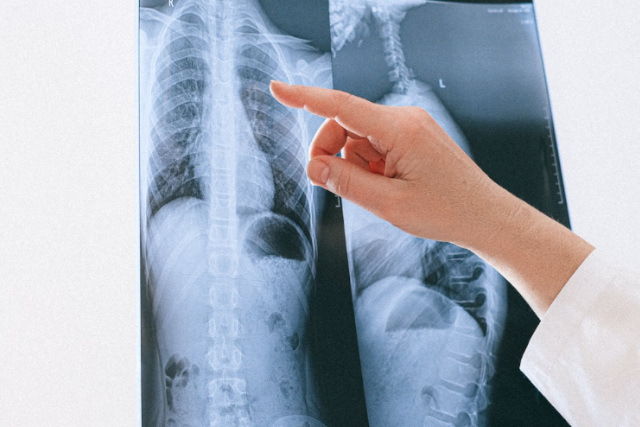
Vesta Teleradiology addresses these challenges by offering comprehensive teleradiology services nationwide, including:​

  • Access to Subspecialty-Trained Radiologists: Vesta provides access to a wide range of highly specialized, U.S.-trained, and American Board of Radiology-certified radiologists proficient in various modalities.​ 
  • Customizable Reporting and PACS Solutions: Our reporting module allows customization of reports to include the facility’s logo and adjust layouts to match existing reports. Our comprehensive PACS enables the creation of master accounts with sub-accounts, facilitating seamless integration into existing workflows.​ 
  • 24/7 STAT and Routine Reads: We interpret both STAT and routine cases, delivering detailed interpretations with quick turnaround times (Ohio, Illinois, Arizona, Georgia, Florida and more). Our flexible workflow supports various facility needs, from portable imaging units to stand-alone imaging centers and hospitals handling high-end cases.​ 
  • Efficient Communication with Referring Physicians: Our case managers facilitate communication between our radiologists and the facility’s referring physicians to answer questions and relay positive findings promptly. We customize the notification of significant findings to different recipients based on the time of day.​
Why Subspecialty Teleradiology Matters for Patient Care

Utilizing subspecialty-trained radiologists through teleradiology services like Vesta ensures:​

  • Accurate Diagnoses: Specialized radiologists are adept at identifying subtle findings specific to their area of expertise, leading to precise diagnoses.​ 
  • Timely Treatment: Quick access to expert interpretations facilitates prompt decision-making and initiation of appropriate treatments.​ 
  • Cost Efficiency: Accurate and timely diagnoses can reduce unnecessary tests and procedures, optimizing healthcare resources.​
The Right Teleradiology Partner Makes All the Difference

Choosing a teleradiology provider with subspecialty expertise is crucial for delivering high-quality patient care. Vesta Teleradiology offers:​

  • U.S.-trained, board-certified subspecialists
  • Fast, detailed interpretations with high accuracy
  • Seamless PACS and reporting system integration
  • Dedicated support and case management
  • Reliable coverage for rural and critical access hospitals

By partnering with Vesta Teleradiology, healthcare facilities can enhance their diagnostic capabilities, improve patient outcomes, and efficiently manage increasing imaging demands.


Advancing Healthcare Access: Teleradiology Support for Rural Hospitals in Illinois and Ohio

Access to quality healthcare in rural areas can be a significant challenge. For communities in Illinois and Ohio, where many rural hospitals and outpatient centers serve as lifelines, ensuring timely and accurate radiological services is crucial. As a teleradiology company, we specialize in bridging this gap by offering high-quality diagnostic imaging interpretation, ensuring rural healthcare providers can deliver top-tier care to their patients.

Recent Developments in Healthcare Laws Impacting Illinois and Ohio

  1. Medicare Reimbursement Changes (2025)

Rural hospitals in Illinois and Ohio, many of which rely heavily on Medicare funding, continue to face challenges with reimbursement rates. Adjustments to the Medicare Physician Fee Schedule have historically impacted imaging services, including reductions in the professional component payments for certain procedures like X-rays and MRIs. These changes highlight the importance of cost-effective solutions for maintaining high-quality care.

To mitigate these challenges, teleradiology services like ours play a vital role. By reducing overhead costs associated with maintaining in-house radiologists, rural hospitals can ensure uninterrupted imaging services without compromising care quality.


imaging interpretation
Rural teleradiology

2. Breast Density Notification Laws

Starting in September 2024, new breast density notification requirements took effect nationwide, including Illinois and Ohio. Radiologists must inform patients if they have dense breast tissue, a factor that can obscure mammogram results and increase cancer risks. Rural facilities are updating workflows to comply with these laws. Our teleradiology service assists hospitals by streamlining compliance and ensuring accurate reporting.
Source: FDA

  1. Federal Funding for Rural Healthcare

Both Illinois and Ohio benefit from federal programs like the Rural Health Care Program, which provides funding to improve telehealth infrastructure. These grants enable rural hospitals to adopt advanced diagnostic imaging solutions, making it easier to integrate teleradiology into their systems.

Source: FCC Healthcare Connect Fund


The Role of Teleradiology in Rural Cities

Illinois: Supporting Rural Communities

Illinois is home to numerous rural towns such as Monmouth, Galena, and Princeton. These communities rely on critical access hospitals (CAHs) to serve their populations, which often face higher rates of chronic illnesses and limited access to specialists. Teleradiology addresses these challenges by providing:

  • 24/7 Imaging Support: Our services ensure that even small hospitals can deliver around-the-clock diagnostic imaging interpretations.
  • Subspecialty Expertise: From musculoskeletal imaging to neuroimaging, we offer specialized radiology services that are typically unavailable in rural areas.

remote radiologistsOhio: Enhancing Care in Rural Towns

Ohio’s rural landscape includes cities like Portsmouth, Gallipolis, and Defiance. Many of these areas face shortages of medical professionals, particularly radiologists. Our teleradiology services support these communities by:

  • Faster Turnaround Times: Critical imaging results are delivered quickly, helping providers make timely treatment decisions.
  • Cost Savings: Rural hospitals save significantly by outsourcing radiology needs rather than maintaining full-time staff.


Challenges Facing Rural Healthcare

Rural hospitals in Illinois and Ohio grapple with workforce shortages, aging populations, and rising operational costs. However, partnerships with teleradiology companies can alleviate these burdens by:

  • Expanding Diagnostic Capabilities: We enable even the smallest hospitals to offer advanced imaging interpretations. 
  • Improving Patient Outcomes: Accurate and timely diagnoses lead to better treatment plans and improved patient care. 
  • Reducing Physician Burnout: Remote radiology support alleviates the workload for overburdened rural providers.

Vesta Teleradiology 24/7 Support for Rural Hospitals and Outpatient Centers

Rural hospitals and outpatient centers in Illinois and Ohio are vital to the health of their communities. By leveraging teleradiology services, these facilities can overcome the unique challenges of providing quality care in underserved areas. Our company is proud to partner with these hospitals, offering expert radiology interpretations and helping ensure patients in rural cities receive the care they deserve.

For more information about how we can support your healthcare facility, reach out to us today.


New CPT Codes for 2025: What Healthcare Professionals Need to Know

As 2025 begins, healthcare providers and medical coders must familiarize themselves with the latest updates to the Current Procedural Terminology (CPT) code set. Managed by the American Medical Association (AMA), CPT codes are essential for documenting and billing medical, surgical, and diagnostic services. This year brings significant changes, including the addition of 270 new codes, the deletion of 112 outdated ones, and 38 revisions. These updates reflect advancements in medical technology and changes in healthcare delivery. Below, we break down some of the most notable updates for 2025 based on resources from the AMA, AAPC, and CMS.

Highlights of 2025 CPT Code Updates

  1. Overview of the CPT 2025 Code Set: A new subsection introduces six codes for MRI safety services, addressing patient evaluations for implants, devices, or foreign bodies. This update ensures that safety protocols are clearly documented and billable. These codes cover pre-imaging consultations, evaluations, and customized preparations by medical physicists to optimize safety during MRI scans. The 2025 CPT code set includes 420 total updates: 270 new codes, 112 deletions, and 38 revisions. Many of these changes reflect emerging technologies and procedures, such as proprietary laboratory analyses for genetic testing (accounting for 37% of new codes) and Category III codes for cutting-edge services like augmented and artificial intelligence (AI) applications in medical imaging. These updates demonstrate the CPT code set’s role in supporting innovation in medicine while maintaining standardized documentation.

Additionally, the CPT Editorial Panel, an independent body convened by the AMA, ensured these updates align with the demands of modern healthcare through an open, collaborative process.

Source: AMA Press Release

MRI-Guided High-Intensity Focused Ultrasound (MRgFUS) Non-invasive treatments for conditions such as intracranial disorders have received updated codes. MRgFUS, previously classified under a Category III code, now has three Category I codes detailing treatment planning, probe insertion, and ablation processes. These changes aim to facilitate broader use of this cutting-edge procedure.

Source: MSN Healthcare Solutions

Transcranial Doppler Studies The 2025 CPT code set introduces three new add-on codes for Transcranial Doppler (TCD) studies. These cover vasoreactivity testing, emboli detection, and venous-arterial shunt detection, enhancing diagnostic precision for neurological conditions. Additionally, older codes like 93890 have been retired to streamline the process.

Source: AAPC blog

Telemedicine Expansion Reflecting the growing reliance on virtual healthcare, 17 new codes are now dedicated to telemedicine services. These include both audio-visual and audio-only interactions, mirroring the structure of existing evaluation and management (E/M) codes. Notably, CPT codes 99441 through 99443 have been deleted and replaced with updated descriptors for virtual care. A new virtual check-in code has also been added, aligning with HCPCS G2012.

Source: Coding Clarified

cpt codesImplications for Healthcare Providers

These updates are not just administrative changes; they have real-world implications for patient care and healthcare operations. For instance:

  • Improved Documentation: New codes like those for MRI safety evaluations ensure comprehensive documentation, which can improve patient safety and reduce liability.
  • Enhanced Access to Care: Telemedicine codes make it easier for providers to offer virtual consultations, increasing access for patients in remote areas.
  • Streamlined Neurological Diagnostics: Updated TCD codes support more precise diagnosis and treatment planning for neurological conditions, potentially improving outcomes.

To implement these updates effectively, healthcare professionals should:

  1. Invest in Training:
    • Attend workshops and webinars to understand new codes.
    • Provide department-specific training on updates.
  2. Update Systems:
    • Ensure EHR and billing systems are updated with new codes.
    • Test and validate changes to prevent errors.
  3. Audit and Educate:
    • Conduct audits to identify gaps in compliance.
    • Educate staff on how changes impact workflows.

Key Roles in Overseeing Changes

Successful implementation of new CPT codes involves collaboration across various roles and departments:

  • Health Information Management (HIM): Leads coding accuracy and compliance efforts.
  • Revenue Cycle Management (RCM): Oversees billing, reimbursement, and claims processes.
  • Compliance Officers: Ensure adherence to regulatory requirements.
  • IT Departments: Update EHR and billing systems with new codes.
  • Clinical Department Heads: Ensure providers document accurately for new codes.
  • Payor Relations Managers: Coordinate with insurers to align reimbursement policies.
  • Executive Leadership: Provides strategic oversight and allocates resources for training and system updates.


Conclusion

The 2025 CPT code updates reflect the ongoing evolution of healthcare, incorporating new technologies and addressing emerging needs. By staying informed and proactive, providers can ensure compliance while continuing to deliver high-quality care. If you’re looking for expert assistance in adapting to these changes, Vesta Teleradiology is here to help. We provide comprehensive radiology interpretation services and support healthcare facilities in implementing the latest coding updates to optimize workflows and enhance patient care.


Why Work with Vesta Teleradiology? Explore a Rewarding Career in Radiology

Are you a radiologist seeking a fulfilling career with flexibility, competitive pay, and an unmatched work-life balance? Look no further than Vesta Teleradiology! Whether you’re interested in onsite or remote opportunities, Vesta is growing and is hiring for multiple positions to fit your unique needs and career goals, both full and even part-time!

Who We Are

Vesta Teleradiology is a leader in radiology services, trusted by clients in over 40 states. With accreditation from The Joint Commission, we pride ourselves on delivering high-quality interpretations 24x7x365. Our radiologists are at the forefront of patient care, supported by cutting-edge technology and a dynamic, collaborative team.

What Makes Vesta Unique?

At Vesta, we understand that every radiologist has different career aspirations. That’s why we offer a range of positions—part-time, locums, and full-time roles—with opportunities for both onsite and remote work. Whether you’re looking to make a big impact by covering critical daytime shifts or prefer overnight flexibility, there’s a spot for you at Vesta.

Flexible Opportunities Tailored to You

  • Remote Freedom: Work from the comfort of your home while delivering life-changing diagnoses to patients across the country.
  • Onsite Engagement: Be part of a team in a hospital or healthcare facility, making a direct difference in patient care.
  • Part-Time Roles: Just a few hours a week can make a big impact while giving you time for your other passions.

Why Radiologists Love Working with Vesta

  1. Competitive Compensation

We believe in rewarding your expertise. With industry-leading pay, your hard work and dedication won’t go unnoticed.

  1. Flexible Work Schedules

Looking for balance? Vesta offers flexible shifts, whether you prefer daytime hours or overnight coverage. Choose when and where you work to match your lifestyle.

  1. Work from Anywhere

Say goodbye to long commutes! Remote radiologists can provide interpretations from anywhere in the country. Vesta’s seamless technology ensures that you’re always connected, no matter your location.

radiology jobs

  1. No Startup Costs

Joining Vesta is hassle-free. We cover the essentials so you can focus on what matters most—providing exceptional patient care.

  1. Comprehensive Malpractice Coverage

We’ve got your back. Our malpractice insurance includes tail coverage, giving you peace of mind every step of the way.

Your Ideal Candidate Profile

We’re seeking dedicated professionals who:

  • Hold active state licenses, especially in CA, TX, FL, GA, AZ, or NM.
  • Are looking for meaningful opportunities to grow, contribute, and thrive in a supportive environment.
Why Now Is the Perfect Time to Join Vesta

Radiology is at the cutting edge of medical innovation, and Vesta Teleradiology offers you the chance to be part of that evolution. With daytime, overnight, and weekend opportunities, your options are limitless. Plus, our growing client base means your expertise is in high demand.

Apply Today and Transform Your Career

Take the next step in your radiology career with Vesta Teleradiology. Discover how flexibility, competitive pay, and a supportive team can create the ideal working environment for you.

Click here to apply now: bit.ly/3XKhTH7

Don’t wait—join a team that values your skills, supports your ambitions, and empowers you to excel. Vesta Teleradiology: Where Excellence Meets Opportunity.


Understanding the New Mammography Quality Standards Act (MQSA) Amendment: What It Means for Healthcare Facilities and Patients

In a significant move to enhance breast cancer detection and patient care, the U.S. Food and Drug Administration (FDA) recently enacted a final rule under the Mammography Quality Standards Act (MQSA). Effective as of September 2024, this new amendment mandates that all mammography facilities include information about breast density in their mammography reports and results letters to patients.

This change brings critical updates to mammography practices, promising greater transparency and more personalized healthcare. Let’s explore what this new rule entails and what it means for healthcare facilities and their patients.

What is the Mammography Quality Standards Act ?

The Mammography Quality Standards Act (MQSA) was originally enacted in 1992 to ensure high standards in mammography for the detection of breast cancer. The act requires mammography facilities to meet quality standards, which are regulated by the FDA, to be certified and able to legally operate in the United.  Over the years, the MQSA has played a vital role in improving the accuracy and reliability of mammography, ultimately enhancing early detection and treatment outcomes for breast cancer.

mammogram

What’s New with the Recent MQSA Amendment?

As of September 2024, the FDA has implemented an important amendment to the MQSA. The new rule requires all mammography facilities to include detailed information about breast density in both the patient’s mammography report and the results letter provided to the patient. This update is a step forward in making breast density a standard part of mammogram interpretations.

Breast density refers to the amount of fibroglandular tissue compared to fatty tissue in the breast, visible on a mammogram. Dense breast tissue, which appears white on a mammogram, can obscure cancerous masses, also white, making it harder to detect breast cancer. Furthermore, women with dense breasts have a higher risk of developing breast cancer.

By including breast density information in mammography reports, healthcare providers and patients can better understand an individual’s specific risk profile and decide on the most appropriate next steps for screening and prevention.

What Does This Mean for Healthcare Facilities?

For healthcare facilities offering mammography services, this new amendment brings several critical changes:

  1. Updated Reporting Requirements: Facilities must now ensure that mammography reports include standardized information about breast density. This includes classifying breast density into one of four categories:
    • Almost entirely fatty
    • Scattered areas of fibroglandular density
    • Heterogeneously dense, which may obscure small masses
    • Extremely dense, which lowers the sensitivity of mammography

These classifications help provide a more precise picture of a patient’s breast tissue composition, allowing for better decision-making in follow-up care.

  1. Enhanced Communication with Patients: The new rule requires that breast density information be clearly communicated in the results letter sent to patients. This step increases transparency, empowers patients to be proactive about their health, and ensures they are aware of potential challenges in detecting cancer due to dense breast tissue.
  2. Compliance and Training: Healthcare facilities must update their protocols to comply with the new requirements. This may involve additional staff training to accurately assess and report breast density, update reporting systems, and educate patients on what breast density means for their health.
  3. Increased Demand for Supplemental Screening: With more awareness of breast density, facilities may see an increased demand for additional screening methods, such as 3D mammograms, breast MRIs, ultrasounds, or contrast-enhanced mammography. Facilities should be prepared to offer these services or provide referrals to facilities that do.

What Does This Mean for Patients?

For patients, particularly women undergoing routine mammography, this amendment provides several benefits:

  1. Greater Awareness of Breast Density: Many women are unaware of their breast density and its impact on cancer detection. By receiving information directly in their mammography results, patients can better understand their personal risk factors and discuss potential concerns with their healthcare providers.
  2. Informed Decision-Making: Knowing their breast density allows patients to make informed decisions about their screening options. For instance, those with dense breasts may opt for additional imaging tests that could provide a more comprehensive evaluation than a standard mammogram alone (American Cancer Society).
  3. Empowerment Through Education: The requirement for breast density information fosters greater patient education. Patients are empowered to ask questions, seek second opinions, or request further testing if they have concerns about the accuracy of their mammogram results.
  4. Improved Early Detection: By understanding their breast density, patients and healthcare providers can work together to develop a tailored screening plan, potentially catching breast cancer earlier when it is most treatable. This could lead to better outcomes and a higher chance of survival.

What Are the Challenges?

While the new MQSA amendment offers many advantages, there are some challenges to consider:

  • Increased Anxiety: Some patients may feel anxious upon learning they have dense breast tissue and are at higher risk for breast cancer. It is essential for healthcare providers to provide clear, compassionate communication to help patients understand their situation without causing unnecessary worry.
  • Potential Costs: Additional screening methods, like breast MRIs or 3D mammography, may involve out-of-pocket costs for some patients, depending on their insurance coverage. Patients and providers must discuss these costs and determine the most appropriate and affordable screening options.
  • Adjustment Period for Facilities: Healthcare facilities will need time to fully implement the new requirements, including training staff, updating reporting procedures, and ensuring compliance with the new rule.

Moving Forward

The recent MQSA amendment represents a significant step toward improving breast cancer detection and patient care in the United States. By mandating the inclusion of breast density information in mammography reports, the FDA aims to enhance early detection and empower patients with critical knowledge about their breast health.

For healthcare facilities, this means updating practices and procedures to meet the new standards, while for patients, it offers a clearer understanding of their risk factors and screening options. While challenges remain, the new rule is ultimately a move toward better, more personalized healthcare and could play a crucial role in the fight against breast cancer.


How Vesta Helps with Mammogram Readings and the Amendment


At Vesta, our experienced radiologists are fully equipped to handle the new MQSA amendments for mammogram interpretations, ensuring that you receive the most accurate and comprehensive information about your breast health. We are here to provide you with the highest standard of care and support every step of the way. Reach out to us to schedule your mammogram or to learn more about what these new standards mean for you.


Sources:

Fda.gov
Acr.org
ncbi.nlm.nih.gov
Healthline.com


Update on ChatGPT and Radiology Readings

ChatGPT-4 Vision and Radiology Exam Questions

ChatGPT-4 Vision is an enhanced version of OpenAI’s GPT-4 that can interpret both text and images. This multimodal capability allows it to analyze visual content, such as photos, diagrams, and medical images, in addition to understanding text.

Applications of ChatGPT-4 Vision include assisting with medical imaging analysis, enhancing accessibility by describing images, extracting data from visual documents, and supporting creative tasks. However, it has limitations, such as occasional inaccuracies when interpreting complex images, especially in specialized fields like radiology.

A study published in Radiology evaluated the performance of ChatGPT-4 Vision on radiology exam questions, revealing that while the model performed well on text-based questions, it struggled with image-related questions. ChatGPT-4 Vision is the first version of the language model capable of interpreting both text and images.

The study, led by Dr. Chad Klochko, used 377 retired questions from the American College of Radiology’s Diagnostic Radiology In-Training Examinations. The model answered 65.3% of all questions correctly, achieving 81.5% accuracy on text-only questions but only 47.8% on questions with images. The model performed best on image-based questions in chest and genitourinary radiology, and worst in nuclear medicine.


The study explored different prompting techniques and found that the model declined to answer 120 questions, primarily image-based, and showed hallucinatory responses when interpreting images, suggesting incorrect interpretations leading to correct diagnoses. Dr. Klochko emphasized the need for more specialized evaluation methods, as the model’s current limitations in accurately interpreting radiologic images restrict its applicability in clinical settings.


ChatGPT-4 For Summarizing Radiology Reports for Pancreatic Ductal Adenocarinoma

A study published in Radiology found that ChatGPT-4 outperforms GPT-3.5 in creating structured, summarized radiology reports for pancreatic ductal adenocarcinoma (PDAC), potentially improving surgical decision-making. Led by Dr. Rajesh Bhayana from the University of Toronto, the study demonstrated that GPT-4 generated near-perfect PDAC synoptic reports and achieved high accuracy in categorizing resectability using a chain-of-thought prompting strategy, resulting in more accurate and efficient surgical decision-making.


The study included 180 PDAC staging CT reports from Princess Margaret Cancer Centre in 2018. Two radiologists set a reference standard for 14 key features and the National Comprehensive Cancer Network (NCCN) resectability category. ChatGPT-4 was found to have equal or higher F1 scores than GPT-3.5 for all features and outperformed GPT-3.5 in categorizing resectability. Surgeons using AI-generated reports reduced their review time by 58%.


The findings suggest that ChatGPT-4 can improve standardization, communication, and efficiency in pancreatic cancer care. However, Paul Chang, MD, from the University of Chicago, emphasized the need to integrate these AI capabilities into scalable and comprehensive workflows, acknowledging the gap between feasibility and operational solutions.


Sources:

Auntminnie.com
medicalexpress.com
openai.com


MQSA Regulations: Are You Ready?

Effective September 10, 2024, the FDA has mandated updates to the Mammography Quality Standards Act (MQSA) regulations. Facilities must comply with new requirements, including breast density notifications in mammography reports and patient summaries.

What are the Key Updates?

Mammography Reports: Must include the facility’s name and location, a final assessment of findings in specific categories, and an overall assessment of breast density.

Patient Lay Summaries: Must include the patient’s name, facility information, and a breast density notification statement.

Communication of Results: For findings categorized as “Suspicious” or “Highly Suggestive of Malignancy,” reports must be provided to healthcare providers and patients within seven days. For incomplete assessments, follow-up reports must be issued within 30 days.

Medical Outcomes Audit: Annual audits must include metrics such as positive predictive value, cancer detection rate, and recall rate for each interpreting physician and the facility.

Additional requirements include maintaining personnel records for a specified duration, stringent recordkeeping of original mammograms and reports, and protocols for transferring or releasing mammography records within 15 days upon request.

Facilities failing accreditation three times cannot reapply for one year, and all mammography devices must meet FDA premarket authorization requirements.

These updates aim to improve the quality and accuracy of mammography services and ensure better patient communication and record management​.


Facilities that must comply with the Mammography Quality Standards Act (MQSA) include:

  1. Mammography Facilities: Any facility that provides mammography services, which includes hospitals, outpatient imaging centers, and private radiology practices.
  2. Mobile Mammography Units: These are mobile facilities that travel to various locations to provide mammography services and must meet the same MQSA standards as stationary facilities.
  3. Diagnostic Clinics: Clinics that perform diagnostic mammography to further investigate abnormalities found during screening mammograms.
  4. Screening Centers: Facilities that focus on providing routine mammograms to screen for breast cancer in asymptomatic women.


These facilities are required to comply with MQSA regulations to ensure high standards of care, including the quality of mammography equipment, the qualifications of personnel, and the quality of mammogram images​. If you partner with a teleradiology company like Vesta, we ensure reports adhere to these updates. Vesta is always ahead of the curve when it comes to regulations and working with their clients not only to educate them on what is coming but also work closely with them to put in place and roll out any new requirements. 


Sources:

fda.gov/radiation-emitting-products/mammography-quality-standards-act-and-program/important-information-final-rule-amend-mammography-quality-standards-act-mqsa
openai.com