What is the Function of PACS in Hospitals and How are They Improving?

Picture Archiving and Communication System (PACS) is a medical imaging technology that has become increasingly important in modern healthcare. PACS is a digital platform that allows medical images, such as X-rays, MRIs, and CT scans, to be stored, viewed, and shared electronically between healthcare professionals. This technology has revolutionized the way medical images are managed and has brought many benefits to hospitals and patients alike.


The function of PACS in hospitals is multifaceted, but its primary purpose is to facilitate the storage and retrieval of medical images. This enables healthcare professionals to access patient information quickly and easily, which can improve patient care, diagnosis, and treatment. 

Some of the key benefits of PACS include:

Improved efficiency: PACS eliminates the need for physical film and enables medical images to be shared quickly and easily between healthcare professionals. This can save time and improve the efficiency of medical imaging services.

teleradiology specialists

Enhanced patient care: PACS enables healthcare professionals to access patient information quickly and easily, which can improve patient care, diagnosis, and treatment.


Cost savings: PACS eliminates the need for physical film and the associated costs of processing and storing it. This can result in significant cost savings for hospitals.


How are PACS Evolving?

The benefits of PACS are numerous, and the technology is constantly evolving to meet the needs of modern healthcare. Some of the ways in which PACS is improving include:


Cloud-based solutions: Many PACS vendors now offer cloud-based solutions, which can provide greater flexibility and scalability. This enables healthcare professionals to access medical images from anywhere, at any time.


Artificial intelligence (AI): AI is being integrated into PACS to improve image analysis and interpretation. This can help healthcare professionals to make more accurate diagnoses and provide better patient care.

artificial intelligence

Mobile access: Many PACS vendors now offer mobile apps, which enable healthcare professionals to access medical images from their mobile devices. This can provide greater flexibility and convenience, particularly for healthcare professionals who are working remotely.


Vesta Teleradiology Works with Your System

Vesta is proud to help integrate their hospital partners with our PACS and systems. This allows clients to provide referring physicians digital access to their own studies, images and reports as soon as they are released. Further, with Vesta Direct Messaging technology, receive reports as well as significant images directly into the RIS. Vesta is always on the lookout to bring the latest technologies to our clients to help improve efficiency, quality while reducing costs

If you need a radiology partner that is not only reliable but can support your workflow, please contact us today: 877-55-VESTA

Teleradiology company 

References

OpenAi.com

https://www.corestudycast.com/news/picture-archiving-and-communication-systems/

The Top 2023 Imaging and Healthcare Conferences In the United States

As a healthcare professional, events like conferences serve as opportunities to learn and grow professionally while expanding our network.

If you want to achieve new insights and techniques in imaging and healthcare, 2023 Imaging and Healthcare Conferences are among the best opportunities. Here are the top conferences in the United States.

RSNA (Radiological Society of North America) 2023

The Radiological Society of North America is one of the largest conferences globally, focusing on radiology and imaging. The conference covers everything from basic science to emerging technologies and features various sessions and workshops covering all field aspects.

RSNA 2023 will occur in Chicago, Illinois, from November 27 to December 1, 2023.

SIIM Conference 2023

The Society for Imaging Informatics in Medicine (SIIM) conference is a leading event where experts in fields such as radiology, information technology, and engineering come to share their knowledge on imaging informatics.

The meeting takes place from June 29-July 2, 2023, in the City by the Bay, San Francisco. The SIIM conference offers CME opportunities for attendees to be professionally accredited, making it one of the world’s most significant events in imaging informatics.


ACR

The American College of Radiology (ACR) Annual Meeting is a premier event for radiology professionals to learn more about the newest advancements in radiology informatics and medical imaging.

In 2023, ACR plans its conference on May 7th-11th in Washington, DC.


AI in Healthcare Summit 2023

This summit brings together professionals in artificial intelligence (AI) and healthcare. It takes place from September 12-14, 2023, in Boston.

The AI in Healthcare Summit aims to bring the world’s brightest minds to discuss ideas on developing AI technology in healthcare imaging. Attendees will enjoy learning from cross-industry thought leaders, researchers, and technology innovators.

CME (Continuing Medical Education) Conferences

Continuing education is essential for professionals in the healthcare industry. CME conferences are offered throughout the year, allowing attendees opportunities for advancement.

Organizations such as the American Medical Association (AMA), the American College of Radiology (ACR), and the Radiological Society of North America offer these conferences.

Attending these imaging and healthcare conferences will allow you to gain experience and interaction with industry professionals and keep abreast of the latest technology and groundbreaking research.

Plan to attend any of these 2023 conferences to improve your imaging and healthcare skills and knowledge and keep yourself updated and engaged with peers.

New Studies in Ultrasound – An Exciting Frontier in Medical Research

Medical science makes incredible strides every year, finding new ways to heal the sick and injured. One of the most exciting of these new frontiers is ultrasound technology.

With its ability to safely and painlessly penetrate the human body, scientists and doctors are discovering new possibilities in diagnosing and treating conditions that previously required more invasive procedures.

Ultrasound in Cancer Treatment

In cancer treatment, chemotherapy often comes with various unpleasant side effects. But new research has shown that ultrasound technology can enhance chemotherapy effectiveness, sometimes even reducing the dosage of the drugs required.

Ultrasound can also help increase the uptake of cancer drugs into tumors, making their delivery more targeted and efficient.

Ultrasound and Alzheimer’s Disease

Alzheimer’s disease is one of the most heartbreaking conditions facing our aging population, and while there is no cure for it, there is hope for better treatment.

Alzheimer's

Recent research has discovered the possibility of using ultrasound to break up the plaques that form in the brains of Alzheimer’s patients, reducing the inflammation and damage that cause the disease. Research in this field is still in its early stages, but the possibility of a breakthrough treatment in the years to come is an exciting prospect.


Ultrasound Diagnostics

Of course, one of the primary uses of ultrasound in medicine is as a diagnostic tool. However, new studies are refining and expanding the possibilities of what ultrasound can detect.


For example, technicians now use ultrasound to locate and diagnose skin cancers and traditional mammography for breast cancer screening. Ultrasound also offers a non-invasive way to examine the heart and blood vessels in incredible detail, giving doctors a better understanding of the mechanisms of cardiovascular disease.


Ultrasound and Pain Management

In addition to being an incredible diagnostic tool, patients can use ultrasound to manage pain.


Ultrasound-guided nerve block injections can relieve patients suffering from chronic pain without the side effects of prolonged medication use. Studies are ongoing to refine this technique and expand its benefits beyond chronic pain.

pain

Other Applications of Ultrasound

The research and innovation happening in ultrasound are constantly expanding their possibilities.

For example, researchers are exploring ultrasound technology to treat kidney stones, sometimes allowing for less invasive procedures than traditional surgery.

They are also investigating ultrasound for use in regenerative medicine and even to monitor blood glucose levels in diabetic patients non-invasively.

The possibilities of ultrasound technology seem almost limitless, with new studies constantly uncovering ways to use this powerful tool for medical treatment and research.

From cancer treatment to pain management, diagnostics to disease prevention, ultrasound is a field that promises to revolutionize the face of medicine in the years to come. We can only look forward with enthusiasm and hope for what discoveries may come on this exciting frontier.


Teleradiology in Conjunction with Ultrasound


When you think about the role a teleradiology company like Vesta plays with healthcare providers, you might envision that the radiologists deal only with x-rays and MRI scans. We also work closely with hospitals for ultrasound readings, too. If you’re seeking an extra hand for preliminary and final ultrasound interpretations, please reach out to us today. We can handle any volume, large or small.


Practice Management: How to Soothe Patient Concerns over Diagnostic Imaging

Being told that you need diagnostic imaging can be scary. Healthcare professionals deal with diagnostic imaging every day, so they may become immune to the concerns of patients.

Still, amidst patients’ fear of diagnostic imaging, healthcare professionals can set their minds at ease.

The main thing to remember is to simply treat your patients like humans. Slow down, treat them with kindness, and really listen to their concerns. Doing these simple things can go a long way in setting your patients’ minds at ease.

What Concerns Do Patients Have About Diagnostic Imaging?

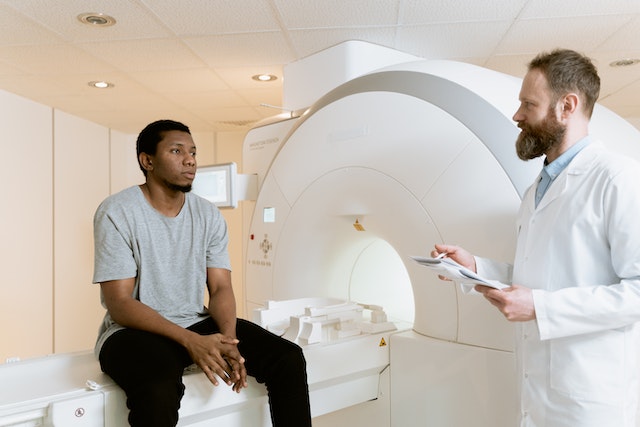
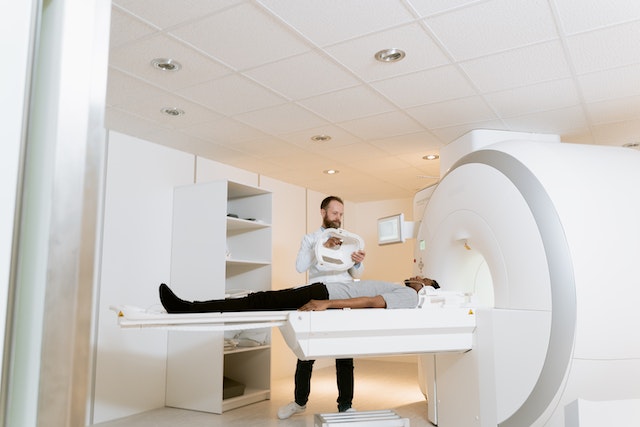
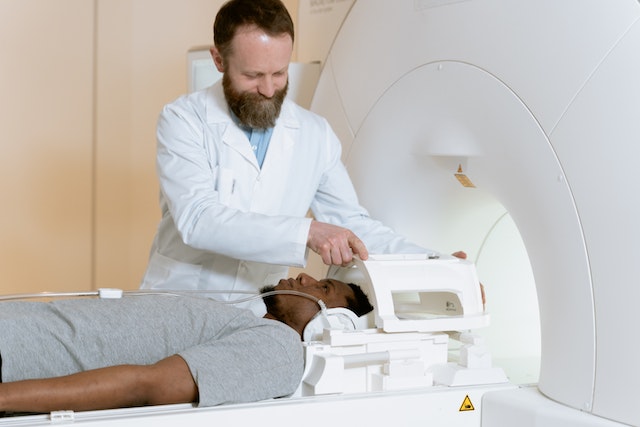
One of the most common concerns amongst patients is the claustrophobia caused by MRI machines. Dealing with the tight space of an MRI machine can be very stressful for patients dealing with claustrophobia and anxiety.

Regarding X-rays, patients are often concerned about their radiation exposure. They fear that the imaging may put them at increased risk for cancer.

Treat Your Patient Like a Person

One of the most common complaints from patients is that they don’t feel like the person working with them is treating them with care and understanding.


talking to your patients
Address the patients concerns

Smile and say hello when you first enter the room. Something as small as a smile can instantly put a person’s mind at ease, especially in a clinical setting that is scary for many patients.

Always refer to the patient by their name. Never refer to them as “the patient” while they are in earshot. Doing so sounds cold, while using their name makes the interaction feel more personal.

Maintain eye contact with your patient. Don’t look at their chart so much that you forget to make them feel like they’re being heard. Eye contact can make them less anxious, especially if they’ve been waiting a long time or have specific fears.

Make sure you sit — standing over a seated patient can be intimidating.

Listen & Understand

Health Management emphasizes how important it is to listen to your patient and ask questions. Let them explain what is going on before you begin to speak. Don’t interrupt them. If they have something to add while you’re talking, allow them to interject and listen to what they say.

Giving your patient space to speak can clarify any confusion on both parts.

After they have finished, reiterate what they’ve said to ensure you understand their concerns. Doing so shows the patient that you are interested in helping them and have respect for their situation. It also ensures that both the patient and healthcare provider are on the same page with treatment going forward.

Also, remember to slow down. Many patients feel that healthcare providers are in a rush, that they’re wasting their time, and that the provider would rather be elsewhere. Patients deserve to feel that their time is valued. Slowing down also helps patients to feel like they are heard and understood.

Watch Your Tone

Patients often come to healthcare providers with sensitive information that can make them feel vulnerable. Health Management encourages professionals to speak to patients with a warm, calm tone of voice. It can do a lot to set their mind at ease. Speaking more slowly can do the same.

Educate Your Patients

Lawrence T. Dauer et al. say professionals should educate their patients. They should know exactly what’s happening during the imaging and what effects the imaging may have on their bodies.

For example, many patients fear how much radiation they’re getting. Explain that they are receiving very little radiation exposure.

Don’t lie to them. Professionals know that repeated exposure, a person’s age, and other factors may increase risk. Patients deserve to know that, but you can set their minds at ease by explaining their risks.

Patients should always have informed consent. They should know precisely what they’re going into and be okay with it. Consent is not just about getting the patient to sign a form. It ensures they are adequately educated about their procedure and entirely on board.

Be Clear

As a healthcare professional, you know a lot of medical and technical jargon that the patient likely does not. Speak straightforwardly, using familiar words. It is crucial that the patient understands what is going on with their treatment.

At the same time, Health Management warns you to be careful not to come across as patronizing. Although patients may not know medical jargon, it doesn’t mean they’re stupid.


Reducing MRI Claustrophobia Concerns

The University of Virginia says the main reason patients are fearful of MRI machines is because they lack understanding of them. Many professionals can ease patients’ minds by informing them that MRI machines are well-lit and open at both ends. They are not closed off and dark, as many patients fear.


patient anxiety
Understand some people may have claustrophobia


Professionals can teach their patients easy breathing and meditation techniques to help keep them calm during the procedure. Another option is to tell them to count to keep their minds busy or to go to their “happy place.”

Provide them with a towel or washcloth they can drape over their eyes so they can’t see what’s going on.

Provide patients with headphones and allow them to listen to their music of choice.

Talk to your patients — about anything — get their minds off the procedure.

Conclusion

Diagnostic imaging can be scary for patients, especially those dealing with anxiety. Medical professionals are critical in setting a patient’s mind at ease, and it’s not hard to do.

Slow down, treat your patients with kindness and respect, and ensure they are properly informed. These simple things can help calm your patients and help you build a lasting professional relationship.

Women in Imaging: Historical and Contemporary Figures Advancing Medicine

March is a month set aside to celebrate women. During this month, Women’s History month, people are encouraged to learn about and celebrate the strong women in their lives and throughout history. But women’s history is wide reaching and all encompassing. There are thousands of women in hundreds of different industries that have made lasting impacts.

One of those industries is the medical industry. Women have left their mark everywhere in medicine and have helped develop new ideas, new medicines and treatments, and new pieces of technology. Let’s take a look at pillars in medical imaging.

History of Medical Imaging

But first, what exactly is medical imaging? This section of the medical industry includes different technologies that help medical professionals view various internal body systems within the human body. Medical imaging is used to find, diagnose, monitor, and even treat different medical conditions or injury.

Each piece of technology encompassed in medical imaging focuses on a different area or system of the body. Take x-rays for example. X-rays are used to view the skeletal system – the bones – of the body. X-rays are used to identify different issues with a patient’s bones and joints. Other types of medical imaging includes ultrasounds, Magnetic Resonance Imaging (MRI), Computed Tomography (CT), and even mammography.

diagnostic imaging

Medical imaging, as a practice, has been around since the last 19th century. It began with the development of x-rays. The first x-ray was taken in 1895, and since then the industry has grown as new pieces of technology have been developed. And women have played a pivotal role in this development.

Women in Medical Imaging

There have been innumerable women who have had a hand in the development and advancement of medical imaging. Of those, there are a few that we’d like to highlight.

Marie Curie

The first woman of medical imaging was a Polish scientist named Marie Curie. While this name is often familiar to many people, it’s familiar because of her discovery of radium. Radium is a naturally occurring radioactive element that was instrumental to the development of medical imaging.

Without Marie Curie’s discoveries, medical imaging may not exist, or would at least have been seriously delayed. Medical imaging uses radiation to see within the human body, so Marie Curie and her developments were imperative.

Florence Ada Stoney

Florence Ada Stoney was a radiologist during World War I. While she may not have created a new technology or radiology treatment, she was the lynchpin of women’s participation in medical imaging and radiology.

Florence Ada Stoney
Florence Ada Stoney in the center pictured with her sister and father

Stoney was not allowed to serve in the x-ray department of a London hospital during the war effort because she was a woman. Rather than admit defeat, Stoney created a volunteer unit comprised entirely of women. In 1915, Stoney was hired as the head of the Fulham Military Hospital’s x-ray department – the first time a woman headed such a department.

Muyinatu Bell

Muyinatu Bell is a modern counterpart of the forerunners of medical imaging. In the mid-2010s, Bell developed a new ultrasound technique that produces higher-quality images and is most effective for use in obese patients.

Without these women, modern medical imaging wouldn’t be where it is today. But this list is not exhaustive. There are countless more women who have found their place in medical imaging and left their mark.

While the number of women actively working in medical imaging is rarely higher 30%, no matter what area or discipline, they are still making serious gains. Women are a small portion of the medical imaging world, but they are mighty. 

Social Media Tips to Help Healthcare Facilities Connect with Patients

Social media is an ever-changing landscape, but it remains one of the best ways for healthcare facilities to reach and engage with current and potential patients. If you’re a healthcare facility looking to get started on social media, here are a few tips to help.

Listen First, Talk Later

Before creating content or engaging with people on social media, listening and observing what’s already happening in your industry is essential. Read up on trending topics, follow influencers, and join conversations relevant to your healthcare facility—this will give you a better understanding of what kinds of content resonates with your target audience.

Once you understand the conversation, you can create content or join existing discussions.

social media for healthcare
How are you connecting with patients online?

Spread Awareness of Services

Content doesn’t have to be hard to produce. Does your facility offer mammograms or other diagnostic imaging services? What type of special treatments do you offer patients? Let it be known through your posts! Whether you make a short informative Instagram Reel or a simple graphic, it’s ever crucial to make sure people know what you offer.


Build Relationships

Social media is all about building relationships, so pay attention to how you interact with others online.

Respond thoughtfully to comments and questions from followers; if someone has taken the time to reach out to you via social media, they deserve a well-crafted response that shows them that their voice matters. When responding directly to a patient’s question or comment, always use a professional tone and be sure not to disclose private information.

The beginning response to a patient with a question about diabetes might be:

“ Managing diabetes is no easy task, and if you’re a diabetes patient, it can be challenging to get your condition under control.”

Or:

“I empathize with the daily struggles you must endure keeping diabetes at bay. The good news is that there are ways to help make this easier for you.”


Be Transparent

Social media should be an opportunity for transparency between yourself and your followers.

health care social media tips
Show the faces behind your healthcare team


Share behind-the-scenes photos and videos from your day-to-day operations; this helps build trust by showing that real people work hard at your facility daily. It also allows patients who may not have visited before to get familiarized with the space beforehand, making them more comfortable when they arrive for their appointment or procedure.


Monitor Your Reputation

As a healthcare facility on social media, you must monitor what’s being said about you online – positive and negative.

Be sure to set up alerts for your company name as well as any hashtags associated with it to allow you to keep tabs on mentions of your brand.

If anything negative is posted about you online (such as negative reviews), you can address it quickly before the situation escalates. When a person posts a positive comment, be sure you “like” them, or comment back, so your followers know you respected their opinion.

A respectful response to a negative review about a rude employee at a hospital might be:

“At our hospital, all our staff members strive to ensure the highest level of quality care and customer satisfaction possible. Unfortunately, it’s not always achieved as intended due to human error and environmental stressors.”

Or

“We recognize that patient care starts with respectful communication and interactions between patients and healthcare providers. To improve communication throughout the institution, we are investing in additional staffing resources so that nurses and other team members feel better supported when high volumes present themselves on certain days or times during their shifts.” 


Measure Results

Lastly, measure the results of your social media efforts using analytics tools.

Using these tools will allow you to track how many people are visiting your page (and how often), see where they came from (e.g., organic search vs. referral traffic), and track engagement over time (likes/comments/shares). This information will help inform future decisions about what kind of content works best for engaging with patients online.

By measuring results regularly, you can continually refine and improve your strategy over time, so it eventually becomes second nature.

Social media can provide significant benefits for healthcare facilities looking to connect more deeply with current & potential patients—but only if done correctly.

Following these tips will ensure your presence on social media is practical & compliant with relevant regulations & guidelines set forth by governing bodies.

Take some time today & begin implementing these tips into practice right away. Your healthcare facility’s social pages will become vibrant hubs of conversation & connect with the community.

Good luck & happy posting!


How Covid Impacted Vital Health Screenings

So many aspects of our lives have changed since the outbreak of COVID19; shopping, working, education, entertainment, and our everyday lives look pretty different, even from a few years ago. The pandemic has also impacted our health and the way we approach medicine. Advancements in technology are moving quickly in medicine. Telehealth and remote medical services are becoming more mainstream, however, convincing patients to get health screenings, particularly for cancer, has become a challenge. It’s important, now more than ever, to keep up good health practices and let patients know they shouldn’t delay getting screened.

Timely screenings are incredibly important, says Imaging Technology News. Since the pandemic began there have been massive delays that have continued into 2023. Many facilities closed temporarily during the lockdown and many other facilities had severe staff shortages, says National Cancer Institute. When facilities did open back up, people were fearful of going to hospitals and other places where COVID might be prevalent, says the article.

covid impact on health
The COVID pandemic has caused many to delay important screenings

According to a survey between June and November of 2020, 11% to 36% of the 7,115 participants delayed their screening. The screenings ranged from mammograms, stool blood tests, pap smears, colonoscopies, and HPV tests. In another study done by Tulane University, screening rates decreased to nearly zero in 2020 of the 45,000 women enrolled in Medicaid in Louisiana. Should this trend continue, it’s predicted that later-stage cancer diagnosis will be significant, says Imaging Technology News.


How Can Medical Facilities Encourage Patients to Get Vital Screenings?

What medical professionals can do is encourage their patients as much as possible to get screened. This may be tricky, with COVID still lingering around the country. Appealing to patients’ health, and letting them know that a screening can save their life can be the most effective, says Imaging Technology News, as well as encouraging patients through evidence-based interventions, says the National Cancer Institute.

campaigns to increase mammogram awareness
Cancer prevention begins with screening

When cost is a barrier, says the article, there are options. Through the Affordable Care Act there are affordable cancer screening tests available as well as low-cost screening options for those without insurance or physician referrals. Medical professionals and facilities may also consider expanding the locations and access to screenings through mobile screening programs, says the article. Many of those in low-income areas who do not have transportation to access screenings can take advantage of mobile programs, says the American College of Surgeons.

For people who aren’t visiting doctors or medical facilities, making the general public aware of how important screenings are can help, says the National Cancer Institute. Social media, campaigns, and patient education are a few ways to reach everyone. In a multipronged approach, some hospitals educated virtually through community focus groups, asking specific questions as to why the people in the area weren’t getting screened, said the article. Hospital staff also worked with parish nurses to encourage and educate congregations on screening. In addition, some hospitals encouraged their own staff to be screened.

In our strange, new world, amidst COVID, staff shortages, and so much fear, we still must take care of ourselves and encourage others to do so. As healthcare professionals, we have the power to empower others to take charge of their own health.


Combating Radiologist Shortages

If your hospital, emergency room, or private practice is struggling with radiologist shortages, partnering with a teleradiology company like Vesta can help.

Our US Board Certified radiologists offer night, weekend, and holiday coverage to fill those gaps. Ask us about our seamless integrations: contact us now to learn more.

Reduced Radiation Exposure in Imaging

Medical imaging is a powerful tool for diagnosing and treating medical conditions; however, it can also expose patients to excess radiation levels. Fortunately, recent technological advancements have resulted in the development of new ways to reduce radiation exposure during imaging.

Here are a few ways these advancements are helping patients receive the care they need while reducing their radiation exposure.

New Guidelines

Clinicians have always used guidelines for the use of CT scans. Still, they recently developed new guidelines for the benefit of CT scans on the head, neck, chest, and abdomen/pelvis areas of the body–especially in pediatric practice.

x-ray safety for kids
New guidelines for CT scans


Clinicians can reduce or eliminate the need for CT scans if the child is awake and alert, if the blood work is normal, and if the patient is not experiencing abdominal pain.

A study of 146 children not exposed to the excess CT scan radiation using the new guidelines showed no clinically significant missed injuries.

Smart Software

One of the most significant advancements in this area is using smart software to reduce radiation dose in computerized tomography (CT) scans. This software analyzes patient size, age, and other factors to determine the dosage necessary for an accurate scan that minimizes radiation exposure. In some cases, reducing radiation doses by up to 90 percent has been possible without any decrease in diagnostic accuracy.


Lower Radiation Levels in the New CT Machines

In addition to using innovative software to reduce doses, researchers are also looking at new technologies, such as low-dose CT machines, that can achieve similar results without any additional processing needed.


Technicians have designed these machines with unique components that limit X-ray emissions while still providing high-quality imaging. As a result, patients can receive the same level of care without worrying about unnecessary radiation exposure.


Reducing Radiation Exposure with Ultrasound

Finally, reducing radiation exposure through ultrasound technology is more progressive. For clinicians using sound waves instead of X-rays or other forms of energy, ultrasound technology can provide doctors with highly detailed imaging with no risk of exposing patients to dangerous radiation levels.

Ultrasound is an ideal option for pregnant women and children who may be more sensitive to the effects of radiation than adults.

vesta teleradiology for women's wellness centers
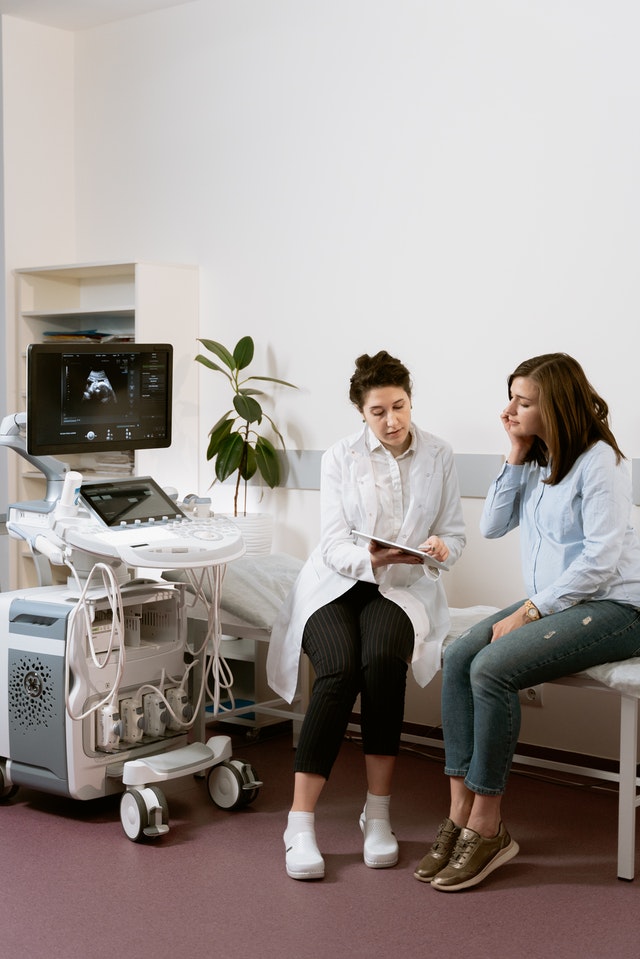
An ultrasound tech consults a patient

Recent advancements have made it easier for medical professionals to provide high-quality care while minimizing their patients’ exposure to harmful radiation.

With the medical profession redefining the guidelines, using low-dose scans, better x-ray machinery, and more ultrasounds, many options are now available for reducing radiation exposures during imaging procedures—all without sacrificing diagnostic accuracy or quality care.

That’s great news for anyone who needs an imaging scan but wants to ensure they’re taking steps to protect their health and safety!


The Role of 3D Printing in Radiology

3D printing is an incredible technological tool both in and out of the medical world. Fortunately, this revolutionary technology has opened up an entirely new realm of possibilities for medical professionals to better their patients care. 

Why Is 3D Printing Important To Medical Professionals?

3D printing has enabled doctors to create models of patients’ organs, tissues, and bones that can show the precise image of the patient’s anatomy, enabling them to make more thorough and accurate diagnoses. This means that diseases can be caught faster, leading to a higher percentage rate of positive outcomes. 

These models are helpful to ensure quality by using test treatments on a physical model before trying them on a patient. This can help to reduce the risk of adverse reactions and ensure that the treatment is as effective as possible. In addition, 3D printing can be used to create prosthetic limbs, allowing patients to receive a personalized prosthesis that is custom fit to their body.

prosthetic limbs
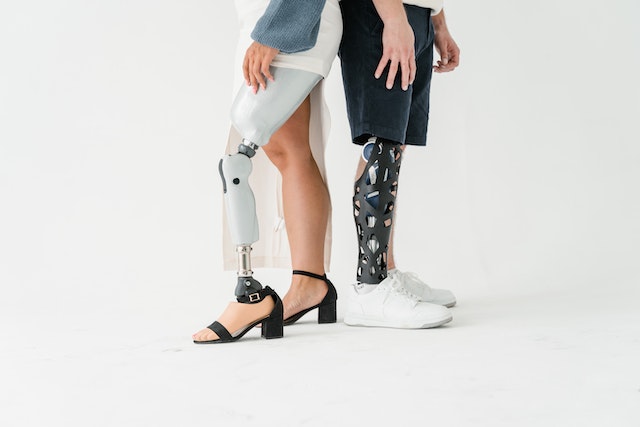
Prosthetic limbs

Finally, 3D printing is being used to create custom medical implants. Medical implants are used to replace missing or damaged tissue. They are typically made of titanium or other materials, but 3D printing has enabled medical professionals to create custom implants that are specifically designed for each patient. This has improved patient outcomes and allowed doctors to create implants that are more effective than ever before.

3D Printing In Radiology

In an interview for the American College of Radiology, Kenneth C. Wang, MD, Ph.D. said, “the benefit of printing comes from the patient-specific nature of what is depicted. And that almost always starts with imaging. That’s why we, as radiologists, are so well positioned to be at the center of these workflows. We can use our deep understanding of imaging modalities, anatomy, and disease to create models, interpret findings and also to know the limitations of the images, and communicate with other providers.” 

3D printing has become an increasingly common and useful tool for radiologists. Because it can be used to create customized models of organs, bones, and other body parts, it gives radiologists a better visualization and understanding of medical conditions that couldn’t be seen before. The in-depth imaging 3D printing provides can also be used to create medical implants, such as scaffolds for bone regeneration and customized joint replacements. 

3d printing imaging
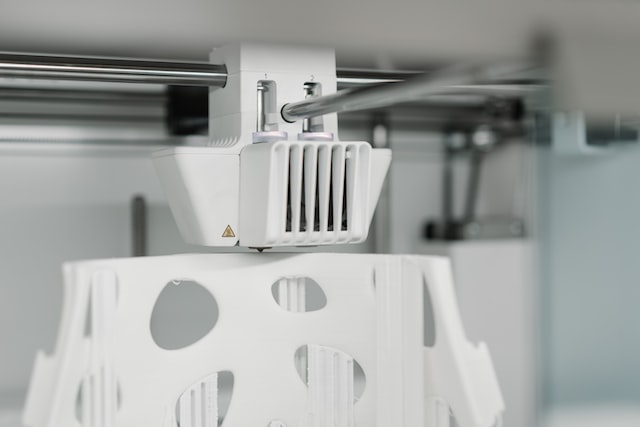
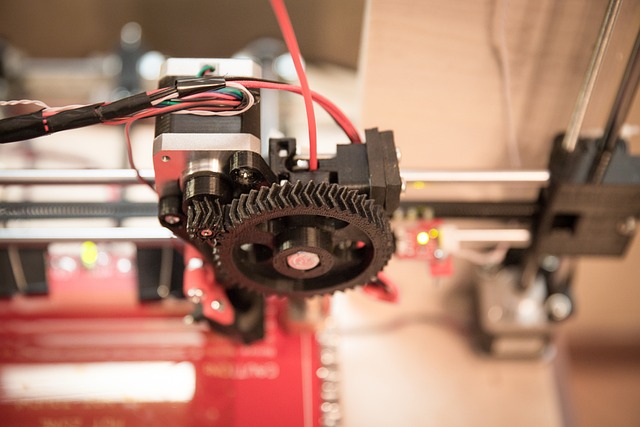
3D printer

3D-printed models of organs can be used to practice minimally invasive procedures and to create guides for surgeons to follow during operations. 

This will help with medical education, allowing students and radiologists to visualize the anatomy and better understand medical conditions. Finally, 3D printing can be used to create patient-specific medical devices, such as hearing aids and prosthetics, to customize them and make them more comfortable for patients.

Conclusion

Overall, 3D printing has revolutionized the world of radiology. It has allowed medical professionals to make more precise and accurate diagnoses, create custom medical devices, create models of organs, tissues, and bones, and create custom medical implants. This technology has enabled doctors to provide better patient care and has improved patient outcomes. With this kind of technology coupled with Artificial Intelligence, the sky is the limit.

Vesta Teleradiology is always looking to new technologies to improve our operations and further assist our clients in accurate and quick interpretations. Please reach out to us to learn about how we customize the process for your healthcare facility’s needs. 


The Future of Radiology with 5G

If you’ve been to the doctor’s office, hospital, or any healthcare building recently, you might have noticed an upgrade in technology. Instead of a sign-in sheet, you may have been handed a fingerprint scanner. In lieu of a paper and pen, a nurse may have an iPad or desktop computer to take your medical history. For years, medical offices around the country have already had an online scheduling and note-taking system, so it may not come as a surprise that innovations have reached their way to medical imaging and radiology. 5G technology has made vast improvements in the medical space since 2018, says Imaging Technology News, and will continue to make waves, globally, for years to come.

Advancements with 5G

Ultrasound and telehealth technology has advanced this year with 5G technology, particularly with people who live in remote locations without easy access to hospitals, says Radiology Business. 5G connectivity makes transmission of 4K images and ultrasound images much more efficient and clearer than LTE technology, says the article. Patients who need appointments or images read by medical professionals are able to receive the care they need through telehealth services and remarkably clearer images. In addition to this, 5G technology has helped remotely train the practitioners, who were not radiologists, to take the ultrasound examinations. Having a wider pool of practitioners to perform these tasks is proof that 5G has a promising future in the healthcare community.

Another advancement brought about by 5G technology is biomedical devices, says Applied Sciences.  When a patient has an implantable and wearable biomedical device with wireless communication technology, doctors are able to have updates and treatments in real time for those in their care. These devices gather data from sick patients and instantly transmit the progress to a doctor to be checked, remotely. Because of the reliability of a 5G network, life supporting devices are able to work quickly, and without complications of interruption. According to the article, developing the “self-health” systems aided by 5G technology will be critical for the lack of healthcare workers we will experience by 2035.

Looking ahead, Imaging Technology News predicts the 5G networks could be the “catalyst towards smart hospitals;” a center of streamlined systems and information that efficiently carries through the patient experience. Some of those concepts, says the article, includes a smart scheduling system, facial recognition or fingerprint scanners, and multiple imaging transfers between medical professionals. Importantly, too, 5G networks will enable “crosstalk” between medical devices, monitoring devices, and medical records, creating one, integrated system.

facial scanning
AI facial recognition

There are a lot of predictions about our healthcare system due to so many changes in our world today amidst the COVID, flu, RSV, healthcare worker shortage, and so many other variables. But, here, there is proof of a silver lining. Technology has made it possible to reroute some of these fears and bring some light to some dark statistics. We are on the precipice of new and big developments in our healthcare systems. The future is here and we are excited. Click here to learn more about Vesta’s partnership with MIT for artificial intelligence research.