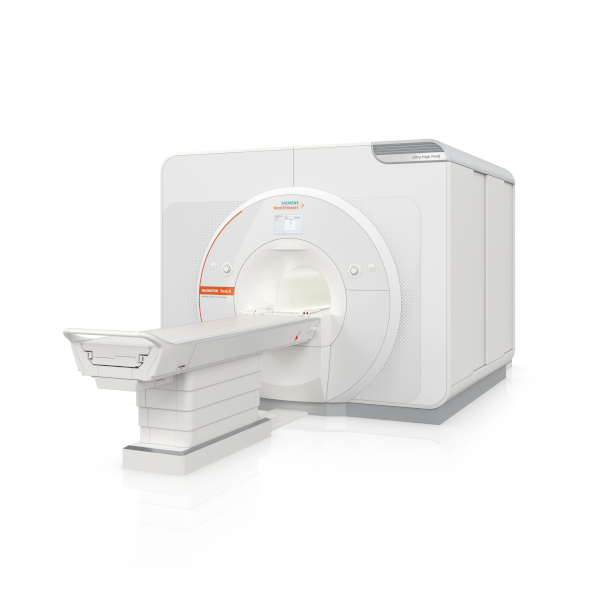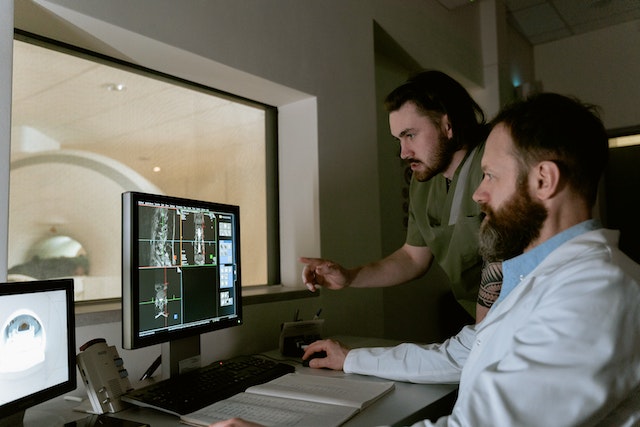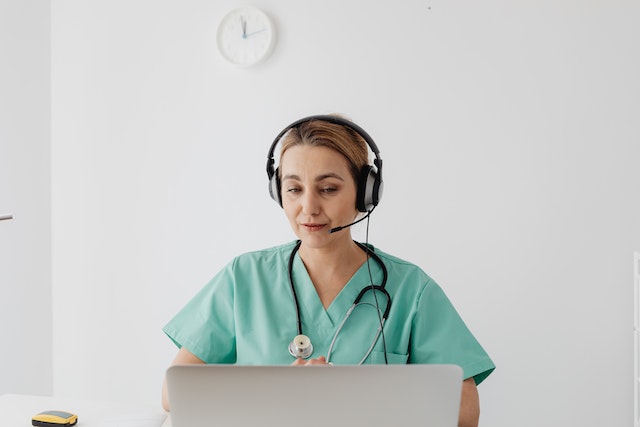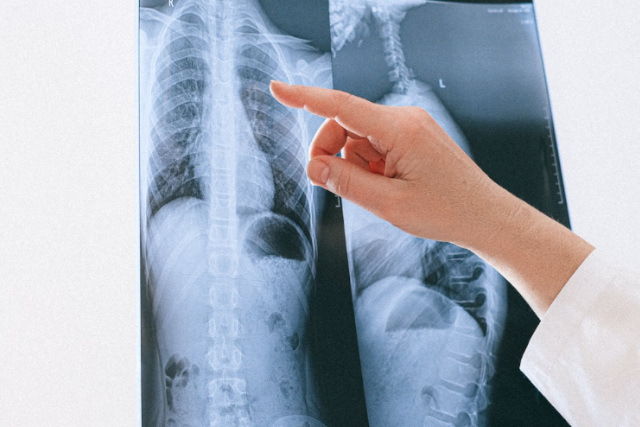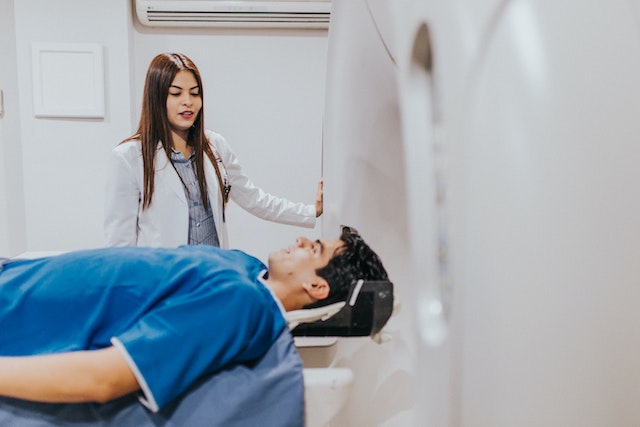
The healthcare market is experiencing ashift towards outpatient care, driven by reimbursement changes, pandemic effects, and patient preferences, particularly prominent in the U.S. Providers are diversifying into sub-specializations like neurology and oncology, raising the demand for advanced imaging like MRI and CT. This trend has led to increased utilization of outpatient imaging and teleradiology services.
By the NuMbers
Diagnostic imaging is becoming increasingly crucial in healthcare, with the market projected to reach$31.9bn in 2023 and grow at a 4.8% CAGR to $45.8bn in 2030. The rise is driven by chronic diseases, an aging population, and post-Covid-19 demand recovery. To meet this demand, companies are focusing on advanced and accessible technologies, such as handheld ultrasounds. About 1,949 imaging devices are in development, with 112 expected to gain approval in 2023.
According to Fortune Business Insights, in 2022, the computed tomography (CT) segment held the largest market share due to a rise in CT scan procedures and higher average pricing. For instance, OECD data for 2021 showed 84.5 million CT scan procedures in the U.S., up by 15.8% from the previous year. The growing geriatric population has also contributed to increased demand for CT scans.
Key Players
Key players include GE Healthcare, Philips, Siemens Healthineers, and more. Challenges include high equipment costs and a shortage of skilled personnel, impacting accessibility and patient care quality. Opportunities arise from the growing demand for imaging services, especially for chronic diseases, and the development of new modalities like 3D mammography and MRI-guided focused ultrasound. Emerging economies like India, China, and Brazil are pivotal, driven by rising chronic diseases. Major players like Siemens Healthineers are expanding in these markets. Additionally, teaching hospitals are increasing demand for advanced imaging methods to enhance patient care.
Your Dedicated Radiology Partner: Vesta
Partnering with Vesta as your radiology partner ensures access to accurate and timely imaging interpretations and readings for subspecialties. Whether you are an outpatient imaging center or traditional hospital, our collaboration offers a seamless and efficient experience. Trust us to be your reliable radiology partner, empowering you with the insights and tools needed for improved healthcare outcomes.
In recent years,artificial intelligence (AI) has made remarkable strides in revolutionizing the landscape of the medical field, offering unprecedented opportunities for enhanced patient care, diagnosis, and treatment. From accelerating the analysis of medical imagery to predicting disease outcomes with unparalleled accuracy, AI-powered technologies have swiftly established themselves as indispensable tools for healthcare professionals. Beyond diagnostics, AI has played a pivotal role in drug discovery, streamlining clinical trials, and personalizing patient interventions. As AI continues to evolve, its potential to transform healthcare systems globally is becoming increasingly evident, promising not only improved medical outcomes but also cost-effective solutions and optimized resource allocation. The fusion of AI’s computational prowess with medical expertise heralds a new era of medical advancements that hold the potential to alleviate the burden on healthcare systems, save lives, and redefine the standards of patient well-being.
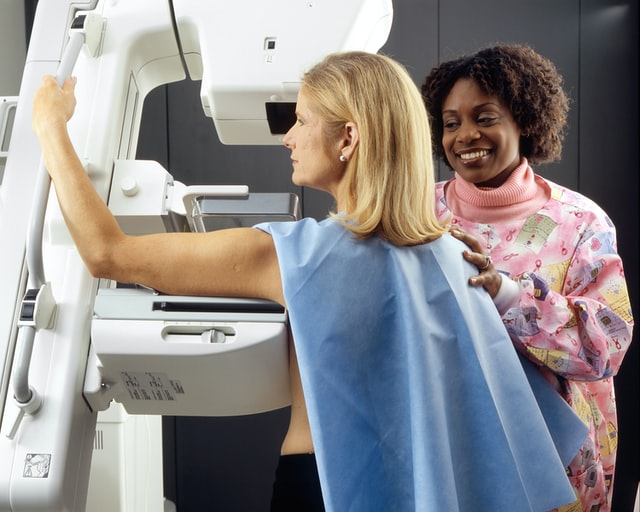
In the United States alone, it is estimated that around40 million mammograms were performed each year. Mammograms are crucial as they are the primary method for early detection of breast cancer, enabling timely intervention and improving survival rates. By detecting small abnormalities and tumors that may not be palpable, mammograms help identify potential breast cancer cases in their earliest stages, allowing for more effective and less invasive treatment options.
Radiologists often find themselves overwhelmed due to the increasing volume of medical images requiring analysis, coupled with ashortage of radiology specialists. The demand for accurate and timely diagnoses, especially in fields like mammography, can lead to extended work hours and heightened stress levels among radiologists. Introducing AI technologies can alleviate this burden by assisting in image analysis, enabling radiologists to focus on complex cases and ensuring more efficient patient care.
How AI Helps in Mammography
A recent study published in The Lancet Oncology suggests that artificial intelligence (AI) may outperform trained doctors in detecting breast cancer from mammogram images. Mammograms face challenges due to factors like breast density, leading to missed cancer cases. The study analyzed 80,000 mammograms from Swedish women, finding that AI-assisted readings detected 20% more cancers compared to human radiologists. While not a standalone solution, AI could alleviate doctors’ workloads, enhancing accuracy without increasing false negatives. Despite FDA-approved AI technologies, integration with conventional methods is likely, aiding radiologists in managing a growing workload. The balance between AI and human expertise remains essential, ensuring optimal patient care and early cancer detection.
Healthcare experts, including the NHS and the Royal College of Radiologists, acknowledgeAI’s promise in enhancing efficiency, decision-making, and prioritizing critical cases.
Vesta Teleradiology
AI applied to diagnostic imaging holds the potential to significantly enhance the level of patient care. We eagerly anticipate further progress in this field. However, we maintain the viewpoint that presently, no machine can effectively substitute for the expertise of a skilled human observer for interpretations. At Vesta, we offer the services of radiologists who are US Board Certified, dedicated to delivering precise preliminary and final analyses. Discover how we can bolster your radiology department by reaching out to us today.
A healthcare facility – hospital, private practice, imaging center – may choose to utilize the services of a teleradiology company to enhance their radiology capabilities and streamline their diagnostic imaging processes. Teleradiology services offers numerous advantages, such as increased access to specialized radiologists, expedited turnaround times, reduced waiting time for patients, and improved patient care. By partnering with a reputable teleradiology company, healthcare facilities can leverage advanced technology, secure data transmission, and a network of skilled radiologists to obtain accurate and timely radiology preliminary and final interpretations. This collaboration allows healthcare providers to optimize their resources, extend their coverage, and ultimately deliver high-quality diagnostic imaging services to their patients, regardless of time or location.
Teleradiology Reports Delivery
Before engaging with an outsourced radiology company, you may wonder how reports are delivered. Teleradiology specialists deliver their reports through secure electronic means, utilizing advanced technology and secure communication platforms.
When you partner with Vesta, a Gateway application is installed remotely to allow your systems direct access to our PACS. Once linked, your technicians send exams straight from your machine to our PACS. Vesta account specialists assign it to the proper physician who read and dictate the report, it’s uploaded to your branded template where it’s easily accessible for your facility to access and download!
These customized reports can also be distributed electronically, and any critical findings are immediately shared with the facility via phone, email, or text. We also facilitate callbacks between the physician and radiologist and provide an unlimited amount of customized report templates with your facility’s information and logo. It’s a seamless experience which allows you to focus on what matters most, the patient experience.
Safety and Security: HIPAA
Teleradiology companies like Vesta prioritize the security and confidentiality of patient data throughout the entire process. They employ strict data encryption, comply with privacy regulations (such as HIPAA in the United States), and implement robust security measures to protect patient information during transmission and storage.
Look to Vesta for secure and compliant reports
Looking to outsource your radiology interpretations? Please reach out to Vesta to learn more. Vesta Teleradiology can accommodate any type of volume, large, medium and small.
Emergency rooms (ERs) play a critical and indispensable role in the healthcare system, serving as the front line of medical care for individuals experiencing urgent and life-threatening situations. These bustling hubs of medical expertise and resources are designed to provide immediate and comprehensive care to patients who require immediate attention, regardless of their condition or ability to pay. Emergency rooms act as the safety net for communities, offering round-the-clock access to highly trained healthcare professionals, advanced diagnostic tools, and life-saving interventions. From trauma cases and acute illnesses to critical injuries and emergencies, emergency rooms serve as the gateway to timely and potentially life-saving medical care, ensuring that patients receive the immediate attention they need in their most vulnerable moments.
During the summer months in the United States, emergency rooms tend to see an increase in patient visits due to various reasons.Pew Research states that close to 45,000 people visit U.S. hospital emergency rooms for treatment of injuries each day on July 4 and 5 which are the highest daily numbers in the entire year.
Some common reasons people visit emergency rooms during the summer include:
Heat-Related Illnesses: The hot weather can lead to heat-related illnesses such as heat exhaustion and heatstroke. Symptoms may include dehydration, dizziness, nausea, rapid heartbeat, and altered mental status, which may require immediate medical attention.
Trauma from Outdoor Activities: Outdoor recreational activities like hiking, camping, and rock climbing can lead to injuries such as fractures, sprains, cuts, and wounds. Emergency care may be necessary for evaluation, wound management, and potential surgical interventions. This means an increase in imaging procedures like x-rays.
Water-related incidents can be more prevalent during summer
Accidents and Injuries: Summer activities and outdoor sports can result in an uptick in accidents and injuries. This includes injuries from water-related activities, such asswimming accidents, diving accidents, near-drownings, and boating accidents, as well as bicycle accidents, falls, and recreational sports injuries.
Allergic Reactions: Summertime brings increased exposure to allergens like pollen, insect bites, and stings. Some individuals may experience severe allergic reactions, such as anaphylaxis, requiring emergency medical care.
Respiratory Issues: People with respiratory conditions, such as asthma and chronic obstructive pulmonary disease (COPD), may experience exacerbations during the summer due to factors like poor air quality, increased pollen, and higher levels of pollution. These exacerbations can lead to respiratory distress and necessitate emergency care.
Outdoor and Recreational Injuries: With warmer weather, people engage in various outdoor activities, including hiking, biking, swimming, and team sports. These activities can result in injuries such as fractures, sprains, strains, dislocations, and head injuries.
Foodborne Illnesses: Barbecues, picnics, and outdoor gatherings increase the risk of foodborne illnesses due to improper food handling and storage. Severe cases of food poisoning can lead to dehydration and require medical evaluation and treatment.
ERs can see more patients coming in due to foodborne illnesses
Sunburn and Sun-Related Injuries: Prolonged sun exposure without proper protection can result in sunburn, sun poisoning, and related skin injuries. Severe sunburns may require medical attention to manage pain, prevent infection, and address complications.
Why Staffing is Important
Adequatehealthcare staffing is of paramount importance for emergency rooms as it directly impacts the quality and timeliness of care provided to patients in critical situations. Emergency rooms must be adequately staffed with physicians, nurses, and support staff who possess the necessary skills and expertise to handle a wide range of emergencies. The unpredictable nature of emergency room cases, the potential for multiple simultaneous emergencies, and the need for rapid decision-making necessitate a sufficient number of healthcare professionals to ensure efficient triage, timely assessments, and appropriate interventions. With adequate staffing, emergency rooms can effectively manage patient flow, reduce wait times, provide continuous monitoring, and deliver the highest standard of care, ultimately maximizing patient outcomes and saving lives.
Vesta Fills in for Your Radiologists
Whether you have a shortage of radiologists due to a hiring shortage or simply your staff is unavailable nights and weekends, Vesta is here for you. Hospitals and ERs can’t always predict with complete accuracy future patient volume which is where Vesta can help you with the unexpected. OurUS Board Certified radiologists can work on-site or remotely for your preliminary and final interpretations.
It’s a staggering statistic. Healthcare company bankruptcies were up 84% in 2022 as compared to 2021. Things are getting so severe that in California, there are legislative proposals for offering emergency loans for hospitals facing closure or that are trying to reopen. Why is this happening?
COVID’s Impact
The COVID-19 pandemic has had a significant impact on hospitals financially. Here are some of the ways hospitals have been affected:
Increased expenses: Hospitals faced increased expenses due to the surge in COVID-19 cases. These expenses include the cost of personal protective equipment (PPE), additional staffing needs, testing supplies, ventilators, and other medical equipment required to treat COVID-19 patients. Hospitals also had to invest in facility modifications and create dedicated COVID-19 units or wards.
Canceled or postponed elective procedures: To free up resources and reduce the risk of COVID-19 transmission, many hospitals had to cancel or postpone elective surgeries and procedures. These procedures often contribute a significant portion of a hospital’s revenue, and their suspension led to financial losses.
Reduction in outpatient visits: Many people postponed or avoided non-emergency medical visits and procedures due to concerns about COVID-19 exposure. As a result, hospitals experienced a decline in outpatient visits, diagnostic tests, and routine care. Outpatient services are an essential revenue source for hospitals, and the decrease in patient volumes had a negative financial impact.
Decline in emergency department visits: While emergency departments experienced a surge in COVID-19 cases, they also saw a decline in visits for non-COVID-19 emergencies. Fear of exposure to the virus, stay-at-home orders, and limited access to transportation may have contributed to this decline. Since emergency department visits often generate revenue for hospitals, the decrease in non-COVID-19 cases had financial implications.
Unequal distribution of funding: While governments and healthcare systems provided financial relief and support to hospitals during the pandemic, the distribution of funds varied. Some hospitals, particularly those in hard-hit areas or with a high percentage of COVID-19 patients, received additional funding. However, smaller or rural hospitals with fewer COVID-19 cases may have faced financial challenges due to reduced patient volumes and inadequate financial support.
It’s important to note that the specific financial impact can vary among hospitals based on factors such as their location, patient demographics, size, and pre-pandemic financial health. These factors can influence the severity of the financial challenges faced by hospitals during the COVID-19 crisis.
Partnering with Vesta Teleradiology Group to Reduce Costs
Vesta Teleradiology understands that financial costs can be a burden, so that’s why they are always on the lookout to bring the latest technologies to healthcare facilities to help improve efficiency and quality while reducing costs. Vesta doesn’t believe you have to sacrifice quality for cost. Whether you operate a largehospital, urgent care center, or private practice, we are here to help fully or in part, for all your radiology interpretation needs, includingsubspecialties.
As a healthcare professional, events like conferences serve as opportunities to learn and grow professionally while expanding our network.
If you want to achieve new insights and techniques in imaging and healthcare, 2023 Imaging and Healthcare Conferences are among the best opportunities. Here are the top conferences in the United States.
RSNA (Radiological Society of North America) 2023
The Radiological Society of North America is one of the largest conferences globally, focusing on radiology and imaging. The conference covers everything from basic science to emerging technologies and features various sessions and workshops covering all field aspects.
RSNA 2023will occur in Chicago, Illinois, from November 27 to December 1, 2023.
The meeting takes place from June 29-July 2, 2023, in the City by the Bay, San Francisco. The SIIM conference offers CME opportunities for attendees to be professionally accredited, making it one of the world’s most significant events in imaging informatics.
The AI in Healthcare Summit aims to bring the world’s brightest minds to discuss ideas on developing AI technology in healthcare imaging. Attendees will enjoy learning from cross-industry thought leaders, researchers, and technology innovators.
CME (Continuing Medical Education) Conferences
Continuing education is essential for professionals in the healthcare industry.CME conferences are offered throughout the year, allowing attendees opportunities for advancement.
Organizations such as the American Medical Association (AMA), the American College of Radiology (ACR), and the Radiological Society of North America offer these conferences.
Attending these imaging and healthcare conferences will allow you to gain experience and interaction with industry professionals and keep abreast of the latest technology and groundbreaking research.
Plan to attend any of these 2023 conferences to improve yourimaging and healthcare skills and knowledge and keep yourself updated and engaged with peers.
Americans, and everyone all over the world, depend on proper medical care. From dental checkups to urgent care visits, medical professionals are absolutely essential, especially when it comes to massive emergencies. If we didn’t learn this fact yet, the pandemic certainly brought it into focus. In 2020, hospitals and medical buildings surged with COVID patients, overloading facilities and professionals alike. Now, with labor shortages, and unfair compensation, nurses and medical staff are going on strike to re-negotiate contracts to make their workplaces a fairer place to be.
Healthcare Strikes Going on Now
Beginning in January of this year, over 7,000 medical professionals went on strike in New York City, saysVox. The strikes involve Mt. Sinai Hospital, and three other facilities, located in the Bronx, owned by Montefiore. Recent contract negotiations failed to provide health care workers with more staff, as well as desired salary compensation, says the article. Over 700 positions are open within the Montefiore facilities, and nurses and medical staff feel overburdened and undervalued. As explained by Vox, when billable hours and revenue collection are limited to doctors who prescribe surgeries and medicine, nurses and other medical staff are a complete cost to the hospital. Even though these professionals are essential to properly run any medical facility, investing in nursing staff becomes a problem when the American structure is a pay-for-treatment transaction in healthcare systems that are for profit.
Last month, on February 27, another strike took place on Long Island with about 800 nurses, saysCBS News. At Northwell Health’s South Shore University Hospital, nurses are demanding “safe staffing and fair wage,” says the article. 99% of the nurses voted to authorize the strike.
It isn’t just the United States that’s involved with strikes. Across the pond, in the UK, nurses are also having a difficult time negotiating what they need in their contracts, says IN News. For the first time in Royal College of Nursing history, medical staff, which spanned over 100 services, held England’s largest nursing strike on March 1 of this year. In the 48-hour strike, staff from emergency departments, intensive care units, cancer care, and other services were involved, says the article. Compensation, workload, and workplace conditions are the terms UK nurses are fighting for. Since 2010, nurses’ compensation has fallen 8%, says the article.
Both in the US and UK, nurses have made it clear that they do not want to strike, leaving vulnerable patients in a bind, saysUSA Today, and IN News. “Bosses have pushed us to strike by refusing to seriously consider our proposals to address the desperate crisis of unsafe staffing that harms our patients,” said a union representative from The Nurses Association to USA Today.
Re-negotiated contracts and tentative agreements were reached in New York, some involving a raise of 5-7% over the next three years for nursing staff, as well as staffing increases, says Today. Negotiations in the UK came to an agreement on March 16, with more than 1 million NHS staff receiving a raise, saysgov.uk.
Shortage in Radiologists
It’s not just nurses that are in shortage, but alsothose in the radiology field as well.Luckily, partnering with ateleradiology company like Vesta allows you to fill in those gaps you have—whether you’re short-staffed for weekend work or simply need reliable interpretations around the clock. Vesta also offers top-to-bottom healthcare staffing from its sister company,Momentum Healthcare Staffing for positions such as locums tenens and permanent nurse practitioners, physicians, medical assistants and more.
Being told that you need diagnostic imaging can be scary. Healthcare professionals deal with diagnostic imaging every day, so they may become immune to the concerns of patients.
Still, amidst patients’ fear of diagnostic imaging, healthcare professionals can set their minds at ease.
The main thing to remember is to simply treat your patients like humans. Slow down, treat them with kindness, and really listen to their concerns. Doing these simple things can go a long way in setting your patients’ minds at ease.
What Concerns Do Patients Have About Diagnostic Imaging?
One of the most common concerns amongst patients is the claustrophobia caused by MRI machines. Dealing with the tight space of an MRI machine can be very stressful for patients dealing with claustrophobia and anxiety.
Regarding X-rays, patients are often concerned about their radiation exposure. Theyfear that the imaging may put them at increased risk for cancer.
Treat Your Patient Like a Person
One of the most common complaints from patients is that they don’t feel like the person working with them is treating them with care and understanding.
Address the patients concerns
Smile and say hello when you first enter the room. Something as small as a smile can instantly put a person’s mind at ease, especially in a clinical setting that is scary for many patients.
Always refer to the patient by their name. Never refer to them as “the patient” while they are in earshot. Doing so sounds cold, while using their name makes the interaction feel more personal.
Maintain eye contact with your patient. Don’t look at their chart so much that you forget to make them feel like they’re being heard. Eye contact can make them less anxious, especially if they’ve been waiting a long time or have specific fears.
Make sure you sit — standing over a seated patient can be intimidating.
Listen & Understand
Health Management emphasizes how important it is to listen to your patient and ask questions. Let them explain what is going on before you begin to speak. Don’t interrupt them. If they have something to add while you’re talking, allow them to interject and listen to what they say.
Giving your patient space to speak can clarify any confusion on both parts.
After they have finished, reiterate what they’ve said to ensure you understand their concerns. Doing so shows the patient that you are interested in helping them and have respect for their situation. It also ensures that both the patient and healthcare provider are on the same page with treatment going forward.
Also, remember to slow down. Many patients feel that healthcare providers are in a rush, that they’re wasting their time, and that the provider would rather be elsewhere. Patients deserve to feel that their time is valued. Slowing down also helps patients to feel like they are heard and understood.
Watch Your Tone
Patients often come to healthcare providers with sensitive information that can make them feel vulnerable. Health Management encourages professionals to speak to patients with a warm, calm tone of voice. It can do a lot to set their mind at ease. Speaking more slowly can do the same.
Educate Your Patients
Lawrence T. Dauer et al. say professionals should educate their patients. They should know exactly what’s happening during the imaging and what effects the imaging may have on their bodies.
For example, many patients fear how much radiation they’re getting. Explain that they are receiving very little radiation exposure.
Don’t lie to them. Professionals know that repeated exposure, a person’s age, and other factors may increase risk. Patients deserve to know that, but you can set their minds at ease by explaining their risks.
Patients should always have informed consent. They should know precisely what they’re going into and be okay with it. Consent is not just about getting the patient to sign a form. It ensures they are adequately educated about their procedure and entirely on board.
Be Clear
As a healthcare professional, you know a lot of medical and technical jargon that the patient likely does not. Speak straightforwardly, using familiar words. It is crucial that the patient understands what is going on with their treatment.
At the same time, Health Management warns you to be careful not to come across as patronizing. Although patients may not know medical jargon, it doesn’t mean they’re stupid.
Reducing MRI Claustrophobia Concerns
The University of Virginia says the main reason patients are fearful of MRI machines is because they lack understanding of them. Many professionals can ease patients’ minds by informing them that MRI machines are well-lit and open at both ends. They are not closed off and dark, as many patients fear.
Understand some people may have claustrophobia
Professionals can teach their patients easy breathing and meditation techniques to help keep them calm during the procedure. Another option is to tell them to count to keep their minds busy or to go to their “happy place.”
Provide them with a towel or washcloth they can drape over their eyes so they can’t see what’s going on.
Provide patients with headphones and allow them to listen to their music of choice.
Talk to your patients — about anything — get their minds off the procedure.
Conclusion
Diagnostic imaging can be scary for patients, especially those dealing with anxiety. Medical professionals are critical in setting a patient’s mind at ease, and it’s not hard to do.
Slow down, treat your patients with kindness and respect, and ensure they are properly informed. These simple things can help calm your patients and help you build a lasting professional relationship.
Social media is an ever-changing landscape, but it remains one of the best ways for healthcare facilities toreach and engage with current and potential patients. If you’re a healthcare facility looking to get started on social media, here are a few tips to help.
Listen First, Talk Later
Before creating content or engaging with people on social media,listening and observing what’s already happening in your industry is essential. Read up on trending topics, follow influencers, and join conversations relevant to your healthcare facility—this will give you a better understanding of what kinds of content resonates with your target audience.
Once you understand the conversation, you can create content or join existing discussions.
How are you connecting with patients online?
Spread Awareness of Services
Content doesn’t have to be hard to produce. Does your facility offermammograms or otherdiagnostic imaging services? What type of special treatments do you offer patients? Let it be known through your posts! Whether you make a short informative Instagram Reel or a simple graphic, it’s ever crucial to make sure people know what you offer.
Build Relationships
Social media is all about building relationships, so pay attention to how you interact with others online.
Share behind-the-scenes photos and videos from your day-to-day operations; this helps build trust by showing that real people work hard at your facility daily. It also allows patients who may not have visited before to get familiarized with the space beforehand, making them more comfortable when they arrive for their appointment or procedure.
Monitor Your Reputation
As a healthcare facility on social media, you mustmonitor what’s being saidabout you online – positive and negative.
Be sure toset up alerts for your company name as well as any hashtags associated with it to allow you to keep tabs on mentions of your brand.
If anything negative is posted about you online (such as negative reviews), you can address it quickly before the situation escalates. When a person posts a positive comment, be sure you “like” them, or comment back, so your followers know you respected their opinion.
A respectful response to a negative review about a rude employee at a hospital might be:
“At our hospital, all our staff members strive to ensure the highest level of quality care and customer satisfaction possible. Unfortunately, it’s not always achieved as intended due to human error and environmental stressors.”
Or
“We recognize that patient care starts with respectful communication and interactions between patients and healthcare providers. To improve communication throughout the institution, we are investing in additional staffing resources so that nurses and other team members feel better supported when high volumes present themselves on certain days or times during their shifts.”
Measure Results
Lastly, measure the results of your social media efforts usinganalytics tools.
Using these tools will allow you to track how many people are visiting your page (and how often), see where they came from (e.g., organic search vs. referral traffic), and track engagement over time (likes/comments/shares). This information will help inform future decisions about what kind of content works best for engaging with patients online.
Bymeasuring results regularly, you can continually refine and improve your strategy over time, so it eventually becomes second nature.
Social media can provide significant benefits for healthcare facilities looking to connect more deeply with current & potential patients—but only if done correctly.
Following these tips will ensure your presence on social media is practical & compliant with relevant regulations & guidelines set forth by governing bodies.
Take some time today & begin implementing these tips into practice right away. Your healthcare facility’s social pages will become vibrant hubs of conversation & connect with the community.
So many aspects of our lives have changed since the outbreak ofCOVID19; shopping, working, education, entertainment, and our everyday lives look pretty different, even from a few years ago. The pandemic has also impacted our health and the way we approach medicine. Advancements in technology are moving quickly in medicine. Telehealth and remote medical services are becoming more mainstream, however, convincing patients to get health screenings, particularly for cancer, has become a challenge. It’s important, now more than ever, to keep up good health practices and let patients know they shouldn’t delay getting screened.
Timely screenings are incredibly important, says Imaging Technology News. Since the pandemic began there have been massive delays that have continued into 2023. Many facilities closed temporarily during the lockdown and many other facilities had severestaff shortages, saysNational Cancer Institute. When facilities did open back up, people were fearful of going to hospitals and other places where COVID might be prevalent, says the article.
The COVID pandemic has caused many to delay important screenings
According to a survey between June and November of 2020, 11% to 36% of the 7,115 participants delayed their screening. The screenings ranged from mammograms, stool blood tests, pap smears, colonoscopies, and HPV tests. In another study done byTulane University, screening rates decreased to nearly zero in 2020 of the 45,000 women enrolled in Medicaid in Louisiana. Should this trend continue, it’s predicted that later-stage cancer diagnosis will be significant, says Imaging Technology News.
How Can Medical Facilities Encourage Patients to Get Vital Screenings?
What medical professionals can do is encourage their patients as much as possible to get screened. This may be tricky, with COVID still lingering around the country. Appealing to patients’ health, and letting them know that a screening can save their life can be the most effective, says Imaging Technology News, as well as encouraging patients through evidence-based interventions, says the National Cancer Institute.
Cancer prevention begins with screening
When cost is a barrier, says the article, there are options. Through the Affordable Care Act there are affordable cancer screening tests available as well as low-cost screening options for those without insurance or physician referrals. Medical professionals and facilities may also consider expanding the locations and access to screenings through mobile screening programs, says the article. Many of those in low-income areas who do not have transportation to access screenings can take advantage of mobile programs, says the American College of Surgeons.
For people who aren’t visiting doctors or medical facilities, making the general public aware of how importantscreenings are can help, says the National Cancer Institute. Social media, campaigns, and patient education are a few ways to reach everyone. In a multipronged approach, some hospitals educated virtually through community focus groups, asking specific questions as to why the people in the area weren’t getting screened, said the article. Hospital staff also worked with parish nurses to encourage and educate congregations on screening. In addition, some hospitals encouraged their own staff to be screened.
In our strange, new world, amidst COVID, staff shortages, and so much fear, we still must take care of ourselves and encourage others to do so. As healthcare professionals, we have the power to empower others to take charge of their own health.
Combating Radiologist Shortages
If your hospital, emergency room, or private practice is struggling with radiologist shortages, partnering with a teleradiology company like Vesta can help.
Our US Board Certified radiologists offer night, weekend, and holiday coverage to fill those gaps. Ask us about our seamless integrations:contact us now to learn more.