Rural hospitals are the cornerstones of many rural communities. Not only are these facilities access points of care, but they are also significant financial support to rural areas by being primary employers.
These facilities are essential to the rural communities and make them vulnerable to financial difficulties. There are limited resources to comply with the increasing regulations on these facilities. Also, revenues are minimal due to low patient volume, shortage of physicians and other health care professionals, and a higher number of elderly, poor, and underinsured residents, along with a higher chronic illness rate.

The North Carolina Rural Health Research Program reported 95 rural hospitals closed between 2010 and 2018, resulting in a total loss of local care in some communities. Rural hospitals serve 20% of the population in the United States, making the survival of rural hospitals a priority in the health care system.
To explore solutions to the problems, in 2019, the American College of Radiology distributed a 22 question survey to explore the rural hospital systems’ staffing, recruitment, and retention issues. The responses showed interventional radiologist trained physicians either “do not want to do diagnostic work” (56.2%) or “do not want to practice in a small or rural setting” (48.8%)
The health care communities are continually exploring new models of care to improve these overall challenges rural hospitals face. Government entities and corporate and private organizations continue to explore
changing policies and enacting legislation for this health services dilemma to strengthen the viability of our rural health care systems.
Technology
Expanding the use of the internet has provided a wide choice of tools for rural hospitals to provide better health outcomes for the patients and better workload and communication for the workers.
Technology specialists have categorized solutions that may apply specifically to the rural health care systems.
More Accessible Health Information
Technology can create better communication between patients and health care providers to enhance treatment options, along with access to electronic records.

Digital Imaging
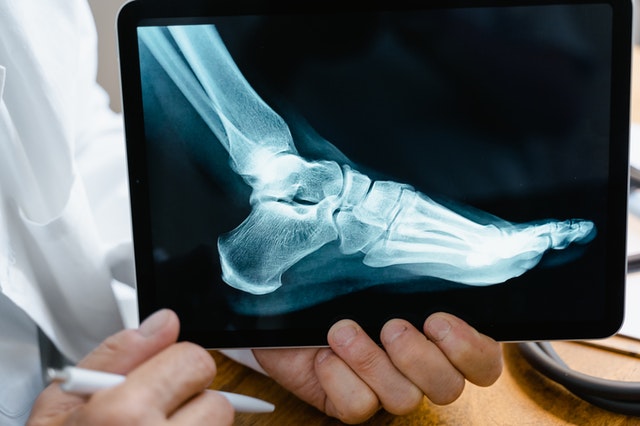
Digital imaging equipment and scanners that digitize documents and images allow radiology, pathology, and cardiology specialists to interpret these images in co-operative care centers at any distance.
Real-Time Patient Monitoring
Specialists can remotely monitor their patients in rural facilities for cardiac and ICU care.
Cooperation between health care partners is essential in the success of technology solutions for rural health care facilities. There are a variety of resources to explore if technology may seem like a viable solution.
Empowering Patients
Health care and health insurance options can be confusing, and many patients have difficulty understanding the process to get the care they need.
Each rural community has unique methods of networking and communicating. Working with existing community communication systems and creating more outreach methods to distribute
easy-to-understand materials can help patients understand their options better and make better-informed choices.
Funding
Funding for changes to the rural health care systems has come chiefly from grants. Still, cooperative agreements with associations, larger medical centers, and government entities have produced remarkable opportunities for outlying area medical facilities.
Team Effort
Partners from many organizations, health associations, vendors, government agencies, hospitals, healthcare organizations, funding groups, existing networks, and telemedicine programs are available to assist rural communities in need.
By identifying common objectives with other organizations, rural hospitals can specify health delivery problems and staffing issues to offer products and services to meet the rural facilities’ unique requirements.
By working together and overcoming obstacles rural hospitals are experiencing, the healthcare field, and the strength of the rural communities, can endure and experience a brighter future.
Vesta Teleradiology works with healthcare facilities in rural areas. No matter how large or small, we aim to help you provide the best healthcare possible for your patients. Our US Board Certified Radiologists have experience in traditional imaging as well as many subspecialties.
By utilizing Vesta, these small individual and dependent hospitals can have the feel of being of a larger network spearheaded by Vesta.

Since Vesta has many radiologists on staff, the hospital will expend on their offerings, have the access to multiple opinions, can consult with other hospitals in the network, no interruption in the service due to shortage of radiologists, vacation or unforeseen situations
Please reach out to us to learn more at 877-55-VESTA.


 Studies suggest