National Doctors’ Day: How Teleradiology Supports Physicians Behind the Scenes

Every year on March 30, National Doctors’ Day recognizes the skill, commitment, and daily impact of physicians across the country. The American Medical Association describes it as an annual observance honoring physicians’ dedication to delivering high-quality care. In 2026, that recognition feels especially important as hospitals and health systems continue to manage physician shortages, growing imaging demand, and the pressure to maintain fast, high-quality care across every hour of the day.

When people think about physicians on the front lines, they often picture emergency medicine doctors, hospitalists, surgeons, and specialists seeing patients in person. But radiologists are physicians too, and behind the scenes, they play a major role in helping those care teams move patient care forward. Through teleradiology, that expertise can reach hospitals, imaging centers, and providers whenever it is needed most.

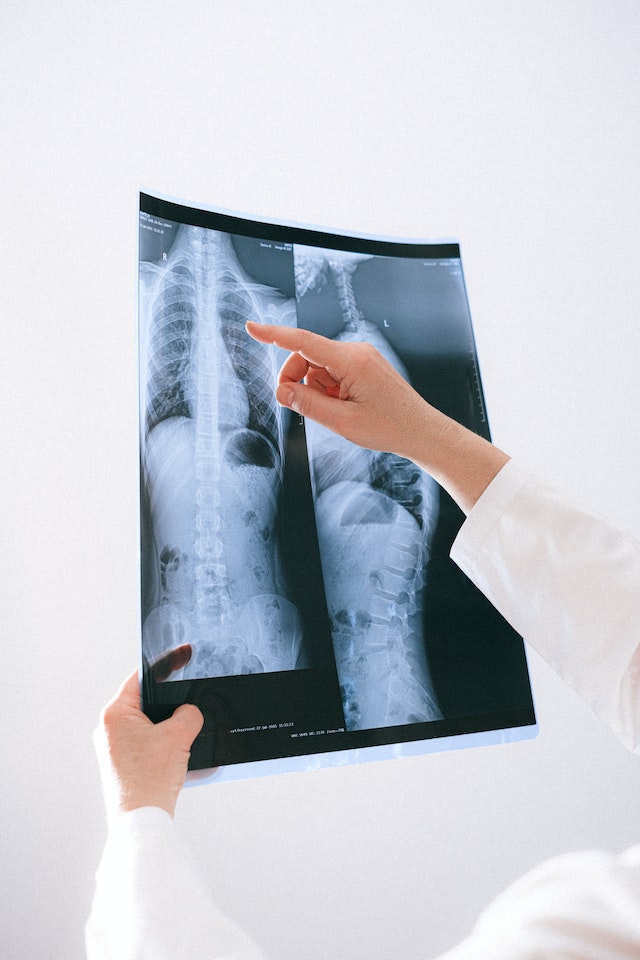
fda-cleared xray

For many hospitals, especially those needing overnight, weekend, holiday, or subspecialty coverage, teleradiology is one of the support systems that helps physicians make timely decisions with greater confidence. Vesta Teleradiology positions itself as a Joint Commission-accredited, 24/7/365 provider serving hospitals, imaging centers, and health systems nationwide with U.S. board-certified radiologists and subspecialty support.

Helping Physicians Get Answers Faster

For emergency physicians and inpatient teams, waiting on an imaging interpretation can slow down patient flow, delay treatment decisions, and add pressure to an already demanding shift. That is one reason teleradiology matters so much behind the scenes. The right partner helps make sure studies are read promptly, critical findings are surfaced quickly, and referring physicians have the information they need when they need it.

This support is even more meaningful today because physician workforce strain is not easing. AAMC says the United States is projected to face a physician shortage of between 13,500 and 86,000 physicians by 2036, and ACR recently highlighted radiology workforce shortages and rising imaging volumes as a continuing challenge for the field.

Supporting Physicians Beyond After-Hours Coverage

Modern teleradiology is about more than reading cases at night. Hospitals increasingly need dependable coverage models that support physician teams around the clock, fill subspecialty gaps, and integrate smoothly into existing operations. That can mean helping a hospitalist get a faster final interpretation, supporting an ED physician with urgent reads overnight, or giving a facility access to subspecialty expertise that may not be available locally. RSNA has noted that radiology demand continues to outpace radiologist capacity, which adds to the importance of scalable support models.

Vesta’s service positioning reflects that broader support role. The company highlights 24/7 coverage, subspecialty interpretations, support for hospitals and imaging centers, and service across all 50 states.

Why This Matters for Rural and Underserved Communities

National Doctors’ Day is also a good time to recognize the physicians serving rural and underserved communities, where access challenges can be even more severe. Federal telehealth guidance continues to emphasize how telehealth can expand access in rural settings, and HRSA’s telehealth office exists specifically to improve access to quality care through integrated telehealth services.

For imaging, that can translate into meaningful operational support. Teleradiology can help hospitals maintain coverage when local recruiting is difficult, when internal teams need backup, or when subspecialty interpretation is not available onsite. Vesta also specifically connects its AI-assisted imaging strategy to benefits for both large health systems and rural or underserved communities.

The 2026 Angle: AI as a Support Tool, Not a Substitute

Another meaningful part of this discussion is the growing role of AI in helping physicians and radiologists manage workload. In 2026, hospital leaders are asking more practical questions about AI: Can it help prioritize worklists? Can it support faster review? Can it improve workflow without compromising physician oversight?

Powering Quality and Efficiency Through AI

That is the right way to approach it. AI is most useful when it works in support of physicians rather than trying to replace clinical judgment


A Good Time to Recognize the Physicians Behind the Images

Doctors’ Day is not only about the physicians patients see face-to-face. It is also a reminder to appreciate the many physicians working behind the scenes to help every care decision happen. Radiologists, subspecialists, and the teleradiology teams supporting hospital operations are part of that story.

For hospitals in 2026, one of the most practical ways to support physicians is to strengthen the systems around them. Reliable teleradiology coverage, subspecialty access, and AI-enhanced workflow can help reduce bottlenecks, improve responsiveness, and make it easier for physicians to focus on patient care. On National Doctors’ Day, that is a worthwhile reminder: supporting doctors does not only mean celebrating them. It also means giving them the tools, coverage, and partnerships that help them do their jobs well.




Top Qualities to Look for in a Teleradiology Company in the USA in 2026

In 2026, hospitals and imaging providers are looking beyond a vendor that can read studies after hours. They are looking for a teleradiology partner that can help protect turnaround times, expand subspecialty access, support strained radiology teams, and use AI responsibly to improve workflow without replacing radiologist judgment. That shift matters because radiology demand and workforce strain are still real, and healthcare organizations need solutions that are both scalable and clinically reliable. AAMC continues to project a broad U.S. physician shortage by 2036, while RSNA has highlighted ongoing radiologist workforce pressure and rising imaging volume.

So what should modern hospitals look for in a teleradiology company in the USA in 2026?

  1. U.S.-Based, Board-Certified Radiologists

The foundation still matters most. A strong teleradiology company should offer U.S.-based, board-certified radiologists who understand clinical expectations, communication standards, and the realities of American hospital workflows. In a market where speed matters, quality cannot become an afterthought. Vesta partners with U.S. board-certified radiologists, nationwide coverage, and support for hospitals, imaging centers, and urgent care facilities.

  1. Real Subspecialty Coverage, Not Just General Overflow

In 2026, hospitals should look beyond basic overnight reading coverage. They should ask whether a teleradiology company can support subspecialty interpretation when complexity rises. Neuro, body imaging, MSK, emergency imaging, and other focused reads can affect confidence, consistency, and downstream care decisions. Radiology workforce pressure is not evenly distributed, and subspecialty gaps can be especially difficult to fill.

That is why a modern teleradiology partner should be able to deliver both routine coverage and access to deeper expertise when needed.

  1. 24/7/365 Coverage That Holds Up Under Stress

Plenty of companies say they offer around-the-clock service. The better question is whether that coverage remains dependable on nights, weekends, holidays, and during sudden surges in volume. Hospitals should look for a partner with a proven operating model for continuous coverage, not just marketing language about availability. Vesta is proud to offer 24/7/365 support, preliminary and final interpretations, and scalable coverage across the U.S.

That kind of consistency matters because radiology delays can affect ED throughput, inpatient flow, and clinician satisfaction.

  1. AI-Enhanced Workflow That Supports Radiologists

In 2026, AI is no longer a futuristic talking point. It is part of the decision set. But hospitals should be careful about how they evaluate it. The best teleradiology companies use AI to support workflow, triage, prioritization, consistency, and operational efficiency while keeping radiologists in control of interpretation. RSNA publications have noted that AI can improve productivity and support report generation and workflow efficiency, but they also stress that safe deployment, validation, and thoughtful integration are essential. FDA resources likewise show a growing U.S. landscape of AI-enabled medical devices and active regulatory guidance around lifecycle management and safety.

Grayscale radiology AI hero image showing imaging screens and a neural circuit concept representing governance, workflow, and qualityVesta has invested in AI-assisted imaging and workflow partnerships, including Qure.ai, Carpl.ai, and RadPair, as well as internal AI-based support tools that help staff retrieve protocols, schedules, credentialing information, and specialty details more efficiently. Vesta also states that it uses AI-driven prioritization and cloud-based workflow tools to help radiologists surface critical findings faster and return reports without delay.

For hospitals, the takeaway is simple: do not ask whether a teleradiology company uses AI. Ask how it uses AI, where it fits into workflow, and whether it strengthens speed and quality without weakening oversight.

  1. Seamless Integration With Existing Systems

A teleradiology relationship should make operations easier, not harder. That means the company should be able to integrate with PACS, RIS, HL7, and related workflow infrastructure in a way that minimizes friction for staff. Fast onboarding, dependable communication, and technology compatibility should all be part of the evaluation process. Vesta offers HL7 integration, infrastructure support, managed implementation capabilities, and customizable IT solutions as part of its service mix.

The more seamless the operational fit, the faster a facility can realize value.

  1. Support for Rural and Underserved Facilities

Hospitals in rural and underserved areas often feel imaging access problems first. AHRQ has noted that rural communities face provider shortages and may benefit significantly from telehealth-supported care models. Teleradiology can be especially valuable when geography and staffing limitations make local subspecialty access difficult.

Vesta uses AI-enabled radiology expansion as a way to support hospitals of every size, including rural and underserved communities.

  1. Accreditation, Reliability, and Communication

Hospitals should also look for proof of organizational maturity. Accreditation, dependable service, and direct communication pathways all matter. Vesta is a Joint Commission-accredited provider and emphasizes timely, secure interpretations and direct service support.

In practical terms, a strong teleradiology company should be able to answer these questions clearly:

How fast can you onboard us?
Who reads our cases?
What subspecialties do you cover?
How do you handle critical findings?
How does your AI fit into workflow?
How do your radiologists communicate with our team?

The Bottom Line

In 2026, the top qualities to look for in a teleradiology company in the USA go well beyond basic night coverage. Hospitals should prioritize clinical quality, subspecialty depth, dependable 24/7/365 service, strong integration, and AI-enhanced workflow that improves efficiency while preserving radiologist oversight. For organizations trying to protect patient flow, reduce coverage risk, and modernize imaging operations, those qualities are no longer optional. They are the standard modern hospitals should expect from a serious teleradiology partner.


Subspecialty Night & Weekend Coverage: A Redundancy Model for Neuro + Body Imaging Reads

Overview

  • Nights/weekends are where imaging systems “stress test” themselves—coverage gaps show up first in neuro and body.
  • ACR’s workforce update underscores sustained supply–demand pressure and rising attrition trends.
  • Vizient highlights continued imaging demand growth drivers that affect hospital capacity planning.
  • Redundancy isn’t just “more reads.” It’s minimum viable coverage, SLA tiers, and escalation rules that trigger backup automatically.
  • The best model blends onsite teams with subspecialty teleradiology as a structured backstop (not a last-minute scramble).

Why nights/weekends fail differently

During the day, you can usually see trouble coming—lists get longer, inboxes fill up, and someone calls a meeting. At night or on weekends, issues don’t announce themselves. They creep in, and the first sign is often a delay in care or a bottleneck in the Emergency Department.

  • delayed inpatient management decisions
  • missed or late critical communications
  • inconsistent subspecialty interpretation when generalists are stretched

Neuro and body imaging become the pressure points because they’re high-impact (stroke, hemorrhage, acute abdomen, PE) and high-volume (CT utilization doesn’t sleep).

Trend reality: demand up, staffing tight

The ACR describes a shortage environment that isn’t expected to resolve on its own without deliberate interventions, pointing to concerning attrition dynamics over recent years. At the same time, imaging demand growth continues to be a strategic planning topic for health systems, influenced by aging populations, shifting care settings, and technology-driven utilization.

This is why “we’ll figure it out on call” stops working. You need a model.

A redundancy model you can implement (without rebuilding your department)

1) Define minimum viable coverage by shift

Write down what must be protected:

  • ED CT head + stroke pathway imaging (neuro)
  • CT A/P for acute abdomen, high-risk oncology complications (body)
  • CTA chest for suspected PE when it changes disposition
  • critical result communication expectations

This becomes the baseline against which you measure risk.

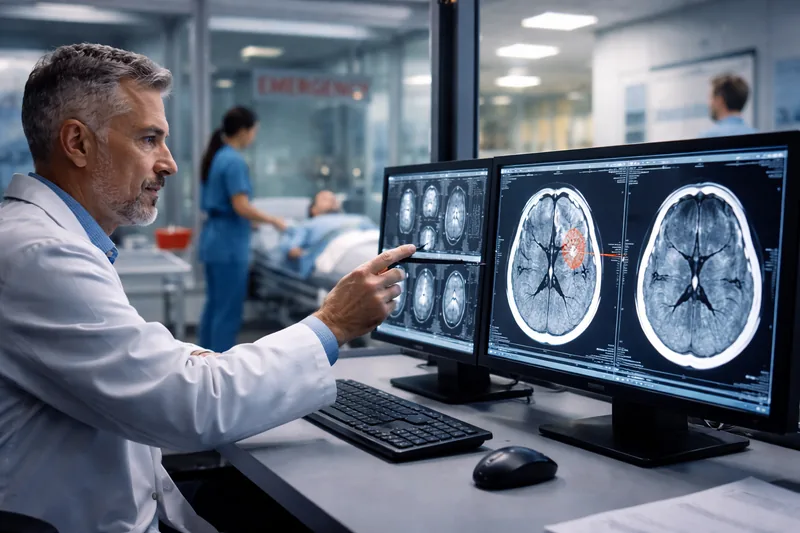
Radiologist reviewing ED CT head scans for stroke pathway imaging on dual monitors to support rapid diagnosis and treatment decisions.2) Build priority tiers that match clinical urgency

Example structure:

  • Priority 1: stroke activation, suspected hemorrhage, PE, acute abdomen with sepsis concern
  • Priority 2: urgent inpatient/ED studies that guide immediate treatment
  • Priority 3: routine reads that can safely phase in

Then attach SLAs to each tier.

3) Put escalation into policy (not personality)

A strong escalation plan answers:

  • What is the trigger? (minutes past SLA, volume threshold, or specific study types)
  • Who is the backup? (named role, not “someone”)
  • How is the handoff documented?
  • How do critical findings get communicated if systems are stressed?

If escalation depends on a single person noticing a problem, you don’t have redundancy—you have hope.

4) Use subspecialty teleradiology as “coverage insurance” for the riskiest windows

The riskiest windows are predictable:

  • 7 p.m.–2 a.m. ED spikes
  • weekend daytime when staffing is lean
  • holiday stretches
  • periods of planned PTO or vacancies

Build a standing model where neuro/body backup activates under defined conditions. That keeps your onsite team from being overloaded and protects quality.

5) Measure the outcome that leadership cares about

Beyond “radiology TAT,” track:

  • ED disposition time impacts (where possible)
  • percent of Priority 1 studies meeting SLA
  • critical results closed-loop compliance
  • discrepancy trends for high-risk study types

These translate into patient flow and risk reduction—language administrators understand.

FAQ

What’s the best overnight radiology coverage model?
For most hospitals, a hybrid model works: onsite general coverage plus defined subspecialty backup for neuro/body studies with strict SLAs and escalation triggers.

How do we justify redundancy spend?
Tie the model to ED throughput, avoided diversion, reduced overtime/burnout, and risk reduction—then measure Priority 1 SLA compliance.

How Vesta fits
Vesta Teleradiology supports continuity with subspecialty depth for neuro and body imaging, SLA-driven coverage, and escalation-ready redundancy designed for nights, weekends, and surge periods.


Celebrating National Health Center Week: The Frontline of Community Care

Every August, National Health Center Week (August 3-9 2025) recognizes the critical role community health centers play in delivering affordable, high-quality healthcare across the United States. These centers serve more than 30 million patients annually, many of whom live in medically underserved or rural regions. But as demand for comprehensive care grows, so does the need for accessible diagnostic imaging—an area where teleradiology is helping bridge the gap.

The Imaging Gap in Rural and Underserved Areas

Access to diagnostic imaging remains a persistent challenge for many community health centers. Facilities in rural or low-resource areas often face:

  • Limited access to on-site radiologists
  • Delays in turnaround times for imaging reads
  • Difficulty recruiting or retaining subspecialty radiologists
  • Rising imaging volumes due to expanded preventive care

These barriers can compromise patient outcomes, especially in time-sensitive cases involving stroke, cancer screening, or trauma. Imaging is a critical step in diagnosis—and delays in radiology reports can delay treatment.

Teleradiology: A Scalable Solution for Imaging Access

Teleradiology enables healthcare facilities to send medical images (like X-rays, CT scans, MRIs, and mammograms) electronically to off-site, board-certified radiologists for interpretation. For community health centers, this technology is transformative.

Here’s how teleradiology supports health centers during National Health Center Week and year-round:

  1. 24/7 Coverage, Including Nights and Holidays
    Teleradiology ensures that community health centers can offer imaging services around the clock—even if there’s no radiologist physically on-site. This is especially important for urgent care and emergency settings in rural hospitals.

  2. Access to Subspecialty Reads
    Facilities may not always have access to neuroradiologists, MSK radiologists, or breast imaging specialists. Vesta Teleradiology offers access to subspecialty reads, ensuring every case is interpreted by the right expert.

  3. Faster Turnaround Times
    With cloud-based image transfer and structured reporting, teleradiology reduces delays and improves turnaround times. That means faster results, quicker clinical decisions, and better patient care.

  4. Support for Preventive Imaging Initiatives
    Community health centers are expanding their use of imaging for preventive care—particularly for breast cancer screening, lung health, and cardiovascular risk. Teleradiology provides scalable support during screening campaigns or high-volume periods.

    Female patient undergoing a mammogram with a radiologic technologist in a medical exam room

  5. Cost-Effective Radiology Staffing
    Teleradiology helps optimize budgets by supplementing in-house radiologists or replacing expensive on-call coverage. Flexible pricing models ensure services align with facility needs and patient volume.

Why Imaging Access Matters More Than Ever

The need for diagnostic imaging continues to rise in 2025. According to recent projections from the Harvey L. Neiman Health Policy Institute, demand for imaging will grow at a faster rate than the radiologist workforce through 2055. In rural and medically underserved areas, the shortage is even more pronounced.

Community health centers are on the front lines of closing this gap. But without reliable imaging access, they face limitations in diagnosis, monitoring, and treatment planning.

How Vesta Teleradiology Helps Health Centers Thrive

At Vesta, we understand the pressures community health centers face. That’s why we offer:

  • Fully customizable radiology services tailored to your patient population
  • Rapid onboarding and seamless PACS integration
  • Weekend, holiday, and night coverage
  • A team of U.S.-based, board-certified radiologists
  • Subspecialty interpretations across all major imaging fields

Whether you’re a rural clinic needing full radiology coverage or a mid-sized health center looking for overflow support, our teleradiology solutions are built to help you scale—without compromising care quality.

Join the Movement: National Health Center Week

National Health Center Week is more than a celebration. It’s a reminder that access, equity, and quality care start with supporting the providers who serve our most vulnerable populations. Teleradiology is a powerful tool to help meet that mission.

If your health center is planning to expand imaging services or looking for reliable radiology coverage, Vesta is here to help.

Let’s build healthier communities—one accurate read at a time.


The Silent Strain: How Radiologist Shortages Are Impacting Patient Wait Times Nationwide

Across the United States, radiologist shortages are creating a ripple effect that many patients never see—until they’re left waiting. Waiting for a diagnosis. Waiting for peace of mind. Waiting for answers that may change the course of their care.

In Michigan, a patient recently reported waiting over 80 days for imaging results. Another waited three months for mammogram findings. These delays aren’t isolated. They’re part of a larger trend, driven by a persistent imbalance between the number of radiologists available and the ever-growing demand for diagnostic imaging.

A Nationwide Bottleneck

According to recent projections from the Harvey L. Neiman Health Policy Institute, the radiologist shortage is expected to continue through 2055 if action isn’t taken. Even with moderate increases in the number of new residents entering the field, demand for imaging — especially advanced modalities like CT and MRI — is expected to outpace supply.

Contributing factors include:

  • An aging population requiring more imaging.
  • Increasing use of imaging in preventive and chronic disease care.
  • Radiologist burnout and early retirements, especially post-COVID.
  • Limited growth in federally funded residency slots.

The Real-World Impact: Delayed Diagnoses, Frustrated Patients

For hospitals and imaging centers, the shortage translates into longer turnaround times, heavier workloads, and sometimes critical delays. For patients, the effects are personal and painful.

Delayed imaging results can:

  • Prolong anxiety around undiagnosed conditions.
  • Delay the start of necessary treatment.
  • Create bottlenecks in care coordination between departments.

And for rural or smaller hospitals, the challenge is even greater. With fewer in-house specialists, these facilities are often forced to outsource or delay imaging interpretations—unless they have a trusted teleradiology partner.

A Scalable Solution: Vesta Teleradiology

At Vesta Teleradiology, we understand the strain radiology departments are under. That’s why we offer 24/7/365 access to U.S.-based, board-certified radiologists—available for both preliminary and final reads, STAT or routine. Whether you’re managing a busy urban hospital or a small rural facility, our scalable services can be tailored to your needs.

We provide:

  • No minimum read requirements
  • Subspecialty interpretations across neuro, MSK, cardiac, PET, pediatric, and more
  • Customizable workflows and reporting formats
  • Efficient communication channels for urgent findings and consults

Our goal is simple: to help you deliver timely, high-quality care without compromise.

The Bottom Line

Radiologist shortages may be a long-term challenge, but patient care can’t wait. Hospitals and healthcare facilities need dependable partners now more than ever.

If your team is feeling the pressure of delayed reads or overwhelmed radiology staff, Vesta Teleradiology is here to help.

Reach out today to learn how we can support your imaging department with fast, flexible, and expert radiology interpretations.


Addressing the Persistent Radiologist Shortage: Challenges and Solutions for the Future

The ongoing imbalance between radiologist supply and medical imaging demand in the U.S. is projected to continue through 2055 without significant intervention, according to recent research by the Neiman Health Policy Institute, (NHPI), published in the Journal of the American College of Radiology on February 12. As the population grows and ages, and imaging utilization increases, the shortage of radiologists poses a significant challenge for healthcare systems nationwide.

Projected Growth in Radiologist Supply

The NHPI study anticipates a nearly 26% increase in the supply of radiologists over the next 30 years, assuming residency numbers remain unchanged. However, even this growth may not be sufficient to meet rising imaging demands. If residency positions increase, the radiologist workforce could see a 40% expansion by 2055. Yet, attrition rates—especially post-COVID—pose a threat to this growth, highlighting the need for initiatives aimed at improving workplace well-being and retaining experienced radiologists.

Increasing Demand for Imaging Services

The demand for imaging services is expected to rise between 17% and 27% by 2055, driven largely by population growth and aging. Specific modalities like CT scans may see utilization increases as high as 59%, while others, such as nuclear medicine, may experience a decline. These projections underscore the urgency of balancing supply and demand to prevent prolonged patient wait times and compromised care.

Current Impact on Patients and Healthcare Systems

Patients across the U.S., including those in West Michigan, are already feeling the impact of the radiologist shortage. Delays in receiving imaging results have caused frustration, particularly for individuals with pressing health concerns such as fibroids and breast cancer risk. Healthcare providers, from radiologists to patient care technicians, are also facing mounting pressure to deliver timely care amidst workforce shortages.

Potential Solutions to Mitigate the Shortage

To address this crisis, experts emphasize the need to increase radiology residency slots and curb inappropriate imaging use. Monitoring attrition patterns and enhancing workplace conditions are also crucial. Technological advancements, such as AI for improving radiologist efficiency and clinical decision support systems, present promising avenues for alleviating some of the burden on the current workforce.

Conclusion

The radiologist shortage in the U.S. is a complex issue that requires multifaceted solutions. Increasing residency positions, enhancing workplace well-being, and leveraging technology are essential steps to ensure patients receive timely and accurate imaging services.

Top Radiology Company: Onsite and Remote

At Vesta Teleradiology, we are committed to bridging the gap caused by radiologist shortages. Our team of U.S. board-certified radiologists offers both on-site and remote services, providing reliable imaging interpretations to meet your facility’s needs efficiently. Let us help you navigate the challenges of radiologist shortages with our expert solutions.


Radiologists Say They’d Accept Lower Pay for Better Work-Life Balance

A recent Medscape survey, published on Friday, reveals that around 60% of radiologists would accept lower pay for a better work-life balance. Many radiologists face challenges balancing family and professional demands, with 39% feeling conflicted as parents and 33% struggling to achieve balance. Michael Ziffra, MD, from Northwestern, noted the persistent time issue for doctors, who wish to spend more time with family while also feeling compelled to prioritize patient care.

The survey found that 65% of radiologists consider prioritizing personal and family time very important, while 30% view it as somewhat important. Regarding exercise, 30% of radiologists work out 2-3 times a week, 24% do so 4-5 times, and only 13% do not exercise at all.

Most radiologists do not prioritize reducing screen time, with 63% not attempting to cut back on personal online hours. For personal internet use, 55% spend 2-4 hours daily, while 46% spend fewer than 2 hours on professional use.

Vacation time also varies, with 45% taking more than six weeks annually, 25% taking 3-4 weeks, and 13% taking 5-6 weeks. Only 5% take less than a week off each year.


Can Yoga Help Radiologists with Burnout?

A study published on January 31 in JAMA Network Open suggests that Yoga, specifically Sudarshan Kriya Yoga (SKY), could help alleviate burnout symptoms in radiologists. Led by Duygu Sag, PhD, and Fahri Saatcioglu, PhD, the research found that SKY reduced psychological distress and burnout while increasing wellness in physicians, including radiologists and radiation oncologists. The study emphasizes SKY as a safe and practical method to manage stress and burnout, which are significant issues in the medical profession.

yoga practice
Can yoga help with burnout?


Burnout negatively impacts physicians’ well-being, personal lives, and patient care, and has been a factor in their decision to leave the workforce. The study, conducted online from November 2021 to March 2022, involved 129 physicians from Turkey, Germany, and Dubai, comparing SKY with a stress management education program. Participants in the SKY group practiced daily and attended weekly follow-up sessions.

The researchers used various scales to measure the programs’ effectiveness and found that the SKY group experienced lower stress, decreased depression, reduced insomnia, increased professional fulfillment, and reduced work exhaustion and burnout compared to the control group. However, there was no significant effect on self-reported medical errors. The authors conclude that SKY could be a practical tool to mitigate stress and burnout in various professions facing similar challenges.


Is this Affecting Radiologist Staffing?

High workloads and mental demands contribute to burnout among radiologists, leading many to retire early or leave the field. The COVID-19 pandemic has exacerbated these issues, accelerating the rate at which radiologists are exiting the profession​


How Teleradiology Helps

Teleradiology offers a vital solution to the current radiologist shortage by enabling remote reading of imaging studies, thus bridging the gap between demand and available workforce. By leveraging advanced technology, teleradiology ensures timely and accurate interpretations, especially for underserved and rural areas that struggle to attract full-time radiologists. As a top teleradiology company, Vesta is committed to providing high-quality remote radiology services, enhancing patient care, and supporting healthcare facilities in managing their workloads efficiently. We support small, medium and large volumes for ERs, private facilities, outpatient imaging and mobile radiology.


Sources:

Radiologybusiness.com
diagnosticimaging.com
openai.com

An Update to the Physician Shortage Problem

The AAMC (Association of American Medical Colleges) has released new projections indicating a physician shortage of up to 86,000 physicians in the United States by 2036. This underscores the critical need for sustained and increased investments in training new physicians to address the country’s healthcare needs. The report, conducted by GlobalData Plc, includes various scenarios based on trends in healthcare delivery and the workforce. While the projected shortfall is smaller than previous estimates, it still highlights the necessity for additional investments in graduate medical education (GME). Demographics, particularly population growth and aging, are driving the increasing demand for physicians. The report also notes a significant portion of the physician workforce nearing retirement age, which will further decrease the physician supply. Addressing underserved communities could require approximately 202,800 more physicians than current estimates. Lifting the federal cap on Medicare support for GME and bipartisan legislation like the Resident Physician Shortage Reduction Act aim to alleviate the shortage, but further efforts are needed to meet future healthcare demands.


Rural Americans’ Healthcare Challenges

Rural Americans face significant healthcare challenges, with fewer available doctors compared to urban areas, exacerbating existing health issues. Dr. Bruce A. Scott, President of the American Medical Association, emphasizes the urgent need for policymakers to address these disparities. Rural communities experience higher rates of various illnesses, exacerbated by economic pressures and limited access to healthy living conditions. The shortage of specialists and the closure of rural hospitals further compound the problem. Insufficient access to primary care physicians is a pressing issue, with inadequate residency spots and decreasing applications from rural areas. The AMA advocates for changes to the Medicare physician payment system, which has seen a decline in rates over the years. Administrative burdens, such as prior authorizations, are also contributing to physician burnout and compromising patient care. To combat the doctor shortage and rural health challenges, the AMA advocates for healthcare reforms, including overhauling the Medicare payment system, expanding telehealth, increasing residency positions, incentivizing rural practice, and addressing workforce stresses.

hospitals in rural America

Radiology Is Being Hit, Too

Radiology departments are grappling with worsening staffing shortages alongside declining reimbursements. During the RSNA 2023 meeting, Ashish Sant from Merge by Merative discussed key trends and challenges. Staffing and cost management remain top concerns due to burnout and insufficient replacements for retiring radiologists. To address these issues, there’s a push towards cloud-based solutions, with a modular approach easing concerns about data security and patient information management. The pandemic has accelerated the shift towards cloud adoption, highlighting benefits such as accessibility and cost reduction. Integrating AI into radiology workflows is another focus, though challenges persist in seamlessly embedding AI solutions. Merge’s partnership with Microsoft Azure aims to provide customers with cloud solutions tailored to their needs.


Radiology Support for the US

Addressing radiology staffing shortages is crucial for ensuring efficient and effective healthcare delivery. Whether you’re a hospital, outpatient center, or part of the Indian Health Service (IHS), Vesta is here to help. Our team can provide on-site radiologists or teleradiologists to meet the specific needs of your facility. By partnering with us, you can ensure timely and accurate radiology services, ultimately improving patient care and outcomes. Don’t let staffing shortages hinder your operations – reach out today to learn how we can support your radiology department.


Sources:

Aamc.org
dtnpf.com
Healthimaging.com
openai.com


Winter Influx of Patients: What Hospitals Can Expect This Year

Every year, hospitals experience an influx of patients during winter due to respiratory illnesses, falls, and accidents. However, with the ongoing pandemic, the winter season brings extra challenges for the medical staff.

Preparing ahead is crucial to ensure that hospitals can cope with the surge in the winter season.

What to Expect

The winter season often increases respiratory illnesses such as pneumonia and bronchitis. Hospital admissions for these conditions can increase by up to 25% during winter. Medical staff should expect to see more patients with respiratory illnesses in 2023/2024.

Imaging procedures such as X-rays and CT scans can help to diagnose and monitor these conditions. Therefore, hospitals should ensure enough imaging technicians, equipment, and supplies.

Hospitals can also expect more patients with falls and accidents. Icy roads and pavements can cause slips, trips, and falls, leading to broken bones and head injuries.

slip and fall winter accidents

Imaging procedures such as X-rays and MRI scans can help to diagnose fractures and internal injuries. Therefore, hospitals should ensure that they have enough imaging equipment to diagnose and monitor these injuries.

They should also provide an imaging safety committee to promote safety in the imaging department.

With the ongoing pandemic, hospitals should expect a surge in COVID-19 patients during the winter season. The increase in COVID-19 cases will put additional pressure on hospital resources.

Imaging procedures such as chest X-rays and CT scans can help to diagnose and monitor COVID-19 patients. Therefore, hospitals should ensure enough imaging equipment to diagnose and monitor COVID-19 patients.

They should also have policies and procedures to protect staff and patients from infection.

How to Prepare

The winter season not only brings a surge in patients but also a surge in demand for medical staff. Hospitals should expect medical staff shortages to increase during the winter months due to staff illness, vacation time, and extra medical staff needed to manage the surge.

Therefore, hospitals should consider hiring temporary medical staff during winter to cope with the increased demand. They should also provide ongoing training for new and temporary staff, including imaging technicians.

Vesta Teleradiology to fill in Gaps and Radiologist Shortages

In conclusion, the winter influx of patients can be challenging for hospitals, especially with the ongoing pandemic. Hospitals should prepare to cope with the patient surge and medical staff shortages.

Imaging procedures can help to diagnose and monitor respiratory illnesses, falls and accidents, and COVID-19 patients. Therefore, hospitals should ensure that they have enough imaging equipment, technicians and of course radiologists for interpretations. Vesta Teleradiology provides US Board Certified radiologists who will work with you day and night, 24/7.

They should also have policies and procedures to protect staff and patients from infection. By preparing ahead, hospitals can ensure that they provide the best possible care for their patients during winter.


State of the Healthcare Industry: Hospital Strikes

Americans, and everyone all over the world, depend on proper medical care. From dental checkups to urgent care visits, medical professionals are absolutely essential, especially when it comes to massive emergencies. If we didn’t learn this fact yet, the pandemic certainly brought it into focus. In 2020, hospitals and medical buildings surged with COVID patients, overloading facilities and professionals alike. Now, with labor shortages, and unfair compensation, nurses and medical staff are going on strike to re-negotiate contracts to make their workplaces a fairer place to be.

Healthcare Strikes Going on Now

Beginning in January of this year, over 7,000 medical professionals went on strike in New York City, says Vox. The strikes involve Mt. Sinai Hospital, and three other facilities, located in the Bronx, owned by Montefiore. Recent contract negotiations failed to provide health care workers with more staff, as well as desired salary compensation, says the article. Over 700 positions are open within the Montefiore facilities, and nurses and medical staff feel overburdened and undervalued. As explained by Vox, when billable hours and revenue collection are limited to doctors who prescribe surgeries and medicine, nurses and other medical staff are a complete cost to the hospital. Even though these professionals are essential to properly run any medical facility, investing in nursing staff becomes a problem when the American structure is a pay-for-treatment transaction in healthcare systems that are for profit.


Last month, on February 27, another strike took place on Long Island with about 800 nurses, says CBS News. At Northwell Health’s South Shore University Hospital, nurses are demanding “safe staffing and fair wage,” says the article. 99% of the nurses voted to authorize the strike.

burnt out


It isn’t just the United States that’s involved with strikes. Across the pond, in the UK, nurses are also having a difficult time negotiating what they need in their contracts, says IN News. For the first time in Royal College of Nursing history, medical staff, which spanned over 100 services, held England’s largest nursing strike on March 1 of this year. In the 48-hour strike, staff from emergency departments, intensive care units, cancer care, and other services were involved, says the article. Compensation, workload, and workplace conditions are the terms UK nurses are fighting for. Since 2010, nurses’ compensation has fallen 8%, says the article.


Both in the US and UK, nurses have made it clear that they do not want to strike, leaving vulnerable patients in a bind, says USA Today, and IN News. “Bosses have pushed us to strike by refusing to seriously consider our proposals to address the desperate crisis of unsafe staffing that harms our patients,” said a union representative from The Nurses Association to USA Today.


Re-negotiated contracts and tentative agreements were reached in New York, some involving a raise of 5-7% over the next three years for nursing staff, as well as staffing increases, says Today. Negotiations in the UK came to an agreement on March 16, with more than 1 million NHS staff receiving a raise, says gov.uk.


Shortage in Radiologists

It’s not just nurses that are in shortage, but also those in the radiology field as well. Luckily, partnering with a teleradiology company like Vesta allows you to fill in those gaps you have—whether you’re short-staffed for weekend work or simply need reliable interpretations around the clock. Vesta also offers top-to-bottom healthcare staffing from its sister company, Momentum Healthcare Staffing for positions such as locums tenens and permanent nurse practitioners, physicians, medical assistants and more.

radiologists