FDA’s 2025 AI Draft Guidance: A Buyer’s Checklist for Imaging Leaders

In January 2025, the U.S. Food and Drug Administration released a draft guidance for AI-enabled medical devices that lays out expectations across the total product life cycle—design, validation, bias mitigation, transparency, documentation, and post-market performance monitoring. For imaging leaders, it’s a clear signal to tighten procurement criteria and operational guardrails before piloting AI in CT, MRI, mammo, ultrasound, or PET.

As teams lock in Q4 budgets and head into RSNA season, the FDA’s AI lifecycle draft (Jan 2025) and the now-final PCCP (Dec 2024) have reset what buyers should expect from AI in imaging—devices, software, and workflows. Vendors are updating claims and governance; this issue distills a practical buyer’s checklist—multisite validation with subgroup results, drift monitoring and version control, clear in-viewer transparency—and how pairing those tools with Vesta’s subspecialty coverage and QA turns promise into measurable gains across CT/MRI/US/mammography.

A practical buyer’s checklist

Use this when evaluating AI for your service lines:

  1. Intended use fit: Verify indications, inputs/outputs, and claims match your pathway and patient mix.
  2. Validation depth: Prefer multisite, diverse datasets; stratified results; pre-specified endpoints; documented data lineage and splits.
  3. Bias mitigation: Demand subgroup performance (sex, age, race/ethnicity when available), scanner/vendor variability analyses, and site-transfer testing.
  4. TPLC plan: Require drift monitoring, retraining triggers, versioning, and how updates are communicated.
  5. Human factors & transparency: Ensure limitations, failure modes, and interpretable outputs are presented in-viewer without slowing reads.
  6. Security & support: Patch cadence, vulnerability disclosure, SOC2/ISO posture, uptime SLAs, and rollback paths for version issues.
  7. Governance: Define metrics owners, review cadence, and thresholds to pause or roll back a model.

Implementation playbook: pilot → scale without disruption

Start with a 60–90 day pilot in one high-impact line (e.g., ED stroke CT or mammography triage) and lock in baselines: median TAT, positive/negative agreement, recall rate, PPV/NPV, and discrepancy rate. Set guardrails—when to auto-triage vs. force human review—and document escalation paths for model failures. Require case-level confidence and structured outputs your radiologists can verify quickly. Stand up a model governance huddle (modality lead, QA, IT security, and your teleradiology partner) that meets biweekly to review drift signals, subgroup performance, and near-misses. Bake in a rollback plan (version pinning) and a quiet-hours change window so updates don’t collide with peak volumes. As results stabilize, scale by cohort (e.g., expand to non-contrast head CT, then CTA) and keep training “micro-bursts” for techs/readers—short videos or checklists in-workflow. Tie vendor SLAs to uptime, support response, and clinical KPIs so the AI program stays accountable to operational value.

Where teleradiology fits

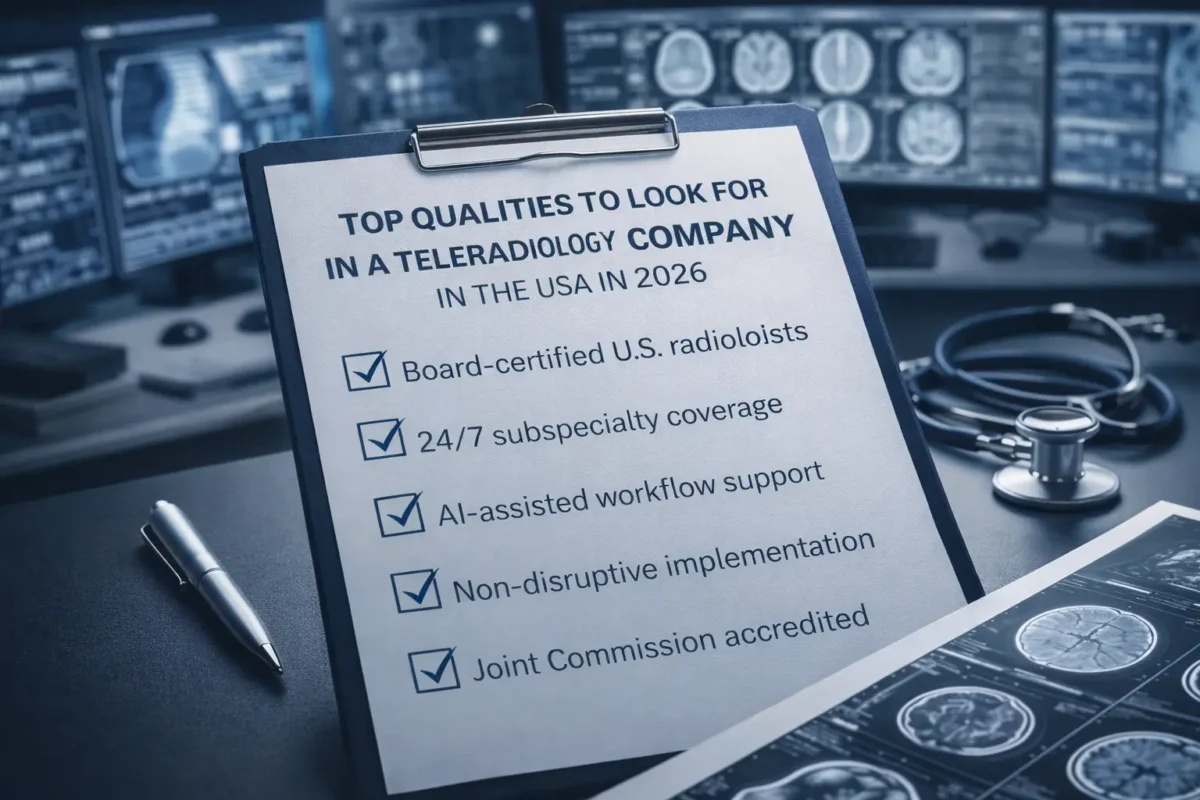
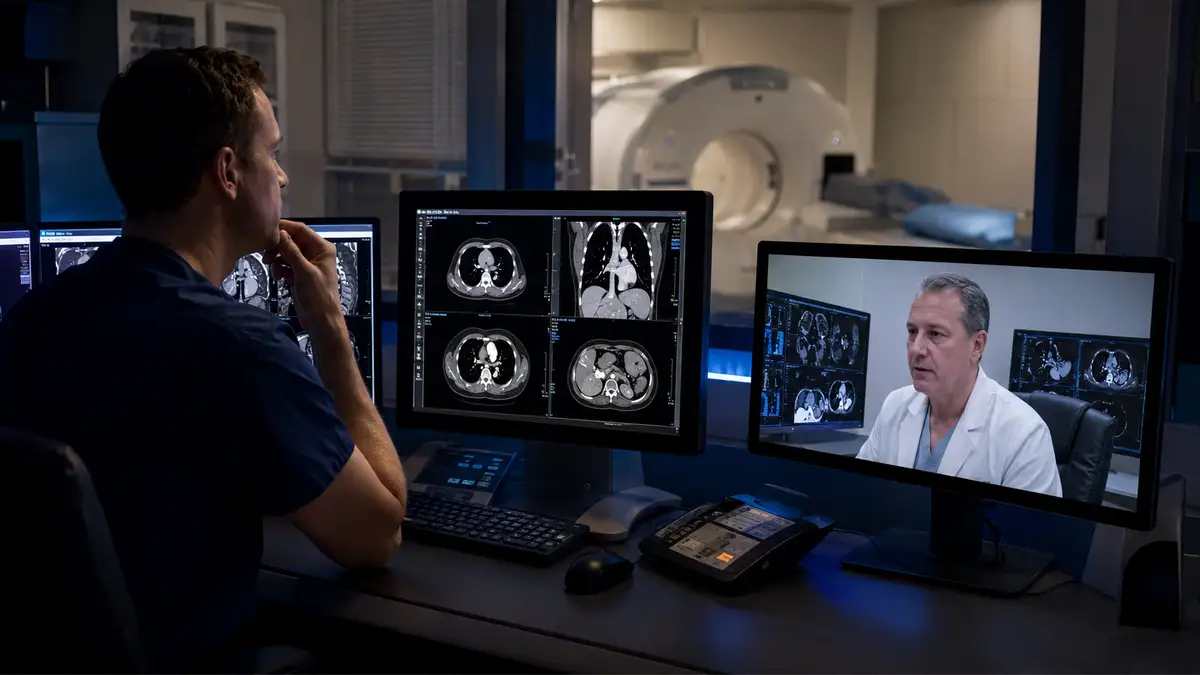
AI only delivers when it’s welded to coverage, quality, and speed. A teleradiology partner should provide:

  • 24/7 subspecialty + surge capacity: Vesta absorbs volume peaks so AI never becomes a bottleneck.
  • QA you can see: We benchmark pre/post-AI performance, add targeted second looks for edge cases, and feed variance data back to your team.
  • Standardized outputs: Structured reports that integrate model outputs with radiologist findings—no black-box surprises.
  • Smooth rollout: Pilot by service line (stroke CT, mammo triage, PE workups), then scale with tracked KPIs (TAT, PPV, recalls).
  • Interoperability & security: Seamless PACS/RIS/EMR integration with strict access controls, audit trails, and support for change-controlled updates.

Bottom line: Pairing AI with Vesta Teleradiology gives you round-the-clock subspecialty reads, measurable QA, and operational breathing room while you pilot and scale responsibly. If you’re mapping your AI roadmap under the FDA’s 2025 draft guidance, we’ll be your coverage and quality backbone—so your clinicians see faster answers and your patients see safer care. Visit vestarad.com to get started.


Summer 2025 Imaging Roundup: AI, New Modalities & Trends

The summer of 2025 has been packed with advancements in diagnostic imaging, from cutting-edge AI systems improving detection rates to emerging modalities pushing the boundaries of precision and speed. Here’s a look back at the most important developments from June through August that are shaping the future of radiology.

AI Is Reshaping Radiology Workflows

Generative AI Productivity Boost

In June, Northwestern Medicine unveiled a generative AI system capable of reducing radiologist reading time by up to 40% while identifying life-threatening conditions in milliseconds. This tool not only improves workflow efficiency but also offers a potential solution to the ongoing radiologist shortage (Northwestern Medicine).

ProFound AI for Mammography

A peer-reviewed study confirmed that iCAD’s ProFound AI significantly increases cancer detection rates, boosts diagnostic accuracy, and improves workflow for mammography screenings (ITN Online).

Aidoc’s $150M Expansion

July saw AI platform Aidoc raise $150 million in funding, led by NVIDIA and other major investors, aimed at expanding its reach into more hospitals and imaging centers globally (Aidoc).

Emerging Imaging Modalities and Research

Top Content Trends

Radiology publications in July spotlighted rising interest in abbreviated breast MRI, MRI-guided ultrasound for Parkinson’s disease, and dual-energy CT for understanding Long COVID-related lung changes (Diagnostic Imaging).

Photon-Counting CT and Whole-Body MRI

Photon-counting CT continues to gain attention for its ability to deliver higher resolution at lower doses, while whole-body MRI is increasingly used for cancer staging and early detection in high-risk populations (Radiology Business).

Multimodality Imaging at ACC.25

Cardiologists and radiologists at the ACC.25 conference explored how quantitative CT, functional cardiac MRI, and AI-enhanced echocardiography can bridge the gap between diagnostics and real-time therapy planning (American College of Cardiology).

August: A Month of Imaging Breakthroughs

AI-Native Imaging Viewers

Tech company New Lantern launched AI-native viewer modes for mammography and PET/CT, delivering sub-second load times and workflow automation (TMCNet).

Digital Radiography Gets Smarter

Advances in digital radiography are enhancing precision and speed, with newer systems providing better image quality at lower radiation doses (USA News).

ProCUSNet Ultrasound AI

Researchers at Stanford developed ProCUSNet, an AI tool that improved lesion detection by 44% and caught 82% of clinically significant prostate cancers on ultrasound—outperforming human interpretation (Becker’s Hospital Review).

DiffUS for Intraoperative Imaging

A new AI-based technique called DiffUS can create realistic ultrasound images from 3D MRI data, aiding in surgical planning and intraoperative navigation (arXiv).

Next-Gen PET Tracer

A novel PET tracer, Ga-68 Trivehexin, has shown promise in more accurately detecting breast cancer lesions and fibrotic lung tissue compared to traditional tracers (Journal of Nuclear Medicine).

Looking Ahead

The pace of innovation in diagnostic imaging this summer reinforces a clear trend: AI is no longer just an assistive tool—it’s becoming deeply embedded in clinical workflows. Coupled with emerging modalities like photon-counting CT and new PET tracers, radiology is entering an era of higher precision, speed, and accessibility.

AI-Enabled Ultrasound: Transforming Imaging at the Point of Care


In today’s fast-paced healthcare environment, ultrasound is increasingly recognized not just for prenatal or cardiac assessment, but as a versatile diagnostic tool across specialties. Now, artificial intelligence (AI) is accelerating ultrasound’s impact — reducing operator dependency, improving diagnostic confidence, and enabling faster bedside care. For imaging leaders, especially in rural or underserved settings, AI-powered ultrasound technology paired with teleradiology support offers a compelling path for enhanced access and precision.

Innovations in AI-Ultrasound You Should Know

  1. FDA Clearance for AI Thyroid Ultrasound
    In 2024, See-Mode Technologies received FDA clearance for an AI-powered thyroid ultrasound system that can detect and classify nodules using the ACR TI-RADS scale. It has shown promising results in standardizing reporting and reducing unnecessary biopsies and follow-ups.
    Source: https://www.auntminnie.com
  2. Projected Market Growth
    The global AI ultrasound market is projected to grow at a compound annual growth rate (CAGR) of 22% through 2029. This rapid growth is fueled by the rising burden of chronic disease, limited radiologist availability, and the push for faster, more accessible diagnostics.

    Source: https://www.pharmiweb.com/

  3. Rural Potential with Point-of-Care AI
    A JAMA Cardiology viewpoint outlines how AI-assisted point-of-care ultrasound (POCUS) can enable more accurate cardiovascular assessments even when performed by generalists—especially valuable in remote areas without imaging specialists.
    Source: https://jamanetwork.com
  4. Clinician Enthusiasm and Challenges
    The COMPASS-AI global survey found that 81% of clinicians support AI-assisted ultrasound, citing improved diagnostic utility and speed. However, top concerns include training, clinical validation, and workflow integration.

    Source: https://theultrasoundjournal.springeropen.com/

Infographic showing COMPASS-AI survey results on clinician support for AI-enabled ultrasound, benefits, and concernsWhy It Matters for Facilities and Radiology Teams

  • Reduces staffing burden: AI ultrasound reduces variability among operators, ideal for high-turnover or remote settings.
  • Speeds up decision-making: Frontline providers can quickly gather meaningful imaging data, while teleradiologists handle the interpretation.
  • Expands imaging reach: Portable, AI-powered ultrasound extends diagnostic capabilities to underserved regions.
  • Supports standardization: AI helps standardize image acquisition and reporting, improving overall workflow efficiency.

How Vesta Teleradiology Enhances AI-Ultrasound Value

While AI augments imaging workflows, expert interpretation is still essential. Vesta provides:

  • Subspecialty reads across thyroid, vascular, MSK, and more
  • 24/7 coverage with fast turnaround times
  • Seamless PACS/RIS integration for AI-acquired ultrasound data

Our radiologists help bridge the gap between frontline imaging and specialist analysis—ensuring that every AI-enabled ultrasound scan contributes to timely, confident patient care.

Bringing AI and Teleradiology Together

Whether you’re running a rural health center, a large outpatient clinic, or an emergency department, AI ultrasound paired with expert teleradiology interpretation helps:

  • Increase imaging access without compromising accuracy
  • Alleviate staffing constraints
  • Deliver faster diagnoses
  • Improve patient outcomes

AI in ultrasound is not replacing radiologists — it’s helping them focus on what matters most. With Vesta’s support, healthcare organizations can embrace innovation while maintaining high-quality, consistent imaging interpretation.


Advancing Healthcare Access: Teleradiology Support for Rural Hospitals in Illinois and Ohio

Access to quality healthcare in rural areas can be a significant challenge. For communities in Illinois and Ohio, where many rural hospitals and outpatient centers serve as lifelines, ensuring timely and accurate radiological services is crucial. As a teleradiology company, we specialize in bridging this gap by offering high-quality diagnostic imaging interpretation, ensuring rural healthcare providers can deliver top-tier care to their patients.

Recent Developments in Healthcare Laws Impacting Illinois and Ohio

  1. Medicare Reimbursement Changes (2025)

Rural hospitals in Illinois and Ohio, many of which rely heavily on Medicare funding, continue to face challenges with reimbursement rates. Adjustments to the Medicare Physician Fee Schedule have historically impacted imaging services, including reductions in the professional component payments for certain procedures like X-rays and MRIs. These changes highlight the importance of cost-effective solutions for maintaining high-quality care.

To mitigate these challenges, teleradiology services like ours play a vital role. By reducing overhead costs associated with maintaining in-house radiologists, rural hospitals can ensure uninterrupted imaging services without compromising care quality.


imaging interpretation
Rural teleradiology

2. Breast Density Notification Laws

Starting in September 2024, new breast density notification requirements took effect nationwide, including Illinois and Ohio. Radiologists must inform patients if they have dense breast tissue, a factor that can obscure mammogram results and increase cancer risks. Rural facilities are updating workflows to comply with these laws. Our teleradiology service assists hospitals by streamlining compliance and ensuring accurate reporting.
Source: FDA

  1. Federal Funding for Rural Healthcare

Both Illinois and Ohio benefit from federal programs like the Rural Health Care Program, which provides funding to improve telehealth infrastructure. These grants enable rural hospitals to adopt advanced diagnostic imaging solutions, making it easier to integrate teleradiology into their systems.

Source: FCC Healthcare Connect Fund


The Role of Teleradiology in Rural Cities

Illinois: Supporting Rural Communities

Illinois is home to numerous rural towns such as Monmouth, Galena, and Princeton. These communities rely on critical access hospitals (CAHs) to serve their populations, which often face higher rates of chronic illnesses and limited access to specialists. Teleradiology addresses these challenges by providing:

  • 24/7 Imaging Support: Our services ensure that even small hospitals can deliver around-the-clock diagnostic imaging interpretations.
  • Subspecialty Expertise: From musculoskeletal imaging to neuroimaging, we offer specialized radiology services that are typically unavailable in rural areas.

remote radiologistsOhio: Enhancing Care in Rural Towns

Ohio’s rural landscape includes cities like Portsmouth, Gallipolis, and Defiance. Many of these areas face shortages of medical professionals, particularly radiologists. Our teleradiology services support these communities by:

  • Faster Turnaround Times: Critical imaging results are delivered quickly, helping providers make timely treatment decisions.
  • Cost Savings: Rural hospitals save significantly by outsourcing radiology needs rather than maintaining full-time staff.


Challenges Facing Rural Healthcare

Rural hospitals in Illinois and Ohio grapple with workforce shortages, aging populations, and rising operational costs. However, partnerships with teleradiology companies can alleviate these burdens by:

  • Expanding Diagnostic Capabilities: We enable even the smallest hospitals to offer advanced imaging interpretations. 
  • Improving Patient Outcomes: Accurate and timely diagnoses lead to better treatment plans and improved patient care. 
  • Reducing Physician Burnout: Remote radiology support alleviates the workload for overburdened rural providers.

Vesta Teleradiology 24/7 Support for Rural Hospitals and Outpatient Centers

Rural hospitals and outpatient centers in Illinois and Ohio are vital to the health of their communities. By leveraging teleradiology services, these facilities can overcome the unique challenges of providing quality care in underserved areas. Our company is proud to partner with these hospitals, offering expert radiology interpretations and helping ensure patients in rural cities receive the care they deserve.

For more information about how we can support your healthcare facility, reach out to us today.


MQSA Regulations: Are You Ready?

Effective September 10, 2024, the FDA has mandated updates to the Mammography Quality Standards Act (MQSA) regulations. Facilities must comply with new requirements, including breast density notifications in mammography reports and patient summaries.

What are the Key Updates?

Mammography Reports: Must include the facility’s name and location, a final assessment of findings in specific categories, and an overall assessment of breast density.

Patient Lay Summaries: Must include the patient’s name, facility information, and a breast density notification statement.

Communication of Results: For findings categorized as “Suspicious” or “Highly Suggestive of Malignancy,” reports must be provided to healthcare providers and patients within seven days. For incomplete assessments, follow-up reports must be issued within 30 days.

Medical Outcomes Audit: Annual audits must include metrics such as positive predictive value, cancer detection rate, and recall rate for each interpreting physician and the facility.

Additional requirements include maintaining personnel records for a specified duration, stringent recordkeeping of original mammograms and reports, and protocols for transferring or releasing mammography records within 15 days upon request.

Facilities failing accreditation three times cannot reapply for one year, and all mammography devices must meet FDA premarket authorization requirements.

These updates aim to improve the quality and accuracy of mammography services and ensure better patient communication and record management​.


Facilities that must comply with the Mammography Quality Standards Act (MQSA) include:

  1. Mammography Facilities: Any facility that provides mammography services, which includes hospitals, outpatient imaging centers, and private radiology practices.
  2. Mobile Mammography Units: These are mobile facilities that travel to various locations to provide mammography services and must meet the same MQSA standards as stationary facilities.
  3. Diagnostic Clinics: Clinics that perform diagnostic mammography to further investigate abnormalities found during screening mammograms.
  4. Screening Centers: Facilities that focus on providing routine mammograms to screen for breast cancer in asymptomatic women.


These facilities are required to comply with MQSA regulations to ensure high standards of care, including the quality of mammography equipment, the qualifications of personnel, and the quality of mammogram images​. If you partner with a teleradiology company like Vesta, we ensure reports adhere to these updates. Vesta is always ahead of the curve when it comes to regulations and working with their clients not only to educate them on what is coming but also work closely with them to put in place and roll out any new requirements. 


Sources:

fda.gov/radiation-emitting-products/mammography-quality-standards-act-and-program/important-information-final-rule-amend-mammography-quality-standards-act-mqsa
openai.com


Latest News in Outpatient Radiology Centers

Outpatient radiology centers play a crucial role in the healthcare landscape by providing convenient, efficient, and cost-effective access to diagnostic imaging services for patients across a wide range of medical conditions. These services include X-rays, ultrasounds, MRIs, CT scans, mammography, and fluoroscopy, among others. Patients typically visit these centers for imaging tests prescribed by their healthcare providers to diagnose and monitor various medical conditions.

While these centers offer a convenient and efficient alternative to hospital-based imaging services, often providing faster appointments and reduced wait times, they do face challenges.

Issues with Outpatient Imaging Appointments

A recent study published in Academic Radiology reveals that nearly 24% of outpatient imaging appointments are missed, with the majority due to patient cancellations rather than no-shows. Factors such as younger age, being unwed, residing in disadvantaged neighborhoods, or lacking adequate insurance increase the likelihood of missing appointments. The study, conducted by researchers at the University of California, Irvine, analyzed data from their academic health center, finding that over 70% of cancellations were initiated by patients. Interventions are suggested to reduce missed appointments, such as self-scheduling, implementing checklists for necessary processes before imaging exams, and addressing health-related social risks like transportation access. Despite suggestions, limited research exists on reducing appointment cancellations in outpatient imaging.


Delays in MRI Orders

A recent study published in the Journal of the American College of Radiology reveals that nearly half of outpatient MRI orders experience significant delays, being performed more than 10 days from the date chosen by the referring provider. Led by Ronilda Lacson, MD, PhD, from Brigham and Women’s Hospital in Boston, the research emphasizes the critical importance of mitigating factors causing these delays, as they negatively impact patient care. Assessing over 97,000 outpatient MRI exams ordered between October 2021 and December 2022, the study identifies patient demographics, social determinants of health, and radiology practice- and community-level factors associated with delayed MR imaging. The study found that close to 50% of MRI orders had a prolonged order-to-performed interval, with factors such as higher Area Deprivation Index (ADI) scores contributing to delays. The authors stress the need for systemic approaches to address disparities in access to MRI examinations, including staff training, access to patient navigators, and programs tackling transportation barriers to outpatient imaging.


Other Challenges Outpatient Centers Face:

Technological Advancements: Keeping up with rapidly evolving imaging technologies requires significant investment and ongoing training for staff. Outpatient centers need to stay updated with the latest equipment and software to maintain competitiveness and provide accurate diagnostic services.

Regulatory Compliance: Compliance with healthcare regulations and standards, such as those related to patient privacy (HIPAA), radiation safety, and quality assurance, is essential but can be challenging to navigate. Failure to comply can result in fines, legal consequences, and damage to reputation.

Staffing and Workforce Management: Recruiting and retaining skilled radiologists, technicians, and support staff is crucial for maintaining quality and efficiency. Shortages in qualified personnel or high turnover rates can strain operations and affect patient care.

Integration with Healthcare Systems: Outpatient radiology centers need to effectively integrate with larger healthcare systems, including electronic health record (EHR) systems and referral networks. Seamless communication and coordination with referring physicians are essential for delivering comprehensive patient care.

Outpatient Centers Can Rely on Teleradiologists

In conclusion, outpatient radiology centers play a vital role in providing accessible, efficient, and high-quality diagnostic imaging services to patients. However, they face various challenges, including staffing shortages, which can impact their ability to deliver timely care. One solution to alleviate some of these challenges is the adoption of teleradiology services. Teleradiology services from reputable companies like Vesta, enables centers to access remote radiologists who can interpret images and provide diagnostic reports, helping to overcome staffing shortages and ensure continuous coverage. By embracing technology and innovative solutions like teleradiology, outpatient radiology centers can enhance their capabilities, improve patient care, and meet the evolving needs of healthcare delivery.


Sources:

Auntminnie.com
radiologybusiness.com
openai.com


February AI News in Radiology

Brain Tumor Spotted on PET Imaging

An AI algorithm named “JuST_BrainPET” identified a glioblastoma in a patient that had been missed by physicians. This finding, reported in the Journal of Nuclear Medicine, underscores the potential of AI-based decision support in diagnostic and treatment planning. The algorithm automatically segments metabolic tumor volume from healthy tissue on brain PET imaging. In a case study, it detected a lesion in the frontoparietal region, not identified by an expert, which progressed to a small tumor. The AI tool’s early detection could have influenced diagnostic and treatment decisions.


Using Eye-Tracking

Researchers in Lisbon, Portugal, have pioneered a method to enhance AI interpretability in radiology by integrating eye-tracking data into deep learning algorithms. This innovative approach, outlined in the European Journal of Radiology, aims to align AI systems more closely with human understanding, marking a significant leap towards more human-centered AI technologies in radiology. By leveraging eye-gaze data, the researchers sought to bridge the gap between human expertise and AI computational power, anticipating that AI models could learn from the nuanced patterns of image analysis observed by radiologists.


This integration promises AI models that prioritize image characteristics relevant for diagnosis, potentially reducing the disparity between AI decision-making processes and human radiologists’ diagnostic approaches. The potential benefits of this research are vast, potentially leading to AI systems that are not only more effective in identifying pathologies but also more understandable to radiologists, thus fostering trust in AI-assisted diagnostics and accelerating their adoption in healthcare.


Review Paper on AI and Cancer Detection

Professor Pegah Khosravi and her team of researchers explore how artificial intelligence (AI) can enhance anomaly detection in MRI scans to advance precision medicine. Their comprehensive review, published in the Journal of Magnetic Resonance Imaging, focuses on AI techniques like machine learning and deep learning, particularly in identifying tumors in the brain, lungs, breast, and prostate.

The authors discuss several AI strategies for improving tumor detection, including a holistic approach that integrates data from various imaging techniques such as MRI, CT scans, and PET scans, along with genomic information and patient histories. This approach not only enhances anomaly detection accuracy but also facilitates personalized treatments based on comprehensive patient profiles.

Furthermore, the paper explores the use of ensemble methods in AI, which combine different AI models’ strengths to improve anomaly detection. By leveraging these methods, a more thorough analysis of MRI data is ensured. The authors advocate for AI systems that are accurate and transparent in their decision-making processes, fostering trust among healthcare professionals. They also stress the importance of collaboration among researchers, clinicians, and policymakers to effectively implement AI in medical imaging, guiding future advancements in the field.


Sources:

Auntminnie.com
bnnbreaking.com
gc.cuny.edu
openai.com

New Studies in Ultrasound – An Exciting Frontier in Medical Research

Medical science makes incredible strides every year, finding new ways to heal the sick and injured. One of the most exciting of these new frontiers is ultrasound technology.

With its ability to safely and painlessly penetrate the human body, scientists and doctors are discovering new possibilities in diagnosing and treating conditions that previously required more invasive procedures.

Ultrasound in Cancer Treatment

In cancer treatment, chemotherapy often comes with various unpleasant side effects. But new research has shown that ultrasound technology can enhance chemotherapy effectiveness, sometimes even reducing the dosage of the drugs required.

Ultrasound can also help increase the uptake of cancer drugs into tumors, making their delivery more targeted and efficient.

Ultrasound and Alzheimer’s Disease

Alzheimer’s disease is one of the most heartbreaking conditions facing our aging population, and while there is no cure for it, there is hope for better treatment.

Alzheimer's

Recent research has discovered the possibility of using ultrasound to break up the plaques that form in the brains of Alzheimer’s patients, reducing the inflammation and damage that cause the disease. Research in this field is still in its early stages, but the possibility of a breakthrough treatment in the years to come is an exciting prospect.


Ultrasound Diagnostics

Of course, one of the primary uses of ultrasound in medicine is as a diagnostic tool. However, new studies are refining and expanding the possibilities of what ultrasound can detect.


For example, technicians now use ultrasound to locate and diagnose skin cancers and traditional mammography for breast cancer screening. Ultrasound also offers a non-invasive way to examine the heart and blood vessels in incredible detail, giving doctors a better understanding of the mechanisms of cardiovascular disease.


Ultrasound and Pain Management

In addition to being an incredible diagnostic tool, patients can use ultrasound to manage pain.


Ultrasound-guided nerve block injections can relieve patients suffering from chronic pain without the side effects of prolonged medication use. Studies are ongoing to refine this technique and expand its benefits beyond chronic pain.

pain

Other Applications of Ultrasound

The research and innovation happening in ultrasound are constantly expanding their possibilities.

For example, researchers are exploring ultrasound technology to treat kidney stones, sometimes allowing for less invasive procedures than traditional surgery.

They are also investigating ultrasound for use in regenerative medicine and even to monitor blood glucose levels in diabetic patients non-invasively.

The possibilities of ultrasound technology seem almost limitless, with new studies constantly uncovering ways to use this powerful tool for medical treatment and research.

From cancer treatment to pain management, diagnostics to disease prevention, ultrasound is a field that promises to revolutionize the face of medicine in the years to come. We can only look forward with enthusiasm and hope for what discoveries may come on this exciting frontier.


Teleradiology in Conjunction with Ultrasound


When you think about the role a teleradiology company like Vesta plays with healthcare providers, you might envision that the radiologists deal only with x-rays and MRI scans. We also work closely with hospitals for ultrasound readings, too. If you’re seeking an extra hand for preliminary and final ultrasound interpretations, please reach out to us today. We can handle any volume, large or small.


Vesta Teleradiology Presents Informative White Paper on Transitioning from ICD-9 to ICD-10

Vesta Teleradiology releases a white paper, entitled “How to Make Your Transition from ICD-9 to ICD-10 a Seamless One,” for the purposes of providing guidance to physician practices as they prepare to transition and “go live” with ICD-10 on October 1st.

icd 9 to icd 10

The white paper located at vestarad.com/mediablog/blog incorporates preparatory practices as well as answers to common questions for those practices who have found themselves less than adequately prepared for the transition. The white paper provides those all-important answers that will allow those practices whom are not quite prepared to continue to bill under old ICD-9 codes and be reimbursed, so long as specific criteria are met. Specific guidance is delineated in the white paper.

Vijay Vonguru, President, Vesta Teleradiology, knows how apprehensive many providers are feeling about going from some 13,000 diagnostic codes to 69,000 codes, but states that “in the end the changes are for the betterment of patients and providers alike, in that it will serve to streamline referrals and approvals on diagnostic testing, as well as gather epidemiological data” and “this information should hopefully alleviate some of the resistance surrounding the upcoming transition”.

For those practices who having done the hard work and started last year in preparation for the transition, with tutorials for their physician, billing and ancillary staff, coordination with their vendors of EMR software and technical support: Kudos to them and their teams as they are one step ahead of the game. There is still some time for preparation, and utilizing the tips provided in the white paper will help the practices prepare for the October 1st deadline!


ICD-9
Are you ready for the transition?

About Vesta Teleradiology:

Vesta offers teleradiology solutions and services, providing 24x7x365 access to their highly qualified Board Certified Radiologists through a secure PACS.

Vesta has been a pioneer in supportive diagnostic workflow technology and quality diagnostic services. The team is steadfast in their passion to remain at the forefront of innovation in healthcare. Prospective clients are offered a free test drive of Vesta’s teleradiology service.