Mid-Year Radiology Trends: What’s Shaping Diagnostic Imaging in 2025

The pace of change in radiology and diagnostic imaging only accelerated in 2025. From emerging technologies to new ways of working, the field is evolving rapidly to meet both growing patient demand and the ongoing challenge of radiologist shortages.

Here’s a look at the key mid-year trends shaping radiology so far this year—and how facilities can stay ahead with the right partners.


  1. AI Is Evolving—But Radiologists Remain at the Center

AI tools in radiology are becoming more sophisticated, particularly in automating administrative tasks like report generation, triage, and workflow optimization.

A recent article from Business Insider noted that many radiologists now use generative AI to streamline productivity—not replace their diagnostic expertise. The key is finding the right balance: AI assists, but human interpretation remains critical.

At Vesta Teleradiology, our board-certified radiologists embrace AI tools that improve speed and accuracy while maintaining clinical oversight and patient safety.


  1. Staffing Pressures Continue—and Teleradiology Bridges the Gap

Radiologist shortages are still a frontline issue in 2025. The Neiman Health Policy Institute projects the shortage will persist through 2055 without proactive changes. This strain is particularly acute in oncology and rural hospitals, where delays in imaging results can directly impact outcomes.

Teleradiology is now an essential solution for many facilities. At Vesta, we provide:
✅ 24/7/365 STAT & routine reads
✅ Subspecialty support (Neuro, MSK, Cardiac, Pediatrics, and more)
✅ No minimum read requirements
✅ Customizable workflows to fit your needs


  1. Photon-Counting CT: A Game-Changer for Imaging

Photon-counting CT (PCCT) is gaining traction in 2025, offering higher resolution images with lower radiation doses. Early adopters are seeing promising results in cardiovascular and oncologic imaging.

As new modalities enter clinical use, having expert radiologists trained in advanced imaging techniques is vital. Vesta’s subspecialty readers are ready to interpret the most complex cases with precision.

  1. The Rise of Digital Twins in Imaging

Digital twins—virtual models of patients—are becoming more practical in healthcare. Radiology plays a key role by providing the high-fidelity imaging needed to create these models for personalized medicine, treatment planning, and disease monitoring.

As these technologies develop, facilities will need radiologists with the expertise to interpret increasingly complex imaging data—and flexible partners to help scale their capabilities.


  1. Growing Focus on Turnaround Times and Patient Experience

With patients and referring physicians expecting faster results, facilities are under pressure to reduce turnaround times—especially for oncology, trauma, and screening programs.

Vesta Teleradiology helps meet this demand with:

  • 24/7 availability to prevent backlogs
  • Real-time communication for critical findings
  • Customizable reporting to fit your workflow and brand


Conclusion: How to Stay Ahead in a Fast-Moving Year

The radiology landscape is dynamic—and staying ahead requires agility, expertise, and trusted partners. Whether you’re looking to bridge staffing gaps, scale subspecialty reads, or handle advanced imaging modalities, Vesta Teleradiology is here to help.

Our U.S.-based, board-certified radiologists deliver precision reads with flexible, scalable solutions for hospitals, imaging centers, and healthcare systems nationwide.

Let’s connect today to customize a radiology solution that fits your 2025 needs—and beyond.

Contact Vesta Teleradiology.


Sources:

Business Insider
arXiv.org 
arXiv.org 
The Imaging Wire 

National Stroke Awareness Month: The Role of Emergency Teleradiology in Rapid Stroke Diagnosis

May marks National Stroke Awareness Month, a time dedicated to raising awareness about stroke prevention, recognition, and treatment. With strokes occurring approximately every 40 seconds in the U.S., timely diagnosis and intervention are paramount to improving patient outcomes

The Critical Window for Stroke Treatment

Strokes, whether ischemic or hemorrhagic, require immediate medical attention. The phrase “time is brain” underscores the urgency; delays in diagnosis and treatment can lead to irreversible brain damage or death. Rapid imaging—particularly CT scans and MRIs—is essential to distinguish between stroke types and determine appropriate interventions.

The Emergence of Emergency Teleradiology

Emergency teleradiology has significantly changed how facilities approach stroke diagnosis. By enabling radiologists to interpret imaging studies remotely and in real time, healthcare providers can expedite critical decision-making, even when on-site radiology staff is unavailable. This is particularly valuable in rural or underserved areas where specialist access may be limited.

One recent study reported impressive turnaround times within a global teleradiology stroke network: non-contrast CT scans were interpreted in an average of 9.97 minutes, CT angiograms in 20.57 minutes, and CT perfusion studies in 13.72 minutes (Thieme Connect).

Real-World Impact: Mobile Stroke Units and Teleradiology

Innovations like mobile stroke units (MSUs)—ambulances equipped with onboard CT scanners and teleradiology connections—are delivering care faster than ever. In one comparative study, patients evaluated via MSU had significantly better outcomes and higher thrombolysis rates than those transported via standard ambulance (Radiology Business).

Addressing Disparities in Stroke Care

Timely diagnosis and treatment for stroke are not consistent across regions. Teleradiology helps close these gaps by connecting clinicians in remote or resource-limited locations to expert radiologists quickly. For example, in Queensland, Australia, a regional hospital successfully administered clot-busting drugs after a telestroke consult enabled real-time CT interpretation and neurologist review (Courier Mail).

Vesta Teleradiology: Committed to Rapid Stroke Diagnosis

At Vesta Teleradiology, we recognize the critical importance of timely neuroimaging. Our services provide:

  • 24/7/365 emergency teleradiology coverage for stroke-related imaging
  • Radiologists with expertise in interpreting CT, CTA, and MRI for stroke diagnosis
  • Seamless communication with ER teams for rapid turnaround and actionable reporting

By partnering with Vesta, healthcare providers can strengthen their stroke response systems—improving access, speed, and ultimately, patient outcomes.

Conclusion

As we observe National Stroke Awareness Month, it’s important to spotlight the advancements that are reshaping stroke care. Emergency teleradiology plays a vital role in helping facilities deliver fast, accurate diagnosis when every minute counts. With the right systems and partnerships in place, more lives can be saved—and more patients can recover fully.

Contact Vesta Teleradiology today to learn how our emergency teleradiology services support hospitals, stroke centers, and ER teams across the country.


Supporting Women’s Health with Subspecialty Teleradiology: National Women’s Health Week 2025

Each May, National Women’s Health Week serves as a reminder of the importance of preventive care, early detection, and access to high-quality medical services for women across the country. Among these essential services, breast imaging stands out as a cornerstone of women’s health — and timely, accurate interpretation of mammograms plays a vital role in early detection of breast cancer.

But what happens when a facility doesn’t have immediate access to a subspecialty-trained breast radiologist?

That’s where teleradiology steps in.

At Vesta Teleradiology, we support women’s health initiatives year-round by providing reliable, fast, and compliant mammography interpretations, especially for facilities that may not have in-house specialists available.

The Need for Expert Mammography Interpretation

According to the CDC, breast cancer is the second most common cancer among women in the U.S., and regular mammograms are the best way to detect breast cancer early, when it’s easier to treat and before symptoms appear1. The American College of Radiology (ACR) also notes that interpretation by radiologists trained in breast imaging can improve detection rates and reduce false positives2.

However, many imaging centers and rural hospitals don’t have a dedicated breast radiologist on-site — and delays in interpretation can lead to gaps in care or unnecessary anxiety for patients.

Female patient undergoing a mammogram with a radiologic technologist in a medical exam roomThis challenge is magnified by a growing shortage of radiologists, particularly those specializing in breast imaging. A 2023 workforce survey from the Association of American Medical Colleges (AAMC) highlighted that more than 50% of practicing radiologists are over the age of 55, and retirements are outpacing new entrants. Breast imaging — already a subspecialty with fewer practitioners — is feeling the strain. Many facilities are facing longer turnaround times or are unable to offer advanced imaging interpretation consistently.

In addition, burnout remains a real concern. Breast radiologists face high volumes and frequent callbacks, which can affect accuracy and job satisfaction. Teleradiology can help balance the workload by offering overflow and relief coverage, supporting both the health system and the radiologists themselves.

How Teleradiology Closes the Gap

Vesta Teleradiology provides healthcare facilities with remote access to subspecialty-trained radiologists, including experts in breast imaging. This allows imaging centers, OB/GYN clinics, and hospitals to meet women’s health needs without overextending in-house teams.

Here’s how we help:

  • Full MQSA-compliant interpretations
  • Support for both screening and diagnostic mammograms
  • 24/7/365 availability, including STAT and overflow reads
  • Subspecialty reads in breast MRI, ultrasound, and 3D mammography (tomosynthesis)
  • Seamless PACS integration and secure data exchange

Whether your site needs full-time coverage or help during vacation season, we ensure that your patients receive timely, high-quality reads.

National Women’s Health Week Is the Perfect Time to Prioritize Imaging Readiness

National Women’s Health Week 2025 runs from May 12–18 and encourages women to schedule important preventive screenings — including mammograms.

Facilities should be prepared for increased volume during this time and throughout Breast Cancer Awareness campaigns later in the year (October). Having a trusted teleradiology partner means you can handle increased demand without sacrificing quality or turnaround times.

Vesta Teleradiology: Your Partner in Women’s Imaging

At Vesta, we believe in supporting facilities that support women. Our flexible coverage options and experienced radiologists help ensure that women’s health screenings — including mammograms — are interpreted accurately, securely, and quickly.

Whether you’re preparing for Women’s Health Week or looking for year-round coverage, we’re here to help you deliver the care your patients deserve.

Let’s improve access, together. Contact us to learn more about how Vesta can support your women’s imaging services.


The Silent Strain: How Radiologist Shortages Are Impacting Patient Wait Times Nationwide

Across the United States, radiologist shortages are creating a ripple effect that many patients never see—until they’re left waiting. Waiting for a diagnosis. Waiting for peace of mind. Waiting for answers that may change the course of their care.

In Michigan, a patient recently reported waiting over 80 days for imaging results. Another waited three months for mammogram findings. These delays aren’t isolated. They’re part of a larger trend, driven by a persistent imbalance between the number of radiologists available and the ever-growing demand for diagnostic imaging.

A Nationwide Bottleneck

According to recent projections from the Harvey L. Neiman Health Policy Institute, the radiologist shortage is expected to continue through 2055 if action isn’t taken. Even with moderate increases in the number of new residents entering the field, demand for imaging — especially advanced modalities like CT and MRI — is expected to outpace supply.

Contributing factors include:

  • An aging population requiring more imaging.
  • Increasing use of imaging in preventive and chronic disease care.
  • Radiologist burnout and early retirements, especially post-COVID.
  • Limited growth in federally funded residency slots.

The Real-World Impact: Delayed Diagnoses, Frustrated Patients

For hospitals and imaging centers, the shortage translates into longer turnaround times, heavier workloads, and sometimes critical delays. For patients, the effects are personal and painful.

Delayed imaging results can:

  • Prolong anxiety around undiagnosed conditions.
  • Delay the start of necessary treatment.
  • Create bottlenecks in care coordination between departments.

And for rural or smaller hospitals, the challenge is even greater. With fewer in-house specialists, these facilities are often forced to outsource or delay imaging interpretations—unless they have a trusted teleradiology partner.

A Scalable Solution: Vesta Teleradiology

At Vesta Teleradiology, we understand the strain radiology departments are under. That’s why we offer 24/7/365 access to U.S.-based, board-certified radiologists—available for both preliminary and final reads, STAT or routine. Whether you’re managing a busy urban hospital or a small rural facility, our scalable services can be tailored to your needs.

We provide:

  • No minimum read requirements
  • Subspecialty interpretations across neuro, MSK, cardiac, PET, pediatric, and more
  • Customizable workflows and reporting formats
  • Efficient communication channels for urgent findings and consults

Our goal is simple: to help you deliver timely, high-quality care without compromise.

The Bottom Line

Radiologist shortages may be a long-term challenge, but patient care can’t wait. Hospitals and healthcare facilities need dependable partners now more than ever.

If your team is feeling the pressure of delayed reads or overwhelmed radiology staff, Vesta Teleradiology is here to help.

Reach out today to learn how we can support your imaging department with fast, flexible, and expert radiology interpretations.


The Benefits of Teleradiology for Hospitals

The many benefits of teleradiology have become increasingly important to urban and rural hospitals. Not only has the service greatly improved patient care, but it has also been a tremendous cost-saving for hospitals.

Teleradiology transmits X-rays and other diagnostic images from one location to another. The transmission allows medical information to be interpreted or consulted by specialists in the medical field practically anywhere in the world.

hospital radiology
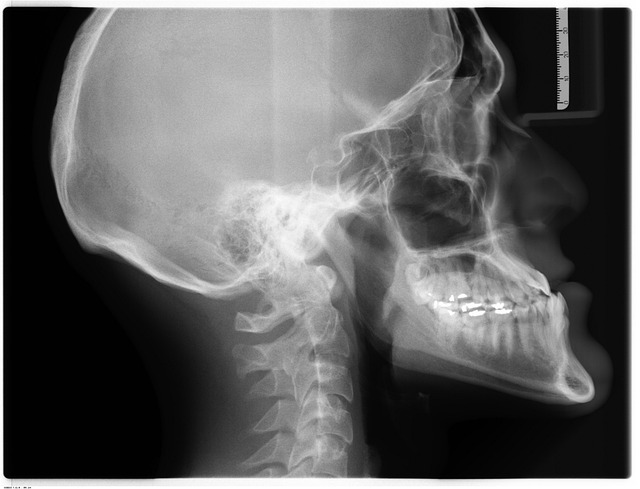
An x-ray of a head


Many medical specialists reside and practice in large cities where the need for their services is in the highest demand. Also, hospitals and research centers in larger populated areas provide more financial support for radiologists’ services and resources, which can increase their productivity and field of study.

Better Patient Care

Teleradiology has torn down social, economic, age-related, and physical barriers to a patient’s ability to receive the best diagnostic care in the shortest possible time. Hospitals near and far have been able to do this by supporting their patients in implementing teleradiology services.

A patient does not need to travel great distances at enormous expense for expert diagnostic opinions any longer. Plus, delayed diagnoses can be critical to a patient’s health and well-being. With teleradiological services, a patient can receive an expert opinion within a short period from their location.

Teleradiology has enhanced a hospital’s emergency care by accessing a cooperating radiologist’s 24-hour/7 days per week availability. Before the technology was available, emergency room staff would need to wake up radiologists at home and request their presence in the hospital. Then the report may not be available for several days.

ambulance
Teleradiology can greatly enhance emergency care services

Patients can obtain a second opinion for their diagnosis much easier now with teleradiology. A hospital can send records anywhere worldwide at a patient’s request.

It also does not matter the hospital’s social or economic environmental location because all hospitals with the internet have access to highly valued diagnosticians.

Cost Benefits of Teleradiology

One of the most obvious cost benefits of teleradiology services for a hospital is the reduction–and sometimes the elimination–of radiologists. Hospitals can use allotted financial budgets for hands-on patient care.

With the cost savings of reduced staff, the hospital can also invest more money into the equipment for MRIs, CT scans, ultrasound, and digital X-ray equipment. More quality equipment can enhance the teleradiology process with better diagnostic tools for radiologists.

When hospitals access teleradiology services, the services charge by the radiological exam. Each consult with a radiologist is a case-by-case situation–much less expensive than having a full-time employed radiologist.

Other Benefits to the Hospitals

All hospitals rely on medical professionals collaborating to provide the best diagnoses for their patients. With teleradiology, distance for this collaboration is not a factor. Specialists can affect patient care by providing input to local hospital staff for diagnosis and care planning.

For a hospital’s staff, collaboration becomes education. The learning possibilities for teleradiology are endless, and the hospital team is learning from the best to become the best.

Hospitals have benefited from teleradiology tremendously over the past few years. The technology for this service is advancing rapidly and will continue to change the business of patient care for hospitals worldwide.

hospitals

Radiology Services for Hospitals from Vesta

No matter your facility’s size or location, Vesta offers comprehensive teleradiology services to hospitals. Look to us for efficiency, accuracy and competitive pricing. Please reach out to us to learn more about how we integrate with your current workflow.


Ovarian Cancer: Encouraging Patients to Get Screened

It’s a topic not many people enjoy talking about, or even thinking about. Cancer, of any kind, is complicated, and ovarian cancer is, arguably, one of the most complicated and aggressive cancers there is. About 20% of women receive an early diagnosis, and of those detected early, 94% live longer than 5 years after their diagnosis, says the American Cancer Society. Encouraging patients to get screened for early detection, paying attention to the body’s signals, and regular exams are the biggest defenses we have against this deadly disease.


Ovarian cancer is difficult to detect, which is why it is paramount for patients to have regular pelvic exams. To help encourage patients to get the proper care for early detection, or with a new diagnosis, empower them with communication so they feel in charge, says Cancer Care. Suggesting the patient takes notes of the session will help, says the article, including dates, names, and discussion points. This will provide physical evidence of what went on during the appointment and a reference point for the possibly overwhelmed patient. Bringing a trusted friend or family member to the appointment can also ease the possible isolation or fear the patient may have. Another set of eyes and ears never hurts and the extra person may provide different questions and concerns the patient hadn’t thought of. Encouraging patients to write down questions or worries they may have before, during or after the appointment also gives the control back to the patient, says the article.


Persistent symptoms, even seemingly dismissible, should be examined. The fact is that ovarian cancer moves quickly, so before symptoms become worrisome, it’s important the patient knows her family history, says the American Cancer Society. If the patient has a strong family history of breast or ovarian cancer, has an inherited genetic syndrome, like Lynch syndrome, or a gene mutation such as BRCA, her high risk status must be presented and she must be heavily encouraged to get regular exams and to pay close attention to any changes within her body.


cancer awareness


The two most common screening tests for ovarian cancer are the transvaginal ultrasound (TVUS) and the CA-125 blood test, says American Cancer Society. The sound waves used during a TVUS detects abnormal shapes or measurements, says Healthline, and is about 75% effective, which is why you may order at CT scan, MRI, or a biopsy for further testing, says the article. The CA-125 blood test is not as reliable for ovarian cancer detection because high levels of the protein may not be an indicator of ovarian cancer, per se, but of inflammatory disease or endometriosis. Unfortunately, there aren’t many sure and simple tests to detect early ovarian cancer or recommend for your patient, says the CDC. Keeping your patients aware of these options may seem alarming, but they’ll know what to expect should the concern arise.


Telling your patients about genetic counseling is also a good option, says WebMd. For your high risk patients, genetic counseling will give them more concrete knowledge about their own bodies and family history. Should the patient’s test come back positive of a gene mutation, you will be aware of her risks and what to look out for during exams.


encourage your patients to get screened


Whether your patient is at high risk of ovarian cancer or not, urge them to consider regular exams and screening. There is research being done currently, says American Cancer Society, although the best and most proven way is through ultrasound and the CA-125 blood test. Reminding them you are always available if something in their body feels off, if they are in pain, or have been worried, is never a bad idea. Empower them to take charge of their health.

Teleradiology Interpretations for TVUS

Managing a healthcare practice means providing optimal care for your patients, and that includes providing the proper education and addressing patient concerns. We understand it is not always easy to balance running tests, interpretations and patient communication. That’s why Vesta has a team of US Board Certified radiologists who work with your team for preliminary and final interpretations – 24×7, nights, weekends and even holidays. Please contact us to learn more about our outsourced radiology services: 1-877-55-VESTA. 

Differences Between Preliminary and Final Radiology Interpretations  

A radiology report interprets images into words. The requesting physician who requests the radiology reports recommends treatment to their patient based on the findings a radiologist provides in these reports. A patient’s understanding of preliminary or final radiology interpretations is critical in treatment decisions.

An on-call radiology resident or technician may be issuing the preliminary radiology report at a hospital emergency room or an urgent care facility. A physician may need to act on the findings of this initial report before a final interpretation by the radiological physician overseeing the resident or technician.

Studies have shown a minimal discrepancy rate when physicians review the preliminary report with the final findings. A few factors, like the imaging technique and the technician’s experience level, account for most modifications in the final reports.

Why Have Preliminary Radiology Interpretation?

Hospital funding in rural areas and 24-hour urgent care facilities cannot always afford an on-staff radiology physician, and they rely on teleradiology interpretations. However, if a patient in pain arrives at the facility, the physician needs immediate information on how to proceed with the patient’s treatment.


preliminary reading
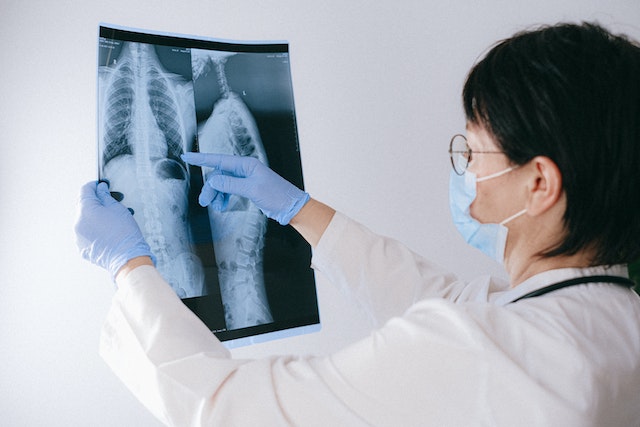
A radiologist examines an x-ray

An example may be if the patient complains about severe abdominal pain. The physician must rely on the technician’s preliminary report defining acute appendicitis and perform emergency surgery. Another example may be a possible stroke victim brought into the facility. The physician cannot wait for a final report to make a life-saving decision with the patients.

Radiologist Physician Expertise for a Final Report

Few people understand the extensive education and dedication a Radiologist Physician undergoes during their career. They graduate from medical school, complete their internships and residency requirements, and interpret thousands of exams under supervision. These are just a few of the provisions of licensing.

The extensive requirements of completing a radiologist physician program limit the number of physicians available for final radiology interpretations.

With the advancement of technology in the field, teleradiology has broadened the possibility of more accessible and punctual final reads from radiologists. In most cases, it can make the need for preliminary reporting almost obsolete.

Besides an emergency, another exception may be for very complicated cases where second reads of the imagery may be pertinent to a diagnosis or treatment plan. In these cases, it is most beneficial to have a preliminary report, a second read, then a final report issued before making any decisions.

The primary goal of physicians is to make a difference in the lives of their patients, and they can do this by having timely, accurate, and well-defined information. Continuing improvement of the technical aspects of the radiology field will allow the radiologist to expeditiously provide final radiology interpretations and assist in improving patient management.


final interpretation
Teleradiology offers hospitals and healthcare facilities an efficient way of completing interpretations

US Board Certified Teleradiologists from Vesta

At Vesta Teleradiology, our US Board Certified Radiologists can assist your facility with both preliminary and final interpretations, including subspecialty solutions like: nuclear medicine, body imaging, gastrointestinal/genitourinary diagnoses, cardiac angiography and thoracic radiology.


Benefits of Teleradiology Services for Urgent Care Facilities

Urgent care facility service use has increased substantially in recent years. Urgent care services’ popularity has provided conveniences and cost reductions of medical care needs.

When a patient enters an urgent care facility, the treating provider determines if radiology services will aid in the diagnosis and treatment plan for the patient. A medical assistant or radiology technician will then use the equipment to produce the radiological images.  

Once the technician creates the radiological images, the treating provider will view and diagnose or send the images to an expert at the teleradiology service contracted with the facility.

Broken bones are not the only reason an urgent care patient may access care at a convenient, local care medical facility. Patients arrive at the facilities for possible strokes, abdominal obstructions, complex pediatric ailments, and other health conditions. Expert radiological assessments can be crucial in practical and immediate treatment.

When a patient who needs radiology services accesses an urgent care facility, fast and professional analysis is essential for effective treatment. 

Teleradiology services have fit in nicely with the goals and objectives of the urgent care facilities for various reasons. Not all patients accessing urgent care need radiology services. Although the service can be life-saving if required, the low rate of use does not warrant the staffing of a full-time radiologist at each facility.

Contracting radiology services for these facilities allows a full-time expert to be available at all times, and these cost savings of a full-time employee are significant.

Teleradiology services allow a physician to access experts anywhere in the country. The pool of providers is not only available at any time, but a radiology expert’s conclusive reports can be sent securely and quickly. 

radiology company
A radiologist reviews an x-ray

If the treating physician has questions about any findings, the radiology expert is easy to reach. This convenience is also possible if the patient or physician requests a second opinion on the results.

With the convenience of radiological expertise availability, urgent care providers can also reduce their professional liability. Providers creating treatment plans for various injuries and symptoms can benefit an urgent care facility contracted with a teleradiological service. Many teleradiology service companies provide a resource for physician consultation. 

Choosing a Teleradiology Company for Your Hospital

Contracting with a teleradiology service can reduce liability for the urgent care facility while increasing and maintaining an excellent public reputation.

The medical care profession has changed drastically over the years, and so have the healthcare consumers. Consumers expect better service, insurance companies expect more conservative costs, and treating physicians need fast results with less liability.

Teleradiology fits nicely into the niche of urgent care facilities because it fits all the criteria of a rapidly changing medical system structure. Teleradiology can be a crucial component for a clinic to provide an ideal service of expert care at an exceptional value.

Teleradiology: Best Providers

Vesta has been providing expert radiology services for over 15 years. We use state of the art technology to streamline your workflow and provide stat readings whenever required. Whether you operate an urgent care center or a private practice our US Board Certified Radiologists are here to help you literally 24×7, even on weekends and nights.


teleradiology services
Teleradiologists review an x-ray


Please contact us for a custom proposal and a complimentary overview of our services and technology.

5 Tips for Women’s Wellness Healthcare Facilities

The fitness and wellness industry has become one of the biggest markets in the world. If you are the owner of a women’s health or wellness center, there is great potential for growth in this $3.4 trillion industry. This competitive industry is constantly creating new approaches to attract patients. If you are searching for new ideas to enhance your wellness center and the care for your patients, here are 5 tips for increasing patient flow.

  1. Offer educational workshops and speakers. Being able to have a cup of coffee and listen to an informed speaker on a subject of interest can bring in more patients. Those who want to help themselves or improve their life will like this approach. Stress-free opportunities to listen and learn about money management, cooking, gardening, yoga, fashion, or more could entice women with enjoying a nonthreatening space to absorb information. These could be mini-breakout sessions of an upcoming wellness conference which may interest participants to attend.
  2. Bundle services. Having one facility that offers multiple services is attractive. Women are busy. Their time is valuable. If there was an opportunity to make one stop to take care of a mammogram, pedicure, and haircut (for example) many women would like this option. In addition, having a nonjudgmental environment to talk to a therapist on a variety of topics such as mental health issues, menopause, and sexual health could bring in more patients.
  3. Act as a safehouse. Employing experienced professionals who have the awareness and abilities to support women in crisis is needed in every city in the world. Doctors, psychologists, and lawyers on site who are in place to readily protect and prevent violence against women and their children will attract patients. Partnering with local authorities may bring wellness center funding opportunities.
  4. Incorporate wellness retreats. Offering purposeful, affordable, well designed retreats for specific groups allows wellness opportunities beyond the wellness center facility. Programs organized with the intentional components of mental, emotional, physical, and social can provide transformational experiences for patients. These deep connections can be life changing and create interest in future retreats.
     
  5. Outsource your radiology imaging needs to a reliable teleradiology service. With this service, a patient can have her mammogram, ultrasound, or other imaging service performed, screened, and sent digitally to all parties involved. The image and its information is compressed and encrypted and stored in a database server accessed by the radiologist, provider, transcriber, and other workers across geographically diverse facilities. The final report is automatically sent to the doctor and the original facility. This saves time and allows you to focus more on attracting new patients.
ultrasound
An ultrasound underway

Vesta Teleradiology has been assisting Women’s Wellness centers, hospitals, mobile imaging, assisted living and other diagnostic imaging centers for nearly 15 years. It’s not just our speedy service and accurate readings from US Board Certified radiologists, it’s our ability to help you customize the service to tailor it to your facility and patients. Look to Vesta if you want accuracy, speed, affordability, support and customization.

Press Release COVID19

Vesta Teleradiology to Remain Open and Waive Setup Costs to Serve Clinics

Highlighting Benefits of Telemedicine Practices.

Vesta through its Teleradiology and Telemedicine departments is working with partners 24×7 to help them handle issues during the COVID-19 crisis.

Vesta Teleradiology has announced today that, despite the recent events related to the novel coronavirus (COVID-19), operations will continue to move forward as usual, allowing valuable clients, their physicians and patients, access to much-needed support during this time of uncertainty and healthcare need. Vesta is partnering with healthcare providers, hospitals, communities and their partners nationwide to ensure respective radiology needs are being managed thoroughly and efficiently. Vesta’s radiology services are provided by remote, state licensed radiologists, reducing on-site staffing needs while mitigating risks for facilities and staff.

Vesta’s operations have been reorganized to provide a safe working environment for all employees while providing uninterrupted support 24×7 to Vesta’s valuable clients. To help imaging facilities during the current crisis, Vesta announced today that it is waiving setup costs for teleradiology, even for temporary backup coverage.

Vesta’s Locums department is working with clients to help with temporary coverage of onsite physicians as well as Technologists. In addition to teleradiology services, Vesta through its Telemedicine department currently provides coverage in Cardiology, Neurology, ICU, Psychiatry, Dermatology, Pulmonology and Allergy specialties.


teleradiology-service
Vesta is a highly rated teleradiology service provider.

About Vesta Teleradiology

Vesta brings teleradiology solutions and services, providing 24x7x365 access to highly qualified board-certified radiologists through a secure PACS. Vesta, a top 10 telemedicine company in the United States, offers comprehensive and affordable radiology and other telemedicine solutions for its partners. Vesta has been a pioneer in supportive diagnostic workflow technology and quality diagnostic services, steadfast in its passion to remain at the forefront of innovation in healthcare. Prospective clients are offered a free test drive of Vesta’s teleradiology service. For more information, please visit http://www.vestarad.com..